Medical Fraud: How to Spot Patient vs. Provider Red Flags
Medical fraud generally falls into two camps: patient fraud and provider fraud. While both can be costly, provider fraud tends to have a far larger dollar and scale impact.
By Carla Rodriguez | May 1, 2026 | 3 min. read
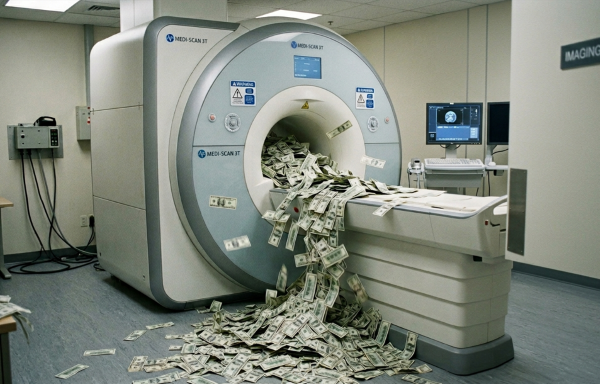
Medical fraud starts small, maybe a therapy session that never actually happened, then one line item turns into a dozen.
Multiply that by thousands of providers, across millions of claims, and suddenly, you’ve got a problem that’s draining the system of tens of billions of dollars every year. Medical fraud doesn’t just impact insurance companies. It drives up premiums, clogs the system, and leaves honest patients and providers picking up the slack.
So how do you spot it before it spirals?
In this post, we’re pulling back the curtain on the most common fraud schemes, the red flags you shouldn’t ignore, and the 2026 tools your team can start using today.
How Big Is This Problem?
Let’s start with some context, because the scale of this problem is staggering:
Workers’ compensation fraud costs insurers between $35 billion and $44 billion every single year, according to a 2025 study by Conning – not a typo. And it’s trending upward.
A 2021 analysis of over four million workers’ compensation claims found that nearly 23% of providers were flagged for some level of fraud, waste, or abuse activity. Nearly one in four. The ripple effects are real: higher premiums, compromised care for injured workers, and a system affected by bad actors who’ve gotten very good at hiding in plain sight.
What Is Medical Fraud?
Medical fraud generally falls into two camps: patient fraud and provider fraud. While both carry real costs, provider fraud tends to have a far larger dollar and scale impact. Let’s break each one down.
Patient Fraud
Patient fraud is less common than provider fraud, but it’s still a headache for adjusters and case managers. It usually involves exaggerating or faking symptoms, identity swapping, or participating in staged accidents.
Common tactics include:
-
Malingering — Patients pretend injuries are worse or last longer than they actually are.
-
Impersonation — Using someone else’s identity to receive care.
-
Doctor Shopping — Visiting multiple providers to obtain redundant or unnecessary prescriptions.
Provider Fraud
Healthcare providers hold a unique position of trust and authority; unfortunately, some exploit that for profit. These schemes tend to be more sophisticated, more coordinated, and far more expensive.
Common examples include:
-
Billing for services never rendered
-
Upcoding aka charging for a more expensive service than was actually performed
-
Performing medically unnecessary procedures
-
Kickback and referral schemes
The MRI Fraud Problem: A Special Mention
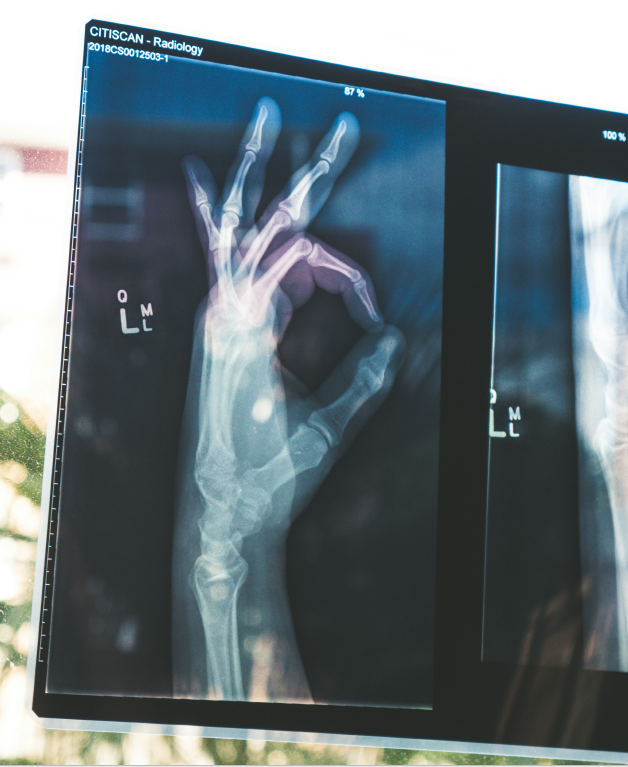
Radiology deserves it’s own special mention – specifically, MRI billing. It’s a hotbed of deception, and we see it constantly.
Here are the schemes to watch for:
-
Farming Out — Providers who don’t own MRI machines send patients elsewhere, pay a small fee, then bill the insurer thousands as if they provided the service themselves.
-
3D Padding — Providers bill for high-cost 3D MRI scans while only performing standard 2D imaging.
-
Services Not Rendered — Plain and simple: an MRI is billed but never actually performed.
-
Medically Unnecessary Imaging — Ordering MRIs just to increase billables, sometimes scanning unrelated body parts with zero clinical justification.
This last one is especially tricky because it hides behind the appearance of legitimate medical decision-making. That’s what makes clinical oversight and bill review essential.
Medical Fraud: Red Flags to Watch For
Whether it’s a patient or a provider pulling the strings, the warning signs are often hiding in the details.
Patient Fraud Red Flags
-
Vague or inconsistent descriptions of injuries
-
Delayed reporting with no reasonable explanation
-
Extensive treatment history with minimal documented improvement
-
Multiple claims filed in a short time period
-
Frequent provider changes throughout treatment
Provider Fraud Red Flags
-
Unusually high billing patterns for specific procedures — especially diagnostics like MRIs
-
Identical or templated medical reports across multiple patients
-
Treatment plans that don’t align with injury severity
-
Use of unlicensed personnel for billable services
-
Charges for services on holidays or weekends when facilities are confirmed closed
If you’re seeing several of these in a single claim, that’s not a coincidence. That’s a pattern.
Real-World Examples of Provider and Patient Fraud
The Phantom Clinic Ring
A provider network in California billed insurers for millions in treatments that never happened. Investigators found empty clinics, fabricated patient records, and billing spikes tied to non-existent patient signatures. The scheme unraveled when data analysis caught what human eyes had missed.
The Snowboarding “Disabled” Patient
A claimant filed for permanent disability following a back injury. Three months later, social media showed him snowboarding. Claim denied. It’s a classic case of surveillance and social monitoring doing exactly what they’re designed to do.
What’s New in 2026
AI and machine learning technologies are now central tools in fraud detection, enabling insurers to process massive amounts of claims data to uncover anomalies and suspicious patterns. These systems help identify potential fraud early in the claims process using predictive modeling and risk scoring. This means investigators can prioritize the claims most likely to be problematic, rather than manually sorting through thousands of files.
AI systems can flag suspicious behavior when a provider routinely bills for the same procedure across unrelated claims, or when a claimant shows inconsistent medical history across jurisdictions. These are exactly the patterns that might slip through manual review. The most promising application may well be fraud detection — by analyzing patterns in temporary procedure codes, investigators have discovered billions being billed through specific providers, insights that would have previously required extensive, time-consuming technical work.
The bottom line? Medical fraud is sophisticated, it’s expensive, and it’s not going away. But neither are the professionals working to stop it. Know what you’re looking for. Trust the patterns. And when something feels off dig deeper.
Want to put expert eyes on your most complex claims? Contact our Investigations Department today.