Social Media Investigations and Surveillance in Summer
Summer creates the perfect environment for both social media investigations and field surveillance. As travel increases and people spend more time outdoors, claimants often generate a larger digital footprint through vacations, fitness apps, events, and public activities. This blog explores how claims professionals can use seasonal behavior patterns, geotagged content, and coordinated surveillance strategies to uncover inconsistencies between reported injuries and real-world activity. It also breaks down why combining social media review with field surveillance creates stronger, more defensible investigations during the most behaviorally transparent time of year.
By Caroline Caranante | May 13, 2026 | 3 min. read
What you will find below:
- Why Summer Travel and Outdoor Activity Create More Opportunities for Social Media Investigations and Surveillance
- How Location Data, Fitness Apps, and Public Posts Can Help Uncover Inconsistencies
- Why Combining Digital Investigations with Surveillance Leads to Stronger Evidence
- Best Practices for Collecting, Preserving, and Coordinating Investigative Evidence that Holds Up Under Scrutiny
Every summer, millions of Americans pack their bags, head outdoors, and document nearly every moment of it online. For claims professionals, this seasonal shift in behavior creates a uniquely productive window, one that involves both social media investigations and field surveillance.
Summer Travel Volume Creates More Observable Activity
On June 23, 2024, the TSA screened nearly 2.99 million individuals in a single day €” a record at the time €” according to an official TSA press release. That record was later broken on July 7, 2024, when 3,013,413 travelers passed through checkpoints nationwide. Eight of the ten busiest screening days in TSA history occurred that same summer.
According to Deloitte’s 2025 Summer Travel, 53% of Americans planned to travel and stay in paid lodging that summer, up from 48% in 2024.
More people traveling in public spaces means more observable activity. From an investigative standpoint, that matters on two levels: first, it generates more publicly visible social media content; second, it places claimants in open, accessible environments where field surveillance can be conducted lawfully and effectively.
A claimant alleging a debilitating back or knee injury who spends the weekend hauling luggage through an airport or boating with family may not only be posting potential social media evidence; they may also be observable. Summer activities can often reveal inconsistencies between reported limitations and actual behavior.
Why Social Media Investigations Accelerate in Summer
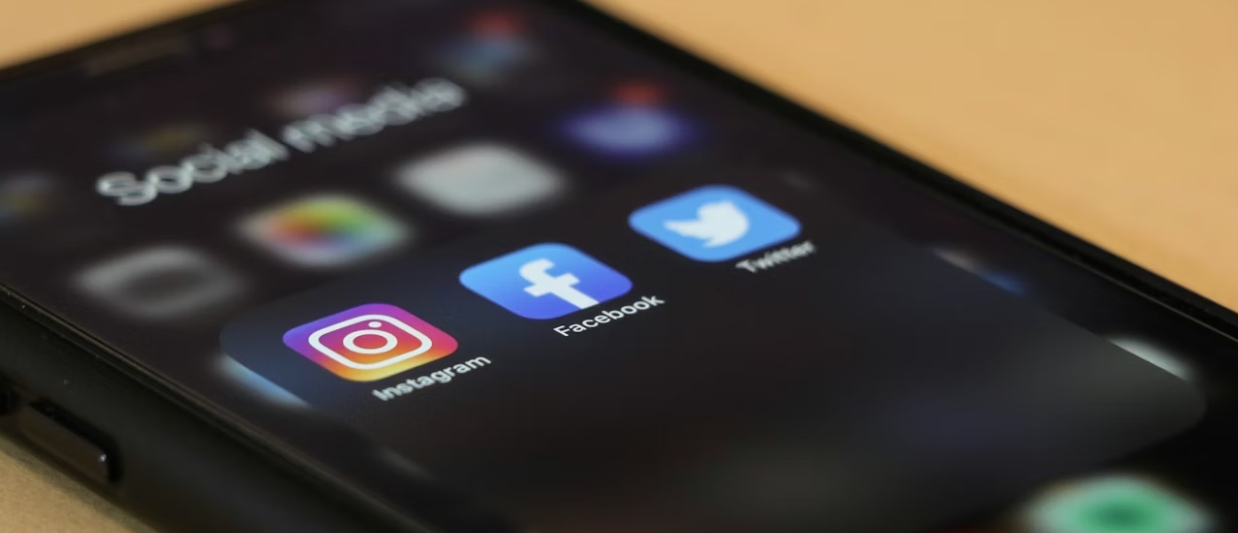
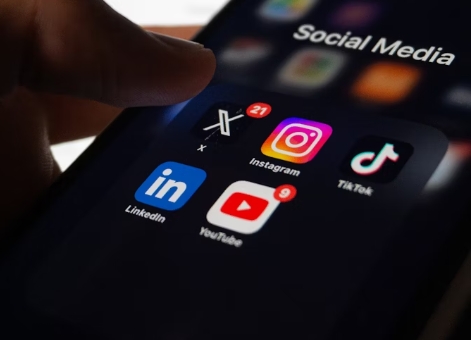
According to Pew Research Center’s 2025 social media report, 84% of Americans use YouTube, 71% use Facebook, and 50% use Instagram. About half of U.S. adults visit Facebook or YouTube on a daily basis.
These aren’t passive audiences. These are people who document their lives. And summer gives them significantly more to post about.
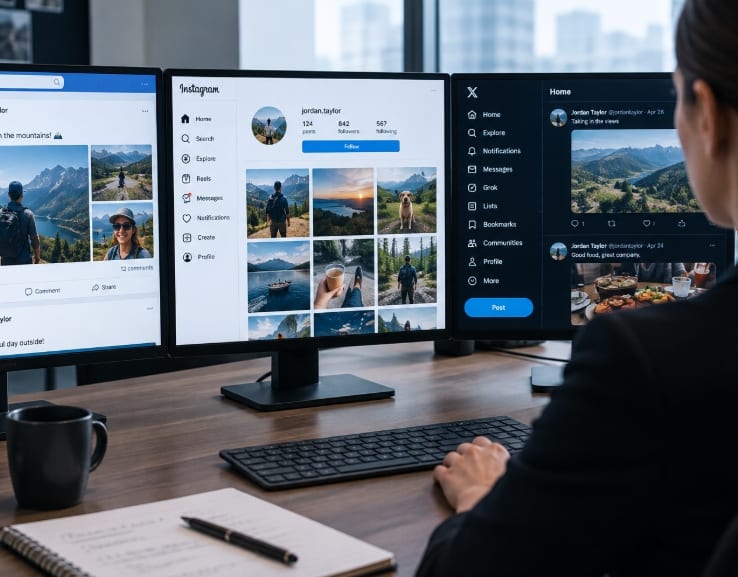
Vacations, outdoor activities, travel milestones, backyard barbecues, beach trips, and weekend adventures are exactly the kind of content that drives high engagement and public sharing. A claimant who maintains a minimal digital footprint during the workweek may suddenly check into restaurants, tag locations at a beach, or post photos and videos of physical activities that directly contradict statements made in a legal or insurance claim.
Location Data in Social Media Investigations
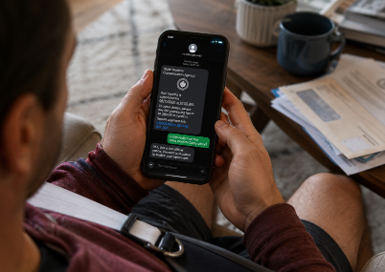
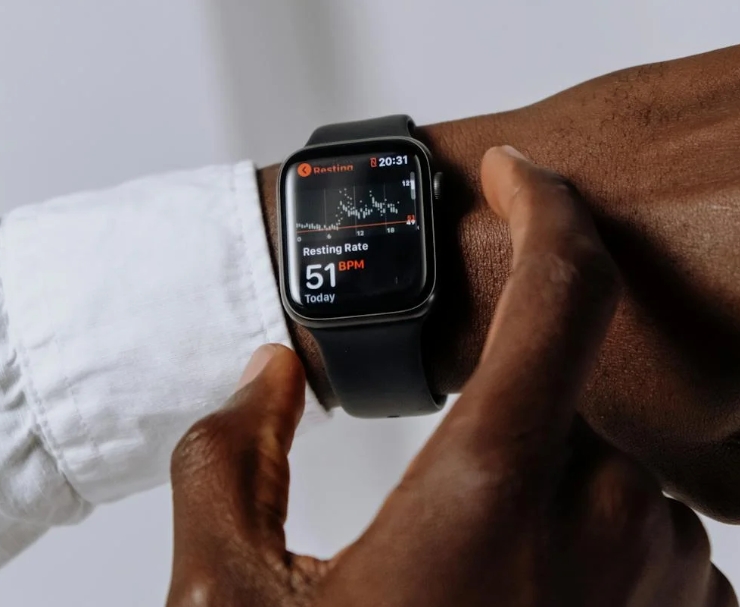
Geotagged posts, location check-ins, and tagged photos from friends and family can paint a precise, timestamped picture of where a person was and what they were doing. This is particularly true in summer, when fitness apps, outdoor activity platforms, and travel-sharing tools see their heaviest use.
Example:
In the UK, a cyclist pursued a significant settlement after claiming severe knee injuries from an accident. Investigators later uncovered publicly visible activity logs on the fitness tracking app Strava showing he had completed a 10-mile run and a 100-kilometer bike ride in the weeks after the incident. On the same day as his independent medical exam, his account also recorded a 20-kilometer bicycle ride. The court ultimately ordered him to pay the insurer’s legal fees.
Field Surveillance and the Summer Advantage
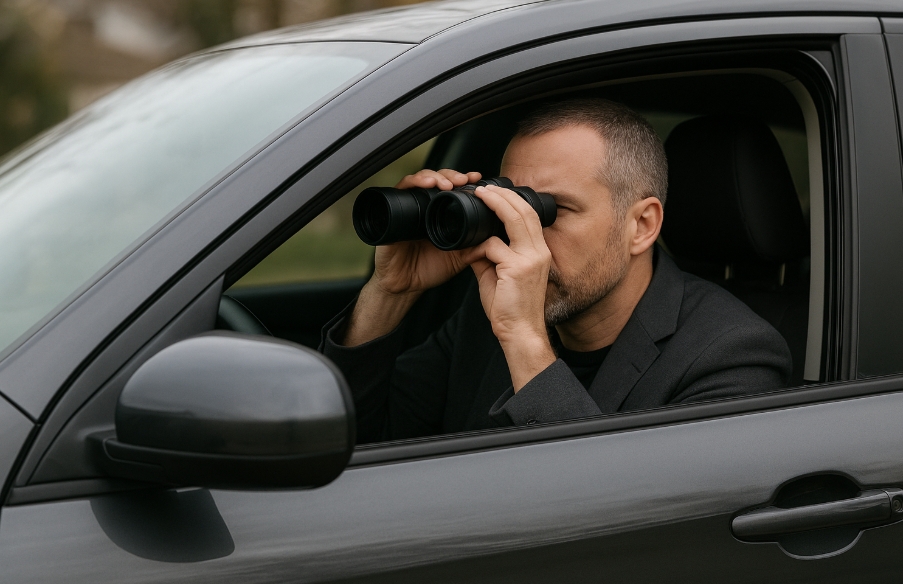
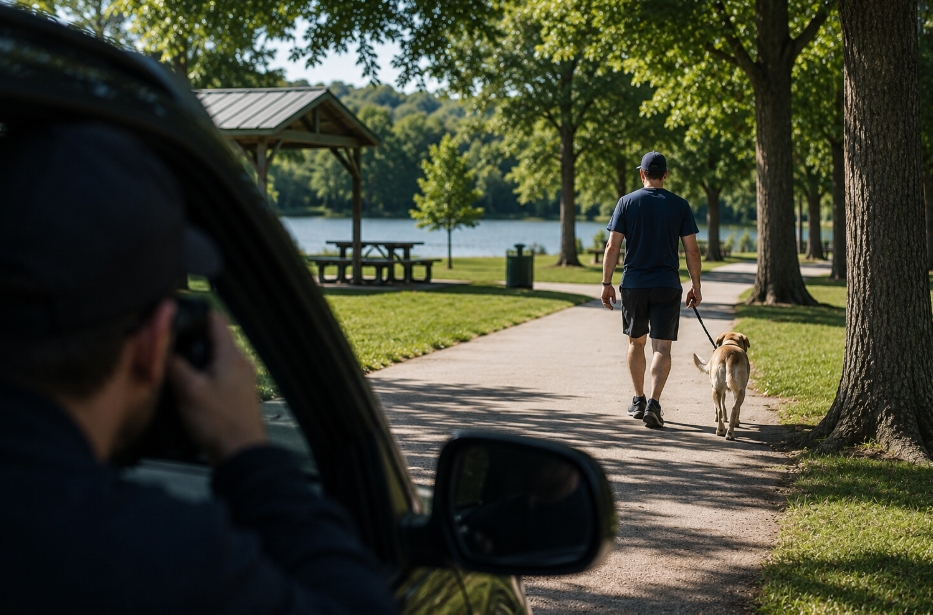
The same conditions that make summer a productive season for social media investigation make it equally effective for field surveillance. When temperatures rise and routines shift, claimants spend more time outdoors, and that visibility works in the investigator’s favor.
Claims professionals increasingly initiate surveillance during warmer months precisely because outdoor activity increases the likelihood of capturing claimant behavior that contradicts reported limitations. As temperatures rise, people are more likely to engage in outdoor activities, making them more visible to investigators monitoring public spaces.
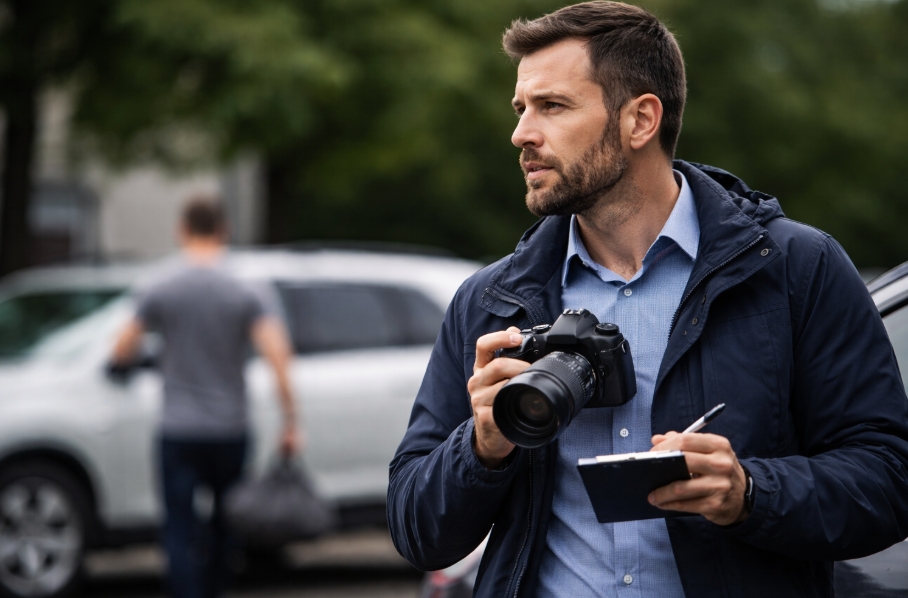
Think about what summer looks like for most people: lawn work, home improvement projects, youth sports, fishing and boating, hiking, and family gatherings. All of these activities take place in observable, public or semi-public environments. A claimant alleging chronic back pain who is captured on video reroofing a shed, loading a boat trailer, or playing recreational volleyball has effectively made the investigator’s job straightforward.
Field surveillance in summer also benefits from longer daylight hours, more activity in accessible public spaces, and the natural tendency of people to let their guard down in social and recreational settings. The investigative window each day is simply longer and more productive.
When Social Media Investigations and Surveillance Work Together
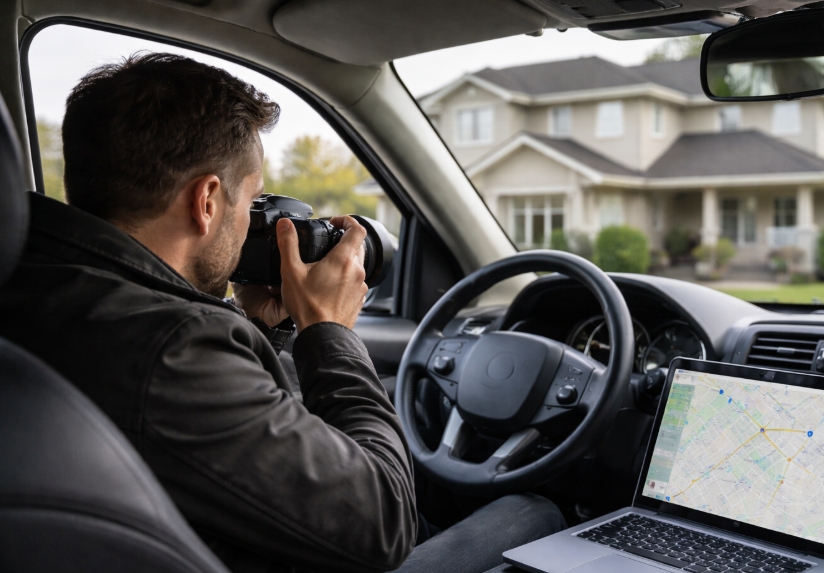
The strongest claims investigations treat social media investigation and surveillance as complementary tools that feed each other.
A review of a claimant’s social media accounts can reveal patterns, such as check-ins at a marina, tagged photos from a camping trip, or a Strava route, that give field investigators a roadmap for where to be and when. Conversely, surveillance activity can surface leads for deeper digital review: if a subject is observed at a particular venue or event, that location can be searched on social platforms for additional corroborating content.
This integrated approach is particularly powerful in summer, when both data streams are running at peak volume. Claims professionals who coordinate between digital review teams and field investigators during these months tend to build more complete evidentiary pictures than those who rely on one channel alone.
What Investigators Should Keep in Mind
Summer creates more signal, but volume only matters if the evidence holds up.
The fundamentals don’t change with the season. Social media investigations must stay within publicly available information; field surveillance stays within public observation. Accessing private accounts through deception or conducting surveillance on private property crosses a legal line. How evidence is collected matters as much as what it shows, and courts have made that clear.
On the digital side, preserving posts, photos, and activity logs with the original metadata intact is critical. Basic screenshots can be disputed, but properly documented, time-stamped, and platform-verified captures are far more difficult to challenge. The same chain-of-custody discipline applies to surveillance footage.
Casting a wide net across platforms also pays off in summer specifically, when fitness apps, travel tools, and location-sharing features see their heaviest use. Looking across platforms like Strava, Venmo, TikTok, and Reddit can reveal behavioral patterns and activity that may be missed when relying on a single app or platform alone in social media investigations.
Field surveillance benefits from the same strategic thinking. Claimant homes are a starting point, not the whole picture. Locations surfaced through social media review €” marinas, trailheads, sports venues, event check-ins €” often yield far more productive observations. Timing matters too. Surveillance aligned with IMEs, claim reviews, or settlement windows tends to be most productive. Additionally, summer holidays, long weekends, and local events often lead to increased activity, making them valuable timeframes to plan around.
Summer is the most behaviorally transparent time of year. People travel, go outside, and share it all. The claims professionals who build a corroborated pattern across both surveillance and social media investigations, rather than resting on a single image or clip, are the ones who build cases that hold.
Memorial Day weekend marks the start of peak summer activity€”making it an ideal time to strengthen investigations. We offer both social media investigations and surveillance to help build a complete, coordinated view of claimant activity. Connect with our team today.
Check out our sources:
Coalition Against Insurance Fraud and Colorado State University Global White Collar Crime Research Task Force. The Impact of Insurance Fraud on the U.S. Economy. Coalition Against Insurance Fraud, Aug. 2022, insurancefraud.org/wp-content/uploads/The-Impact-of-Insurance-Fraud-on-the-U.S.-Economy-Report-2022-8.26.2022.pdf.
Daher, Michael, et al. “Right-Sized American Summer: 2025 Deloitte Summer Travel Survey.” Deloitte Insights, Deloitte, 2025, www.deloitte.com/us/en/insights/industry/transportation/2025-summer-leisure-travel-trends.html.
Goldberg, Barbara. “NY Police Officer Who Sang with Metal Band Pleads Guilty to Disability Fraud.” Reuters, 22 Apr. 2014, au.news.yahoo.com/ny-police-officer-who-sang-with-metal-band-pleads-guilty-to-disability-fraud-22863888.html.
Insurance Information Institute. “Facts + Statistics: Insurance Fraud.” III.org, Insurance Information Institute, www.iii.org/fact-statistic/facts-and-statistics-insurance-fraud. Accessed 8 May 2026.
“NY Cop in Band Faked Injury.” Claims Journal, 28 Mar. 2013, www.claimsjournal.com/news/east/2013/03/28/225850.htm. Originally reported by CBS News New York.
Pew Research Center. “Americans’ Social Media Use 2025.” Pew Research Center: Internet, Science & Tech, 20 Nov. 2025, www.pewresearch.org/internet/2025/11/20/americans-social-media-use-2025/.
“Social Media Investigations in Insurance Claims: Uncovering Digital Evidence.” Claims Bureau USA, claimsbureau.com/social-media-investigations-in-insurance-claims-uncovering-digital-evidence/.
Transportation Security Administration. “TSA Breaks Record for Most Individuals Screened on a Single Day, Readies for Record-Breaking Independence Day Weekend Travel Volumes.” TSA.gov, U.S. Department of Homeland Security, 24 June 2024, www.tsa.gov/news/press/releases/2024/06/24/tsa-breaks-record-most-individuals-screened-single-day-readies.
Watt, Cameron. “Proper Use of Social Media Evidence in Litigation.” CLM Magazine, CLM, www.theclm.org/Magazine/articles/proper-use-of-social-media-evidence-in-litigation/647.