10 Things Every Claims Professional Needs to Know This Hurricane Season
A below-normal forecast doesn't mean a below-normal risk. Here's what adjusters, SIU teams, and claims leaders need to have locked down before the next named storm forms.
By Carla Rodriguez | Aug 13, 2026 | 3 min. read
A below-normal forecast doesn’t mean a below-normal risk. Here’s what adjusters, SIU teams, and claims leaders need to have locked down before the next named storm forms.
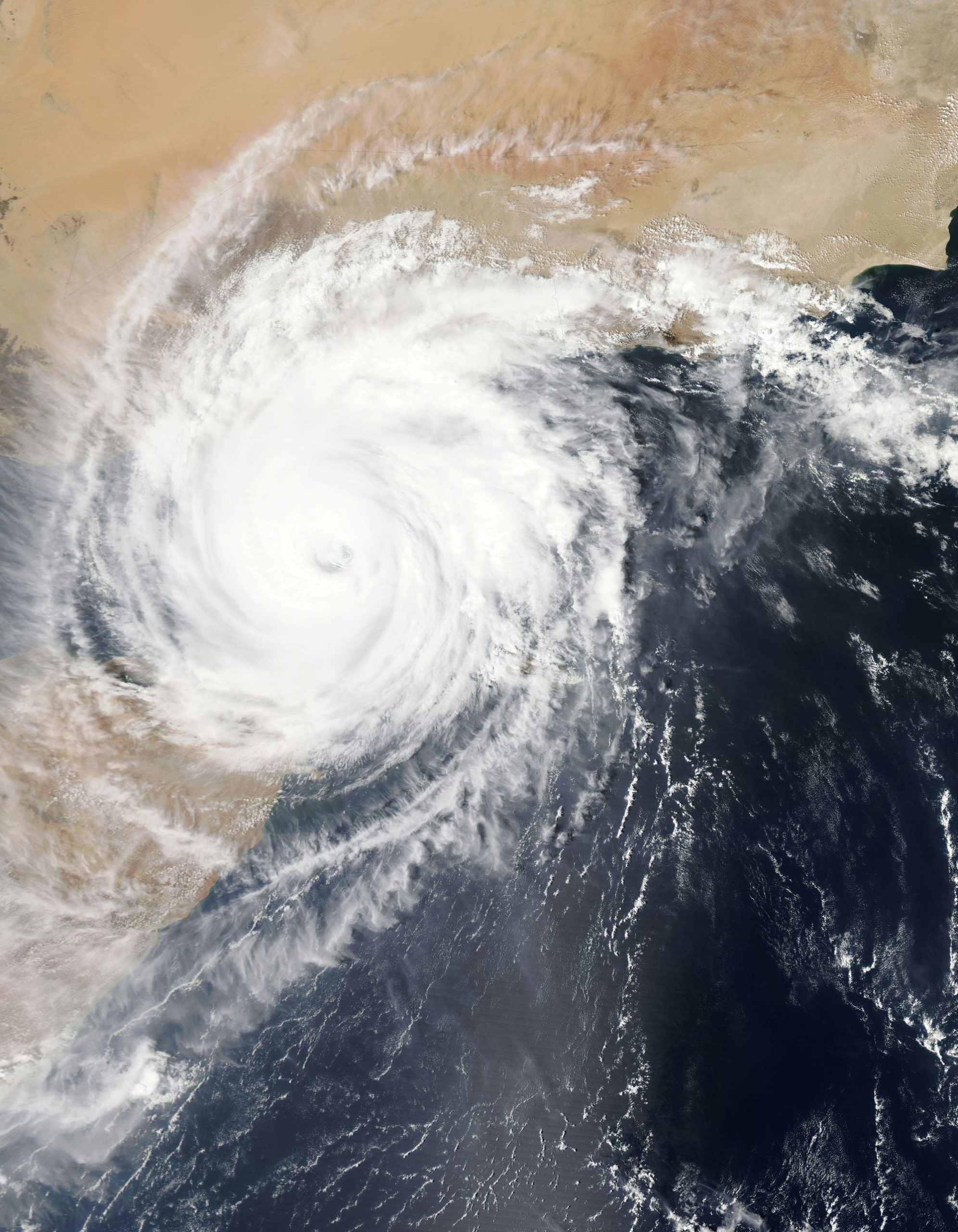
Last year is a good example of why seasonal forecasts only tell part of the story. In 2025, Hurricane Melissa reached Category 5 strength and caused significant loss of life in Jamaica — yet not a single hurricane made landfall on the continental U.S. that year (the first time that’s happened in a decade.)
Meanwhile, NOAA’s outlook for 2026 is calling for a below-normal Atlantic season: 8 to 14 named storms, 3 to 6 hurricanes, and 1 to 3 major hurricanes, with a developing El Niño pattern expected to keep overall activity down.
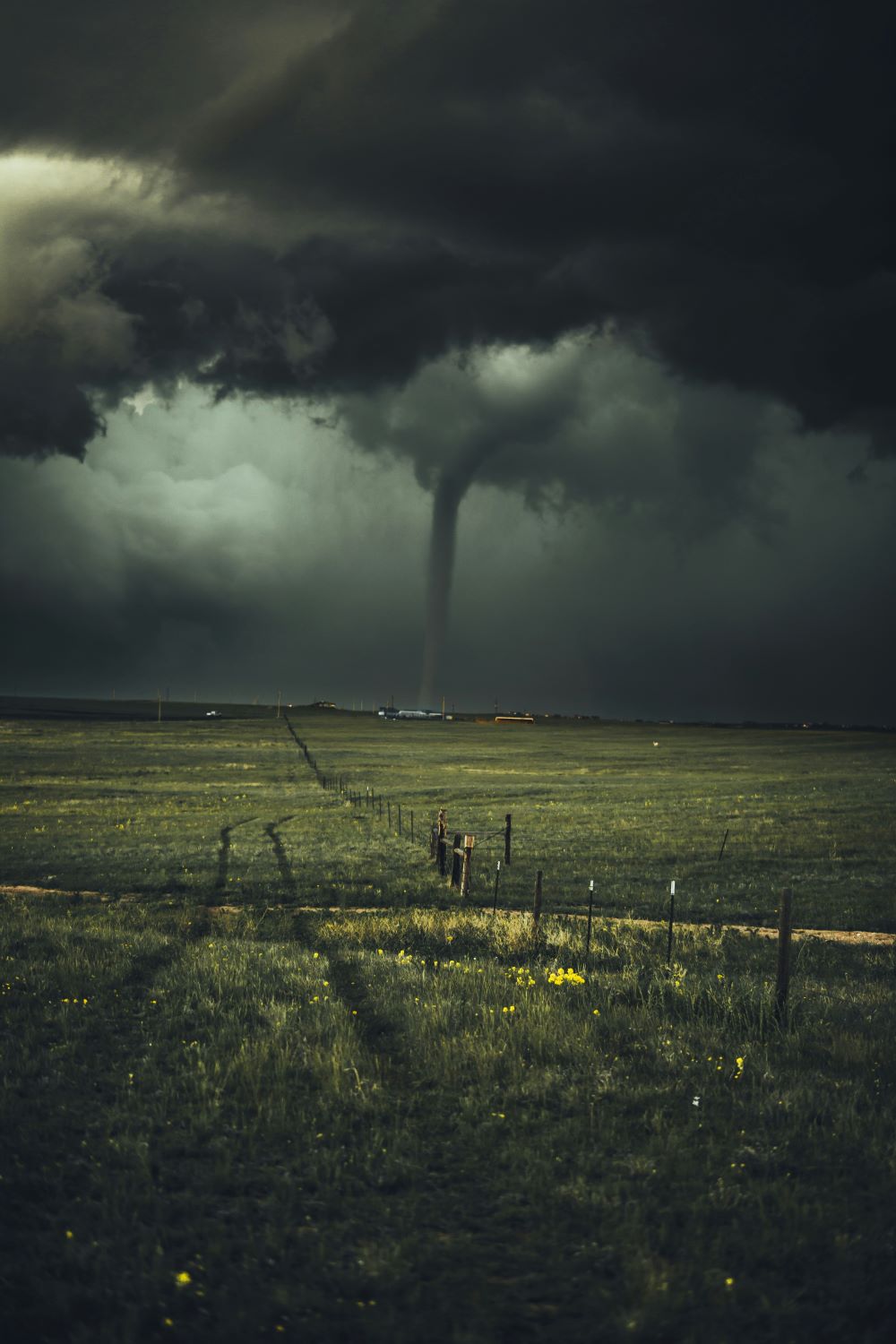
A below-normal season still produces hurricanes, and it only takes one landfall in a populated area to create a major loss event for the carriers and claims teams covering that region. So even in a quieter year, the fundamentals of preparation don’t change. Here’s what your team can have in place before the next storm:
1. A Quiet Forecast Is Not Risk Free
- 55% chance of below-normal, 35% near-normal, 10% above-normal — but NOAA’s outlook isn’t a landfall forecast
- The 2025 season had four rapid-intensification hurricanes and still produced a Category 5 landfall
- Staffing and surge plans should be built around worst-case landfall probability, not seasonal averages
2. Rapid Intensification Has Compressed the Response Window
- Nearly a quarter of Atlantic tropical cyclones that rapidly intensified since 1980 did so at extreme rates — gaining 58+ mph in 24 hours
- Storms are increasingly reaching landfall strength with less lead time than legacy CAT plans assume
- FNOL protocols built for a five-day watch window need a 48-hour contingency built in
3. FNOL Volume Spikes Faster Than Staffing Can Follow
- First Notice of Loss volume after a major landfall event can outpace call-center capacity within hours, not days
- Pre-storm triage rules — separate total loss, habitability, and minor damage claims before adjusters ever pick up the file — determine whether week one is chaos or control
- Mobile-first FNOL intake reduces the backlog that fuels both delay complaints and fraud opportunity
4. Assignment of Benefits Activity Follows the Storm Path
- AOB solicitation spikes in the 72 hours after landfall, often before homeowners have filed a claim
- Contractors and public adjusters canvassing damaged neighborhoods are not doing anything illegal, but the paperwork they’re collecting can complicate coverage determinations for your adjusters
- Claims teams that flag AOB documents at intake, rather than discovering them mid-investigation, keep more leverage over the file
5. Public Adjusters Will Be Working the Same Streets You Are
- Storm season is peak season for public adjuster outreach, and their estimates will frequently diverge from carrier scoping
- Adjusters who document scope decisions clearly and early — with photos, measurements, and a rationale — hold up better against PA disputes than those who rely on verbal explanations
- This isn’t adversarial by default. Most PA involvement resolves through documentation, not litigation
6. Fraud Rings Move Faster Than Ever After Landfall
- SIU referral volume climbs sharply in the weeks following major hurricanes, driven by staged damage, inflated contractor invoicing, and duplicate claims across policies
- Pattern-matching is a great use of AI. It can spot nuanced details across a surge of claims such as same contractor, same damage language, same repair estimate down to the dollar
7. AI in Triage Is There to Clear the Backlog
- Triage tools can route straightforward claims to fast-track settlement and flag complex or suspicious files for human review — freeing you to spend your expertise where it’s actually needed
- No automation replaces the judgment call on a borderline coverage question, a contested scope, or a fraud referral. That’s still the job
8. Workers’ Compensation Exposure Doesn’t End When the Storm Does
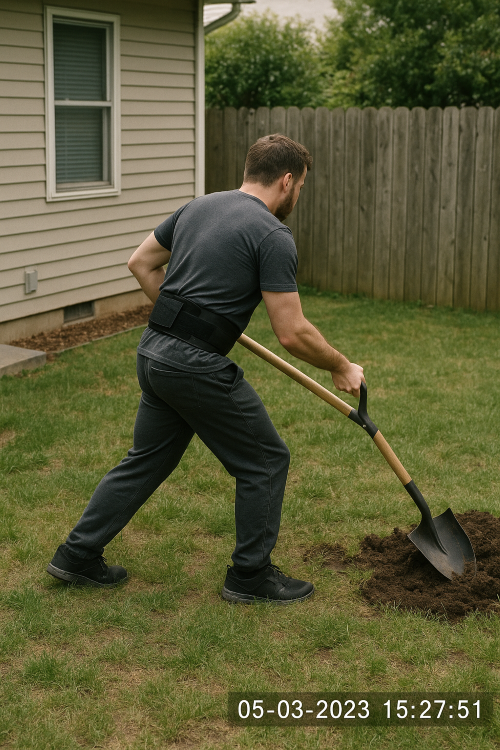
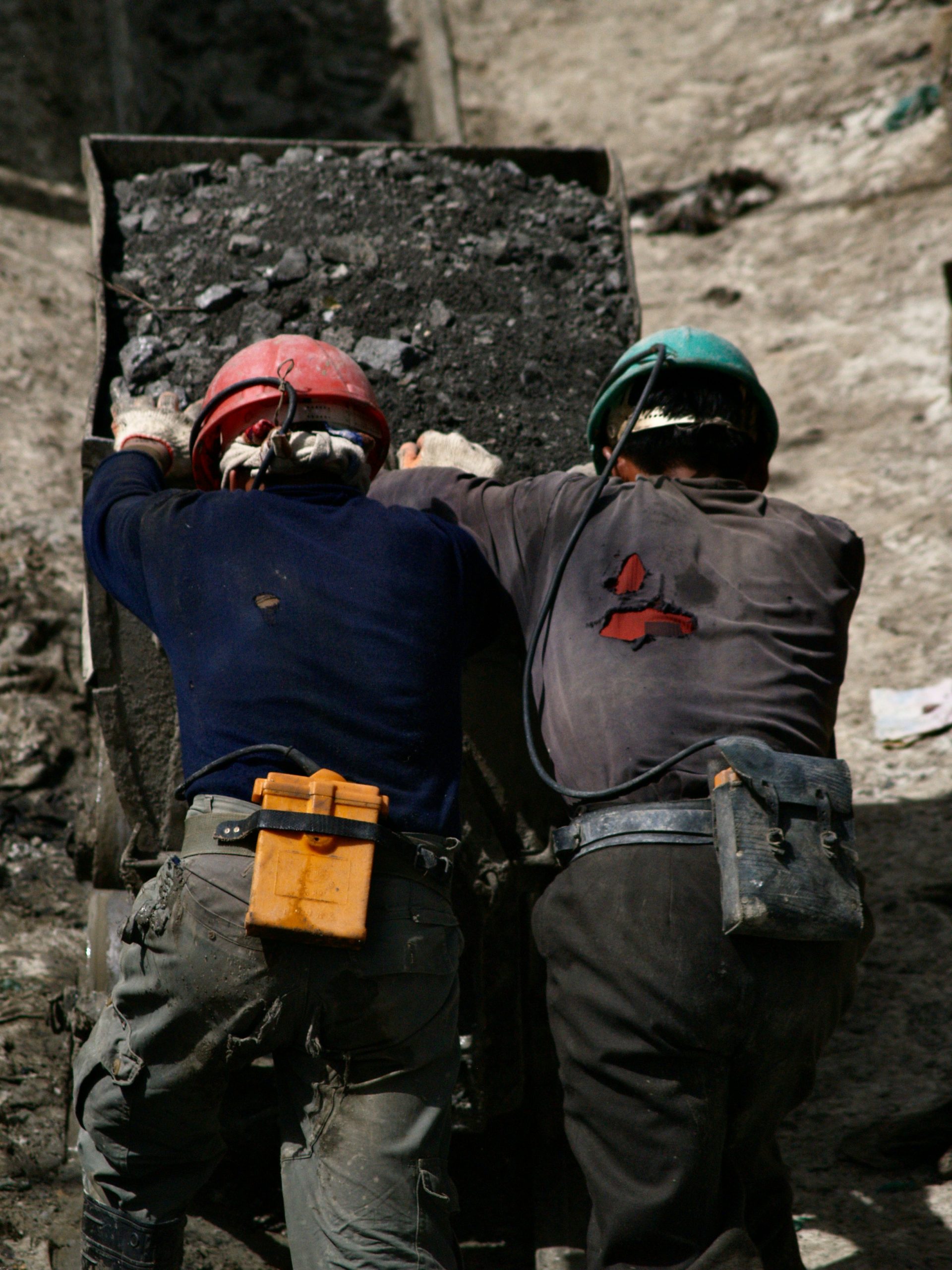
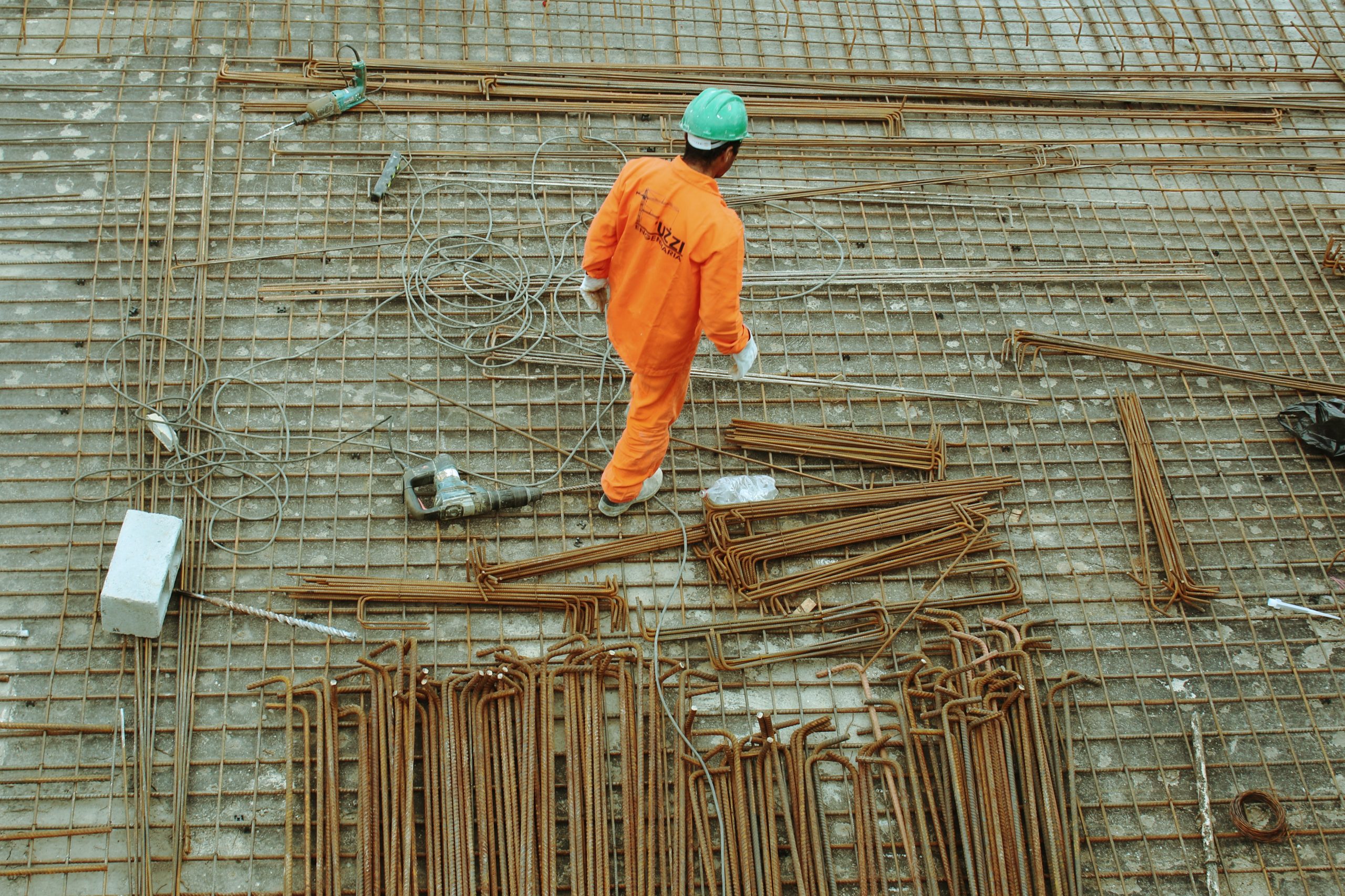
- Cleanup, debris removal, and rebuilding work carry some of the highest injury rates of any post-disaster labor category
- Displaced workers, temporary labor, and out-of-state contractors complicate jurisdiction and coverage questions that don’t come up in a normal claims year
- Early medical case management coordination on storm-related workers’ comp claims shortens recovery timelines and controls costs before they compound
9. Documentation Standards Get Tested, Not Just Followed
- Time-stamped, geotagged photo and video evidence collected at first inspection is the single strongest defense against both underpayment complaints and fraud
- Mobile inspection tools that sync directly to the claim file eliminate the gap between what you saw in the field and what’s actually in the record
- The claims that get reopened or litigated are disproportionately the ones where documentation was thin at intake
10. The Post-Season Review Is Where the Real Lessons Live
- SIU teams that run a structured fraud sweep after the season closes catch patterns that individual adjusters, working file by file in real time, miss
- Claims data from a hurricane season is a training set for the next one — which contractors triggered red flags, which zip codes saw abnormal claim density, which AOB patterns repeated
- Teams that treat the off-season as a review cycle walk into next June better prepared than teams that treat it as downtime
Hurricane season comes full of unwanted surprises but it rewards carriers who are overprepared and know what they’re looking for before the wind picks up. The forecast says it’s quiet — plan like it isn’t.