What is a Jury Pool Investigation and Why Does it Matter?
Jury pool investigations give legal teams additional insight into potential jurors before jury selection begins. By using publicly available records and open-source research, investigators can identify information that may help attorneys prepare for voir dire and uncover potential biases or conflicts of interest. In high-exposure litigation, this added context can help reduce uncertainty and support a more informed trial strategy. This blog explains how jury pool investigations work, what information is reviewed, and when they provide the greatest value.
By Caroline Caranante | Jul 7, 2026 | 3 min. read
What you will find below:
- What a Jury Pool Investigation is and How it Supports Trial Preparation
- Types of Public Records and Information Investigators Review
- Legal and Ethical Considerations
- When Jury Pool Investigations Provide the Greatest Value in Litigation
When a case is heading toward trial, every piece of preparation matters, including understanding who may end up serving on the jury. A jury pool investigation is a practical way to reduce uncertainty before jury selection begins.
What is a Jury Pool Investigation?
A jury pool investigation is the process of researching individuals on a jury summons list before trial using publicly available records and open-source information. The goal isn’t to hand-pick a favorable jury, as that isn’t allowed. Instead, it gives trial counsel a clearer picture of the people they’ll be questioning during jury selection.
Jury selection starts when courts pull names from voter registration rolls and driver’s license records to create a representative cross-section of the community. From there, a smaller group is called for a specific trial, and attorneys question those individuals during voir dire, the jury selection process where prospective jurors are asked questions to determine whether they can fairly and impartially hear the case. Jury pool investigations take place during the short window between the release of that list and the start of questioning.
Because voir dire is often limited, jurors don’t always disclose everything that’s relevant. Sometimes it’s because they don’t remember, sometimes they’re uncomfortable sharing, and sometimes they simply don’t realize the information matters. Jury pool investigations help fill in those gaps by giving attorneys additional context before questioning begins. That information can help shape follow-up questions, identify panelists who may need closer review, and support decisions about which jurors to challenge or excuse.
Jury Pool Investigation vs. Traditional Background Investigation
Traditional background investigations are usually focused on one individual and take a deep dive into that person’s history. Depending on the assignment, they may even involve interviews or direct contact.
Jury pool investigations are different. They’re broad rather than deep, covering dozens of potential jurors at once and relying entirely on public records and open-source research. They also happen on a much tighter timeline€”sometimes just hours instead of weeks. There are no interviews and no contact with prospective jurors, either directly or indirectly.
What Information is Gathered?
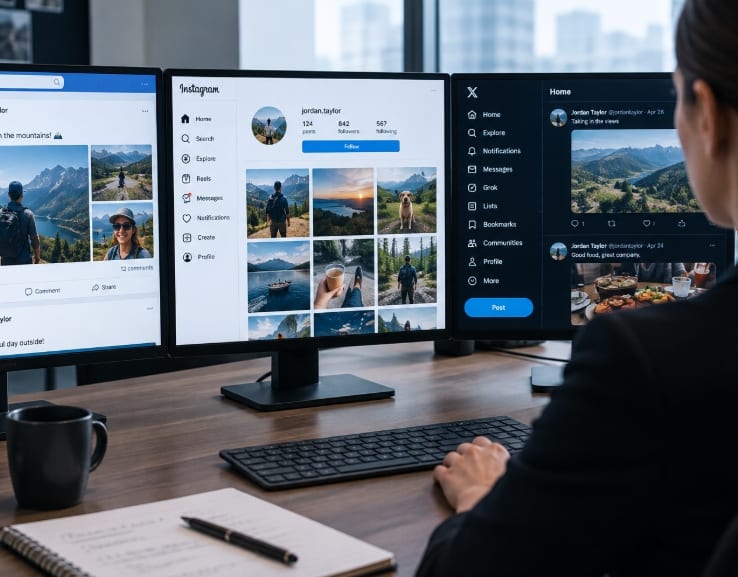
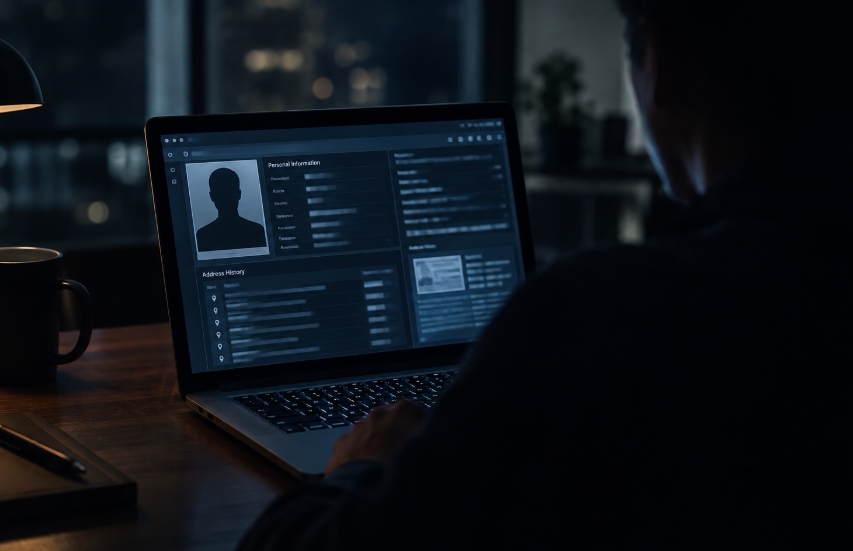
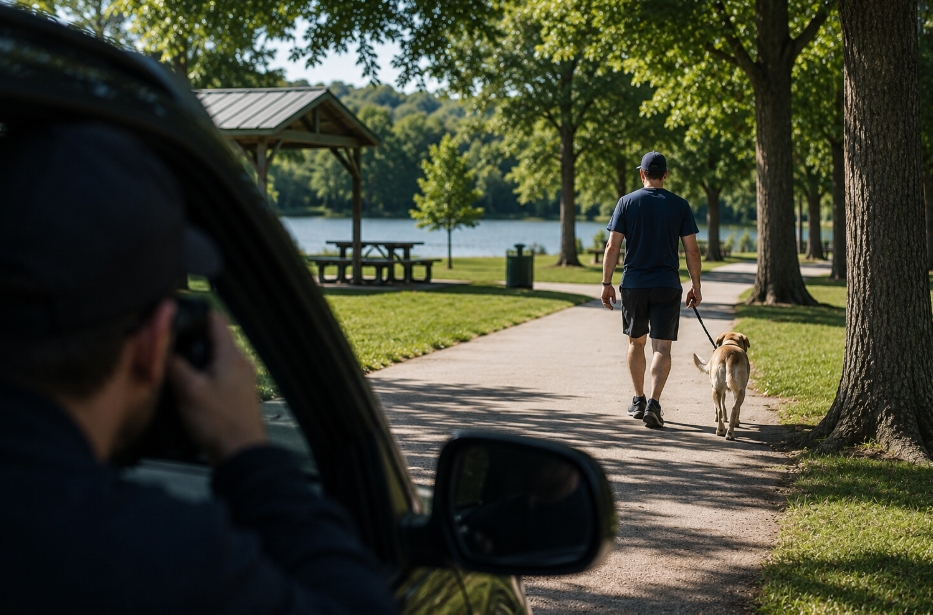
Jury pool investigations rely on a variety of publicly available sources, including court records, property records, business filings, professional licenses, news coverage, and publicly visible social media activity. These are many of the same public records and OSINT sources investigators regularly use to gather background information, with the focus narrowed to identifying details that may be relevant during jury selection.
Today’s public records databases and research tools make it possible to review dozens of potential jurors much faster than was possible even a decade ago. That said, technology doesn’t replace experience. Investigators still need to verify the information they find and determine what’s actually relevant to the case.
Speed is also critical. Jury lists are often released only a day or two before jury selection€”and sometimes even the same day. That leaves very little time to research an entire panel, verify the findings, and organize the information into something attorneys can quickly use during voir dire.
Legal and Ethical Considerations
Jury pool investigations come with clear legal and ethical boundaries. Attorneys can review information that prospective jurors have made publicly available, including public social media profiles and other online activity. However, they cannot contact jurors or attempt to access private information, such as by sending a friend request.
It’s also important to remember that the rules aren’t interpreted the same way in every jurisdiction. While the American Bar Association generally permits passive viewing of public information, some courts and bar associations have taken a more restrictive approach. Before conducting jury pool research, legal teams should always confirm the rules that apply in their jurisdiction.
If an attorney discovers evidence of criminal or fraudulent juror misconduct during a public records review, they may also have an obligation to notify the court.
Identifying Bias, Conflicts, and Undisclosed Relationships
Within those legal and ethical limits, open-source research can uncover information that’s relevant to the case. That may include public statements about litigation or insurance companies, involvement in similar lawsuits as a party or witness, or professional and business relationships with a party, attorney, or law firm involved in the case.
For example, a prospective juror may have a prior claim involving the same insurance carrier that’s handling the current case, or they may have a professional relationship with someone connected to the litigation that never appeared on a juror questionnaire.
The purpose isn’t to build a favorable jury. Instead, this information helps attorneys know where to ask additional questions during voir dire or, when appropriate, support a request to remove a juror because of a legitimate conflict.
When a Jury Pool Investigation Provide the Greatest Value
Not every case requires this level of preparation. Jury pool investigations tend to provide the greatest value in high-exposure litigation, catastrophic injury claims, wrongful death claims, complex commercial disputes, and other cases where a large verdict is a realistic possibility.
Jury pool investigations won’t win a case on their own, and they aren’t a replacement for effective voir dire. But they do give legal teams more information before jury selection begins, helping reduce uncertainty and allowing attorneys to walk into the courtroom with a clearer understanding of the people who may ultimately decide the outcome of the case.
Looking for investigations that help uncover the full picture? We provide comprehensive investigative solutions that give claims and legal teams the information they need to make confident decisions. Connect with our team to learn more.
Check out our sources:
American Bar Association. Formal Opinion 466: Lawyer Reviewing Jurors’ Internet Presence. ABA Standing Committee on Ethics and Professional Responsibility, 24 Apr. 2014, www.americanbar.org/news/abanews/aba-news-archives/2014/04/aba_issues_guidance/.
Cornell Law School, Legal Information Institute. “Jury Selection.” Wex, www.law.cornell.edu/wex/jury_selection.
Cornell Law School, Legal Information Institute. “Voir Dire.” Wex, www.law.cornell.edu/wex/voir_dire.
United States Courts. “Juror Selection Process.” U.S. Courts, www.uscourts.gov/court-programs/jury-service/juror-selection-process.