How AI is Transforming Auto Accident Investigations
Artificial intelligence is changing the way auto accident investigations are conducted. While fraudsters are using AI to create convincing fake evidence, investigators are using the same technology to detect fraud, analyze evidence, and streamline the claims process. This blog explores how AI is transforming investigations, where it provides the greatest value, and why experienced investigators remain essential.
By Caroline Caranante | Jul 17, 2026 | 3 min. read
What you will find below:
- How AI Generated Images are Creating Fraud Risks in Auto Claims
- How Investigators are Using AI to Analyze Evidence and Streamline Investigations
- Why Experienced Investigators Remain Essential Alongside Technology
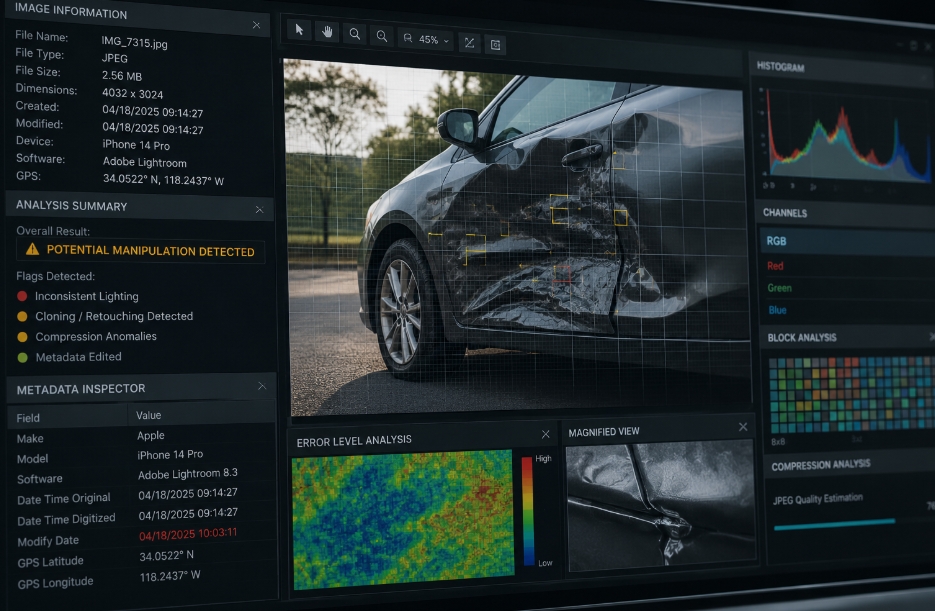
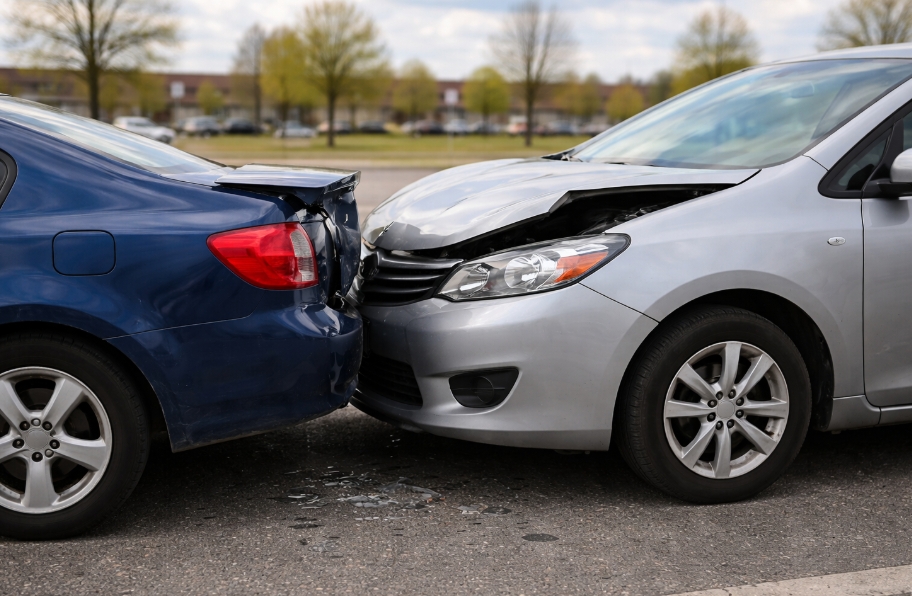
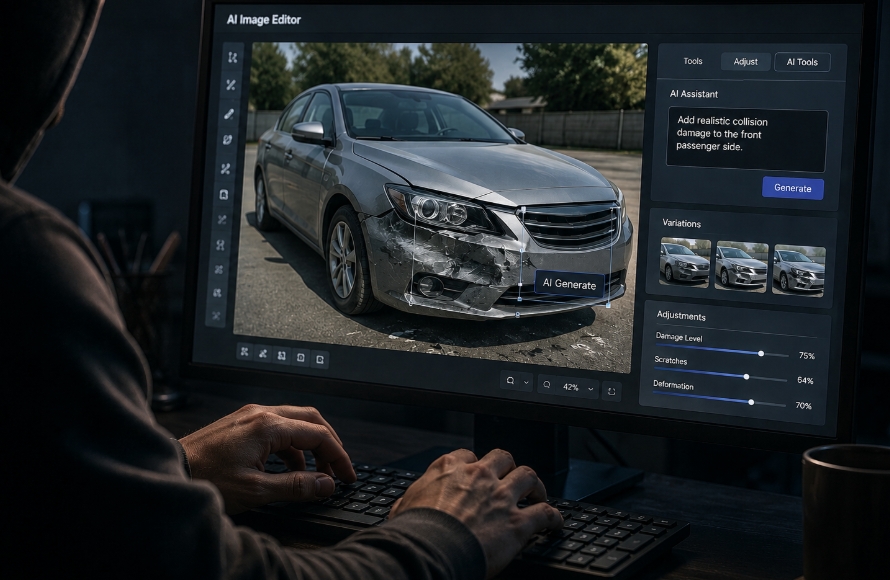
Did you know that people mistake AI-generated photos for real ones 37% of the time? Fraudsters are already taking advantage of that fact in auto accident claims. A real photo of an undamaged vehicle can now be edited to add realistic crash damage, or an entire accident scene can be generated from a simple text prompt.
Artificial intelligence is changing auto accident investigations from both sides. While fraudsters are using AI to create more convincing fake evidence, investigators are using the same technology to detect fraud faster, review evidence more efficiently, and make better-informed decisions.
The Emerging Threat of AI in Auto Accident Investigations
Generative AI has turned photo fabrication into a low-skill, low-cost tactic. A few of the tactics already showing up in claims:
- Fabricating an entire crash scene: A text prompt alone can generate a fully synthetic, photorealistic collision photo with no real vehicle, road, or accident behind it.
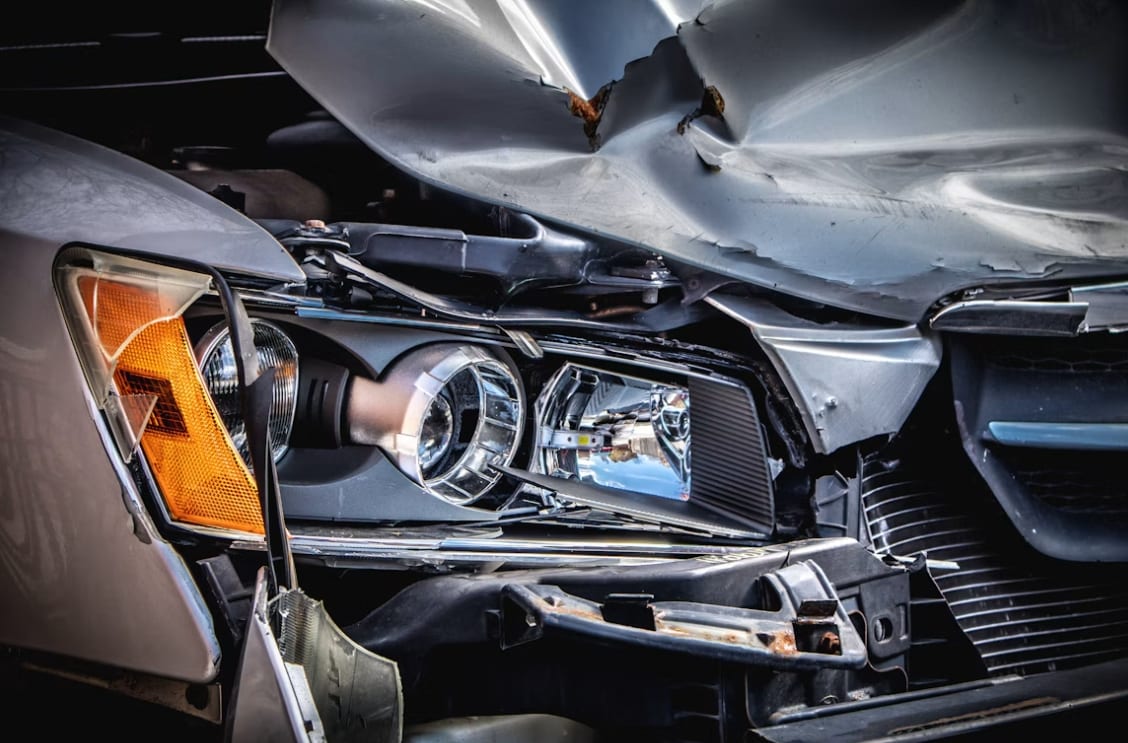
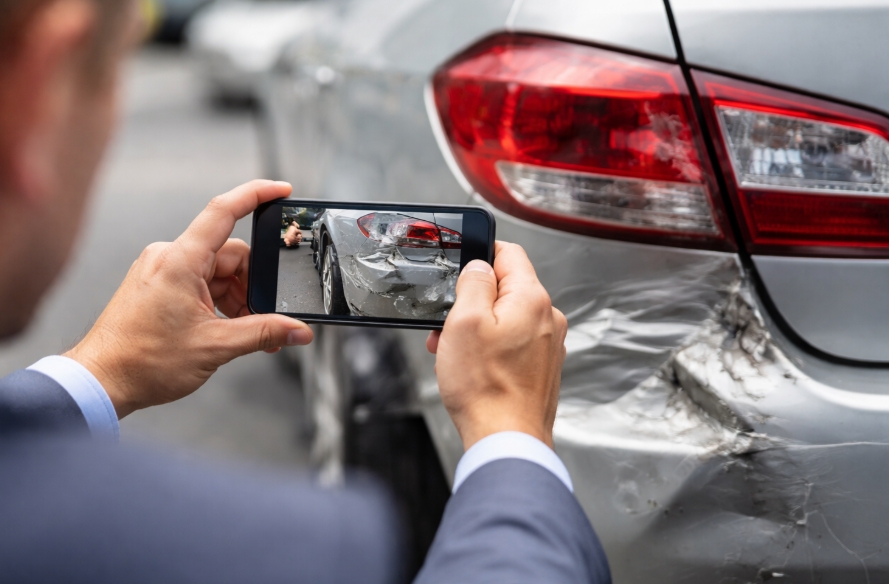
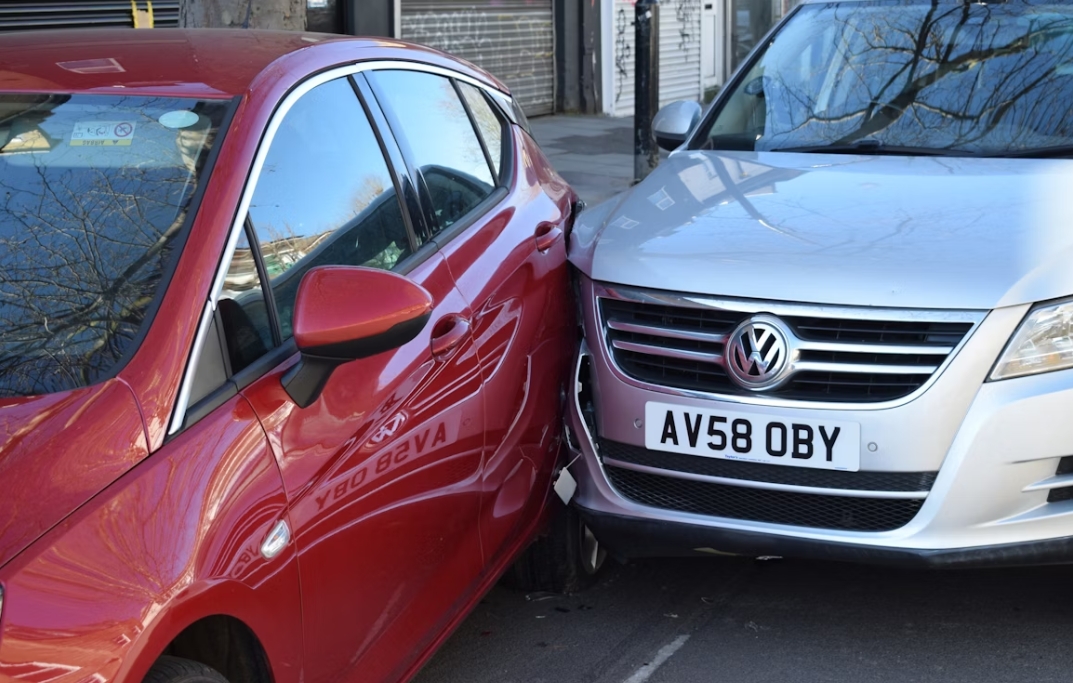
- Exaggerating real damage: A real photo of a vehicle can be digitally altered to add damage that never happened, such as a cracked windshield, while other details like bystanders and license plates are edited out or altered to make the image harder to trace.
- Recycling old or unrelated photos: Fraudsters have used a genuine photo of an undamaged vehicle, sometimes lifted straight from the owner’s own social media, and added fake damage to it.
The industry is not yet fully prepared for this shift. A survey by the Association of Certified Fraud Examiners and SAS found that only 7% of anti-fraud professionals felt their organization was more than moderately prepared to detect AI-driven fraud. That gap is exactly why AI-powered detection, not just a trained human eye, is becoming necessary for reviewing claims photos.
How AI is Used in Auto Accident Investigations
Photo and Video Analysis
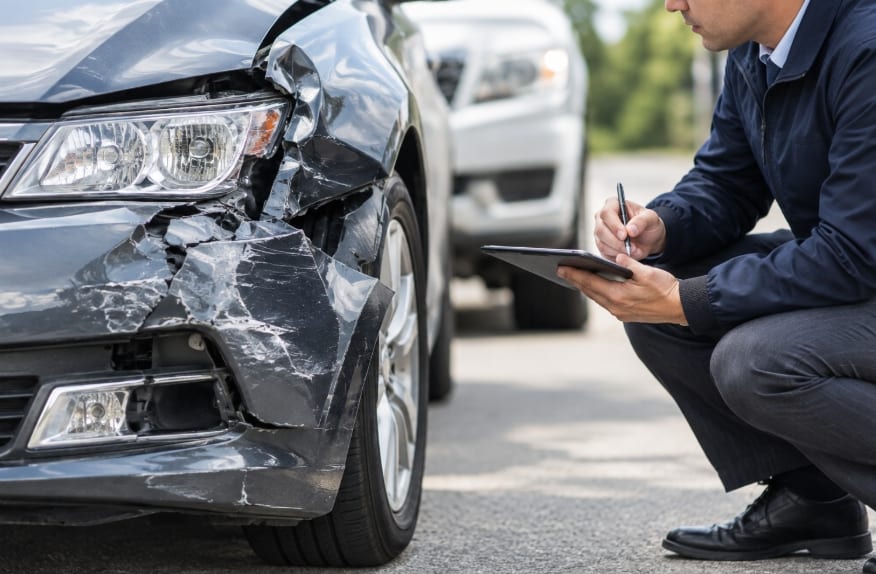
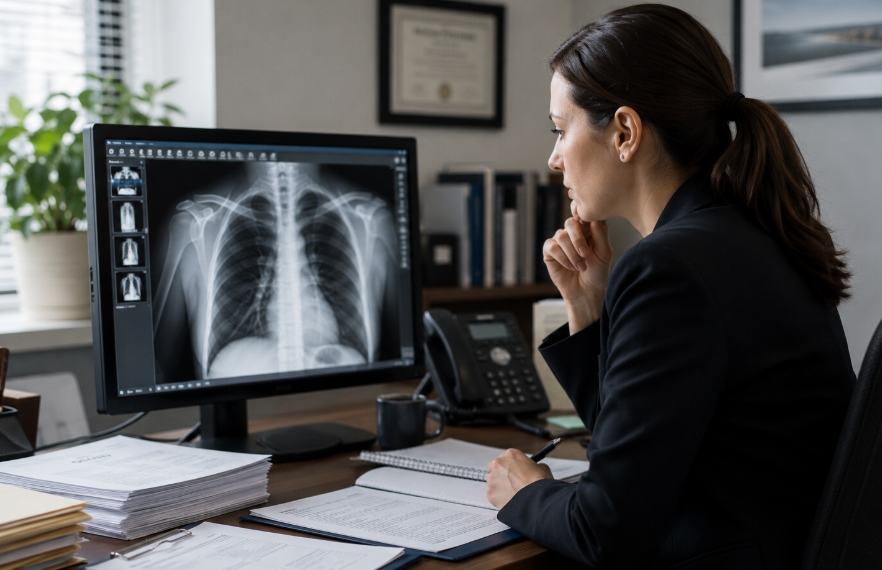
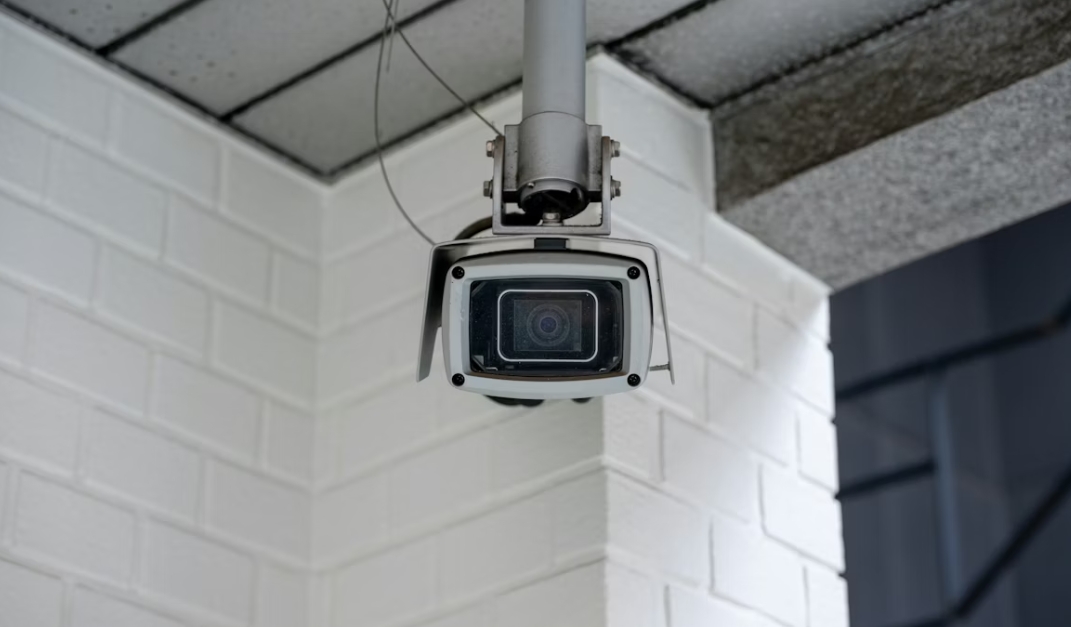
AI can quickly review damage photos, dash cam footage, and surveillance video to identify damaged vehicle components and estimate the severity of an accident. Many insurers are beginning to use AI and predictive models to support claims decisions alongside traditional review processes.
Telematics, EDR Data, and Accident Reconstruction
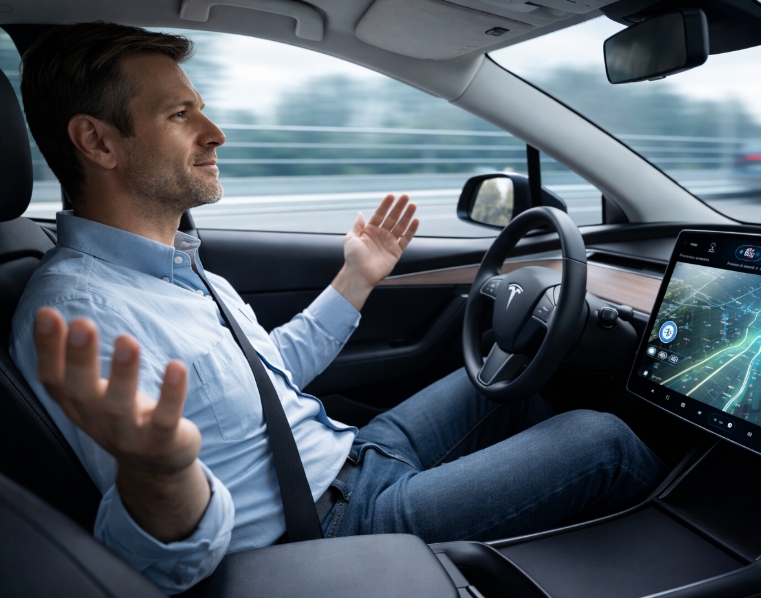
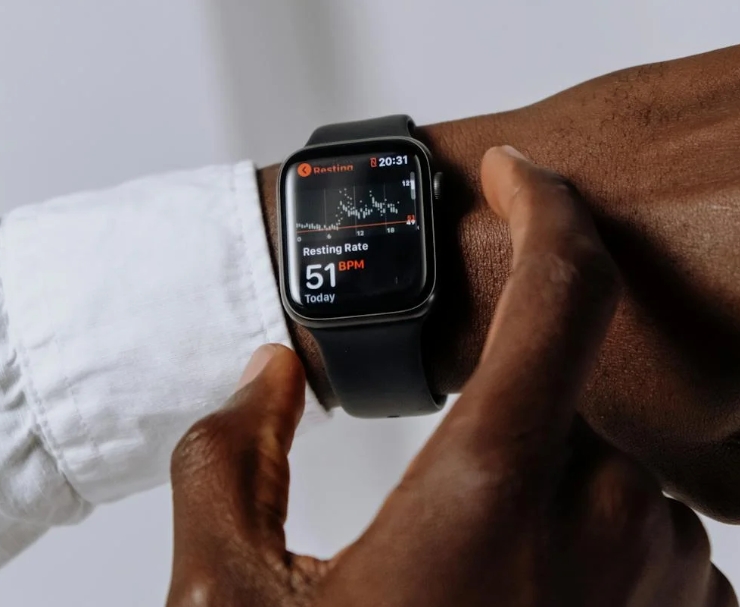
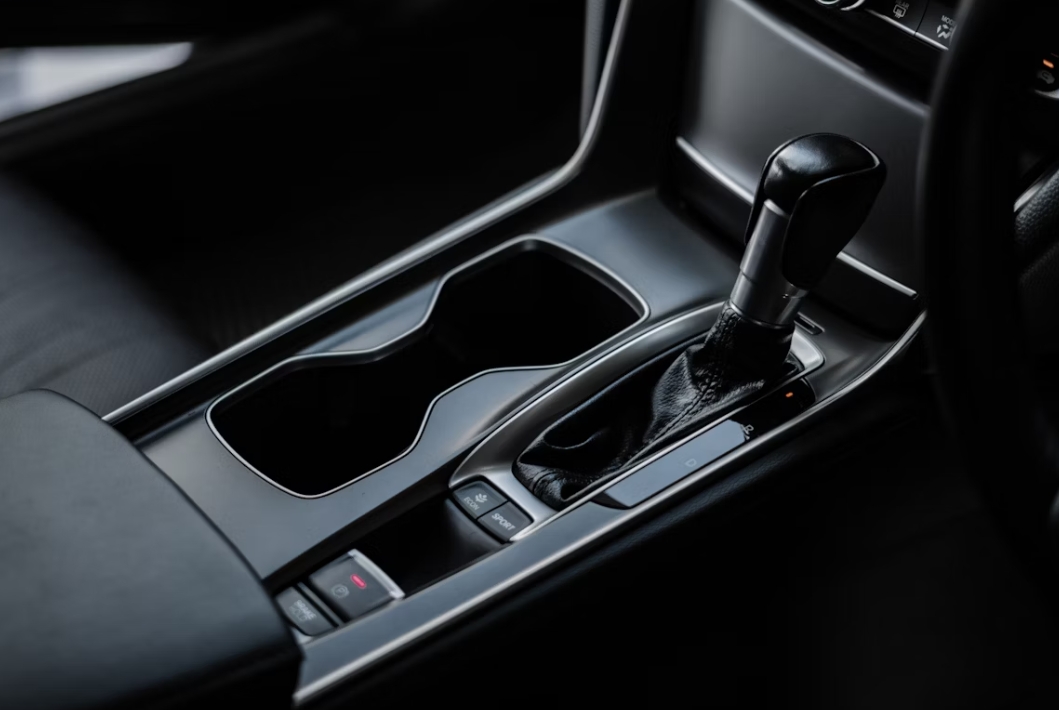
Modern vehicles collect valuable crash data through telematics systems and Event Data Recorders (EDRs), often referred to as a vehicle’s “black box.” These systems capture information like speed, braking, seatbelt use, and airbag deployment before and during a collision.
In late 2024, NHTSA updated federal standards to increase the amount of pre-crash data that can be recorded from five seconds to 20 seconds.
AI can combine this data with photos, videos, and other evidence to help reconstruct what happened, allowing investigators to spend less time organizing information and more time analyzing it.
Fraud Detection and SIU Prioritization
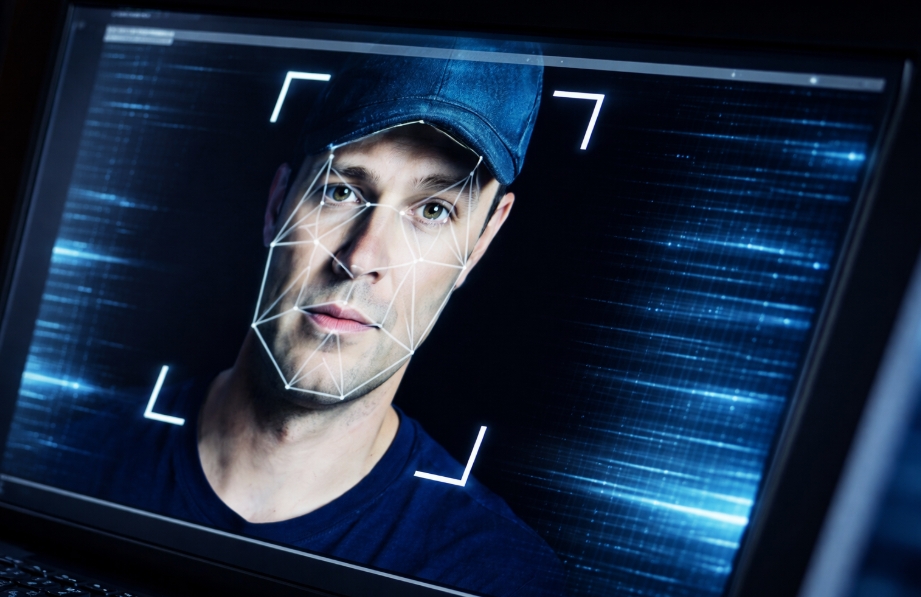
Machine learning can identify patterns and inconsistencies that may indicate fraud by comparing claims data, medical billing, prior claim history, and other known fraud indicators.
The National Insurance Crime Bureau (NICB) has already developed AI-powered tools to identify suspicious claim networks and help investigators work more efficiently. Considering auto insurance fraud is estimated to cost roughly $45 billion each year, these tools can help investigators focus their time where it’s needed most.
Document Review and Claims Processing
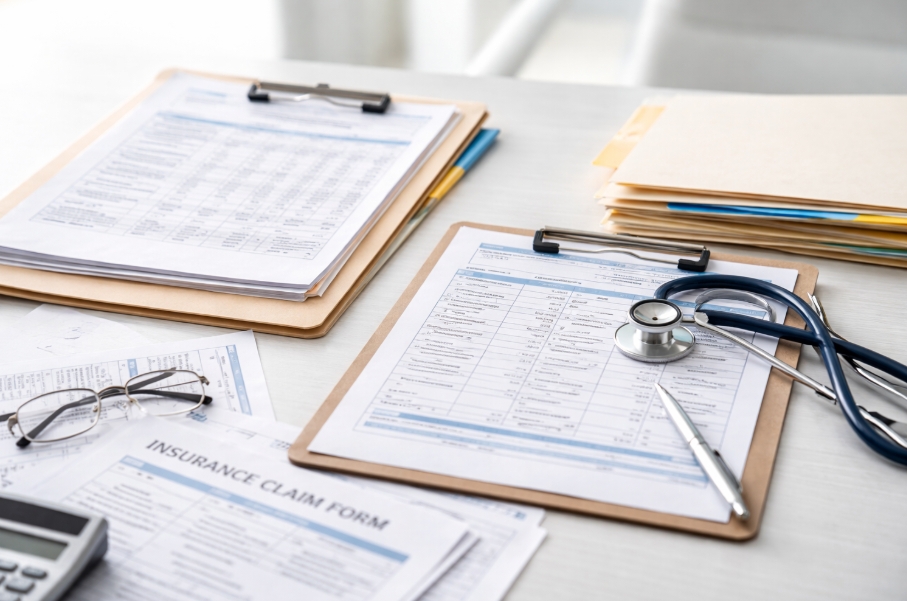
AI can also reduce the administrative workload involved in an investigation. Optical character recognition (OCR) can organize information from police reports, medical records, repair estimates, and witness statements, while generative AI can create an initial summary of the findings for an investigator to review and verify.
Rather than replacing investigators, these tools help eliminate repetitive tasks so experienced professionals can focus on the parts of the investigation that require critical thinking and sound judgment.
The Bottom Line
AI is becoming an increasingly valuable tool in auto accident investigations, but it isn’t a replacement for experienced investigators.
Like any technology, AI is only as effective as the data behind it. Incomplete or biased data can lead to inaccurate results, and questions around privacy and the use of connected vehicle data continue to evolve. Just as importantly, AI can’t replace interviews, scene inspections, surveillance, or the experience needed to recognize inconsistencies in a witness statement or repair estimate.
The future of auto accident investigations isn’t about choosing between AI and human investigators. It’s about combining the speed and efficiency of AI with the experience and judgment that only skilled investigators can provide.
Want to stay ahead of emerging AI-driven fraud? Partner with us for experienced investigators, advanced technology, and the insights needed to navigate today’s evolving auto claims landscape.
Check out our sources:
Microsoft. “How Good Are Humans at Detecting AI-Generated Images? Learnings From an Experiment.” arXiv, 2025, arxiv.org/pdf/2507.18640.
National Association of Insurance Commissioners. “Insurance Fraud.” NAIC, content.naic.org/insurance-topics/insurance-fraud.
National Highway Traffic Safety Administration. “Event Data Recorders (EDRs).” NHTSA, www.nhtsa.gov/fmvss/event-data-recorders-edrs.
National Insurance Crime Bureau. “2025 Annual Report.” NICB, www.nicb.org/annual-reports/2025-annual-report.
SAS. “Insurers Grapple With New Fraud Threat: AI-Generated Images.” SAS, 28 May 2026, www.sas.com/en_us/news/press-releases/2026/may/synthetic-images-ai-insurance-fraud.html.
The Institutes. “AI Fraud in Auto Claims: Now Is the Time for Bold Collaboration.” The Institutes, 17 July 2025, web.theinstitutes.org/blog/ai-fraud-auto-claims-now-time-bold-collaboration.