Workers' Comp Impersonation Scam: What Claims Teams Should Know
Workers' compensation scams are becoming more sophisticated, and injured workers are increasingly the target. A nationwide impersonation scheme has prompted warnings from multiple state agencies after scammers posed as judges, attorneys, and workers' compensation officials to steal money from claimants. This blog explores how the scam works, why it matters to claims professionals, and what claims teams can do to help protect injured workers.
By Caroline Caranante | Jul 31, 2026 | 3 min. read
What you will find below:
- How the Workers’ Comp Impersonation Scam Works
- Which States Have Issued Warnings
- Why this Matters for Claims Professionals
Picture this: An injured worker receives what looks like an official message from a workers’ compensation agency. It says a hearing has been scheduled or a settlement is ready to be released, but first, a fee must be paid. Already dealing with the financial stress of a workplace injury, the worker complies. The message was fake, the settlement never existed, and the money is gone.
Since early 2026, state workers’ compensation agencies across the country have issued warnings about a coordinated scam targeting injured workers.
What is the Workers’ Compensation Impersonation Scam?
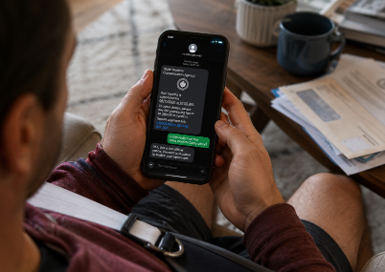
This scam tends to follow a very similar pattern. Scammers contact injured workers by phone, email, text message, video call, or social media platforms, falsely claiming to represent a state workers’ compensation agency, court, attorney, or federal official.
The messages often look legitimate, using official government seals, addresses, or even the names and signatures of judges or attorneys. Despite appearances, they’re completely fraudulent.
One of the more convincing versions of the scam involves a fake virtual hearing. Workers are led to believe they’re appearing before a judge or government representative, only to be told afterward that they must pay a fee before benefits or a settlement can be released.
Additionally, Tennessee’s Bureau of Workers’ Compensation also identified a related tactic involving fraudulent “Payment Authorization Forms” requesting mailing or banking information under the pretense of processing a payout.
How Widely Has This Scam Spread?
This scam is especially concerning because of how quickly it has spread. Since early 2026, workers’ compensation agencies across the country have issued warnings about nearly identical schemes targeting injured workers.
- Colorado (January 2026): The Division of Workers’ Compensation warned that scammers were posing as the Division, the courts, judges, and attorneys to convince injured workers to send money.
- Tennessee (February 2026): The Bureau of Workers’ Compensation warned of impersonators claiming to represent its Court of Workers’ Compensation Claims. In a May 2026 update, it confirmed that Spanish-speaking claimants were being specifically targeted.
- Oregon (February 2026): Oregon officials warned of scammers targeting Spanish-speaking injured workers through fake hearings and fraudulent settlement communications.
- Idaho (February 2026): The Industrial Commission alerted workers to fraudulent settlement notices using fake Department of Labor seals and forged judges’ signatures.
- Montana (February 2026): Montana was linked to reports of the same scam affecting injured workers in neighboring states, suggesting the operation was already spreading across state lines.
- Utah (April 2026): The Labor Commission described the scheme as a nationwide scam impersonating the Commission, its Industrial Accidents Division, and federal labor officials.
- North Carolina (May–June 2026): The Industrial Commission and Attorney General Jeff Jackson warned of a multi-state operation using fake virtual hearings and official-looking communications.
- Illinois: The Workers’ Compensation Commission continues to maintain a public alert about scammers posing as judges, attorneys, and state employees.
- Arizona: The Industrial Commission issued a consumer alert warning injured workers about the same impersonation tactics.
- Washington (June 2026): Although no cases had yet been reported in the state, the Attorney General issued a preemptive warning because of the scam’s rapid spread across the Pacific Northwest.
The speed and consistency of these reports suggest either one coordinated criminal operation moving from state to state or multiple groups using the same successful playbook.
Why This Scam Matters for Claims Professionals
Claims Handling and Communication
If claimants begin expecting settlement updates through text messages or video calls because of scammers, legitimate communications may be met with skepticism. Claims teams may need to spend more time explaining how official communications, hearings, and settlement processes work.
Fraud Detection and SIU
SIU teams traditionally focus on fraud committed against the claims system, such as exaggerated injuries, staged accidents, or provider billing schemes. This scam turns that focus around.
Instead of fraud against the system, it’s fraud against claimants using the credibility of the workers’ compensation process itself. SIU and fraud teams are well positioned to identify trends, educate stakeholders, and report these schemes through their existing relationships with state fraud bureaus and law enforcement.
Litigation and Case Integrity
Fake hearings that closely resemble legitimate legal proceedings can create significant confusion, particularly for injured workers navigating the process without legal representation. Attorneys and claims professionals can help identify and address that confusion before it becomes a bigger issue.
Risk Management and Employer Relationships
Employers who self-insure or stay closely involved in the claims process also have an important role to play. Injured employees who lose money to these scams may become distrustful of the entire workers’ compensation process at a time when trust is especially important for a successful return to work. Even though claims professionals aren’t the ones being impersonated, every successful scam can still generate additional verification calls, investigations, and administrative work.
How Can Claims Organizations Respond to This Scam?
Claims professionals can help protect injured workers by reinforcing a few simple messages:
- Legitimate workers’ compensation benefits and settlements never require an upfront payment before funds are released.
- State agencies do not contact claimants through text messages, video calls, or social media to request money or schedule hearings.
- Requests for payment through gift cards, wire transfers, or cryptocurrency are strong indicators of fraud.
- Claimants should verify any suspicious communication using independently sourced contact information—not a phone number, email address, or link included in the suspicious message.
TPAs and carriers can also include information about this scam in claimant onboarding materials, especially for non-English-speaking claimants who have been disproportionately targeted.
A simple, plain-language explanation of how legitimate claims communications will occur is easy to implement and could help prevent someone from becoming the next victim.
Contact our team to learn how our investigative solutions can support your fraud prevention strategy.
Sources
- Arizona Industrial Commission of Arizona. “Attention! Scam Targeting Workers’ Compensation Claimants.” azica.gov, Apr. 2026.
- Colorado Department of Labor and Employment, Division of Workers’ Compensation. “Injured Workers.” cdle.colorado.gov, 2026.
- Idaho Industrial Commission. “Scam Alert: From the Industrial Commission.” iic.idaho.gov, 12 Feb. 2026.
- Illinois Workers’ Compensation Commission. “Frequently Asked Questions (FAQs).” iwcc.illinois.gov, 2026.
- Insurance Journal. “NC Commission Warns About Workers’ Comp Scam Impersonating Officials.” insurancejournal.com, 21 May 2026.
- North Carolina Department of Justice. “Attorney General Jeff Jackson Warns North Carolinians of Workers’ Compensation Fraud Scheme.” ncdoj.gov, 5 June 2026.
- Oregon Department of Consumer and Business Services. “Scam Targeting Spanish-Speaking Injured Workers.” dfr.oregon.gov, 12 Feb. 2026.
- Tennessee Bureau of Workers’ Compensation. “Impersonation Scam Targeting Injured Workers.” tn.gov, 24 Feb. 2026.
- Utah Labor Commission. “Utah Labor Commission Warns of Workers’ Compensation Scam Targeting Injured Employees.” KVNU, 5 June 2026.
- Washington State Office of the Attorney General. “Consumer Alert: Workers’ Compensation Scam Targeting Spanish-Speaking Workers.” atg.wa.gov, 4 June 2026.
- WorkCompWire. “TN BWC: Scam Continues to Target Spanish-Speaking Injured Workers.” workcompwire.com, 28 May 2026.
- WorkersCompensation.com. “Work Comp Scam Targets Spanish-Speaking Injured Workers.” workerscompensation.com, 10 June 2026.