What the Pabst Blue Ribbon Beer Heist Reveals About Cargo Theft Fraud
Cargo theft is increasingly shifting from physical theft to fraud schemes that exploit documentation, carrier identities, and verification processes. This blog examines fictitious pickup fraud and what claims teams should know when a shipment appears to have been legitimately released.
By Caroline Caranante | Sep 10, 2026 | 3 min. read
What you will find below:
- How Strategic Cargo Fraud Works
- Why Strategic Cargo Fraud is Becoming More Common
- What Claims Teams Should Verify
- How Evolving Transport Fraud is Changing Cargo Theft Investigations
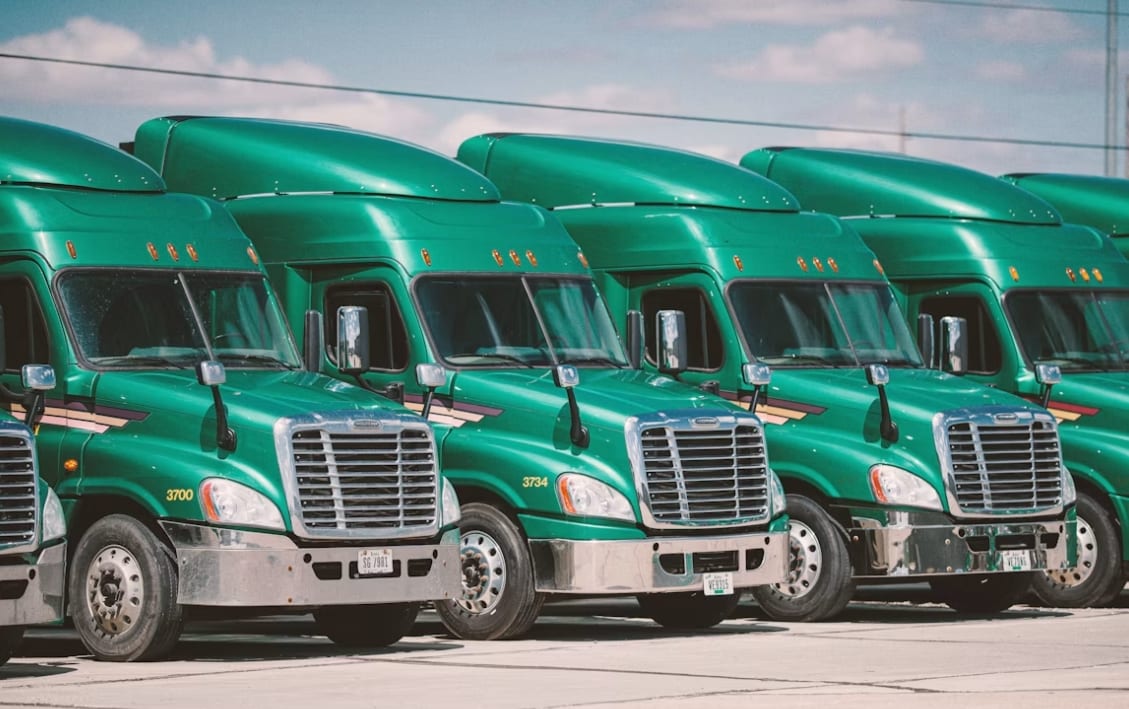
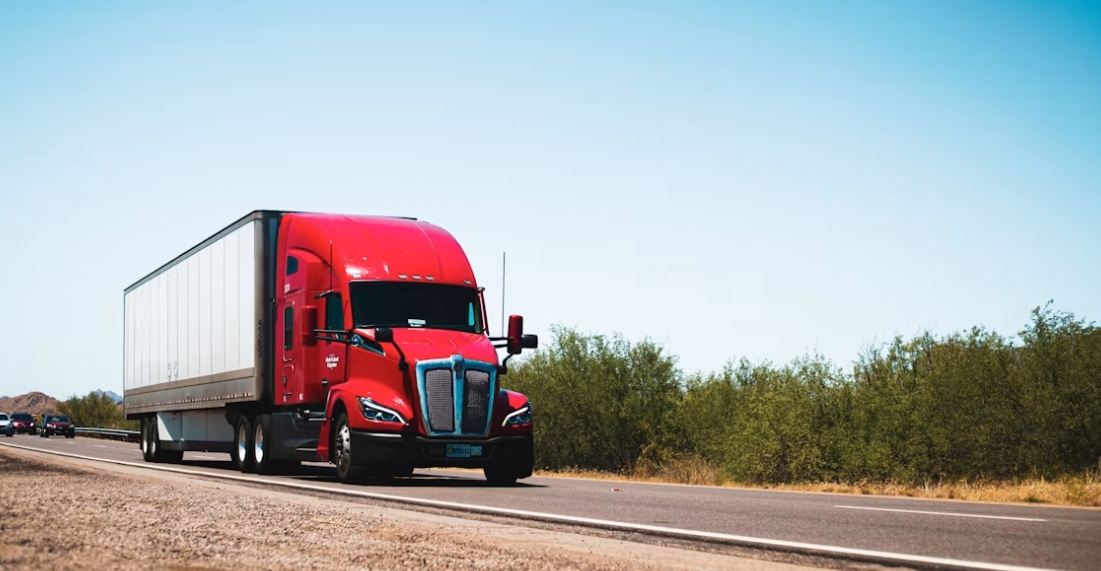
On the morning of August 17, 2026, a shipment worth roughly $45,000 left an Anheuser-Busch distribution center in Montclair, California, headed for Tucson, Arizona. It never arrived. About an hour later, another shipment worth around $25,000 in Anheuser-Busch and Pabst Blue Ribbon products left the same facility and disappeared as well.
Montclair police confirmed that no trucks were stolen from the property. Investigators say the second pickup was arranged by someone posing as a subcontracted carrier and using fraudulent documentation to claim the load. The first theft is still under investigation, including whether the two incidents were connected.
Recognizing the Fraud Behind the Theft
A $70,000 loss is significant on its own. What makes the case stand out is how easily the shipment was made to look legitimate. There was no forced entry or stolen truck. The product was simply released to someone who appeared to have the right credentials.
This type of scheme is known as strategic cargo theft, or fictitious pickup fraud. Rather than physically taking a load, criminals manipulate the process used to release it. They pose as a legitimate carrier or subcontractor, provide convincing but fraudulent documentation, and take possession of the shipment with the shipper’s cooperation.
That makes these cases particularly difficult to spot. There may be no obvious sign of a theft until the shipment fails to reach its destination.
The same tactic has been used to target a wide range of products. In one case, criminals used fraudulent pickup credentials to steal 24,000 bottles of Santo Tequila worth more than $1 million. Another incident involved a $400,000 shipment of live lobsters that was diverted to warehouses in the Midwest.
Looking Beyond the Paperwork
For claims professionals, it is essential to recognize when a loss that appears straightforward may involve a much more deliberate fraud scheme.
A fictitious pickup claim may include a bill of lading, a signed release, and a driver who appears to have the authority to take the shipment. Simply reviewing those documents may not be enough to establish what actually happened.
A closer investigation may require verifying who arranged the pickup, confirming that the carrier or subcontractor listed on the documents is legitimate, reviewing communications, checking motor carrier registration information, and comparing the pickup against actual routing and scheduling records.
The goal is to determine where the fraud entered the process and how the shipment was released.
Keeping Up with Evolving Cargo Theft
Cargo theft is increasingly becoming a problem of identity and verification, not just physical security. As criminals find new ways to exploit digital scheduling, freight-matching platforms, and subcontractor networks, claims professionals need to look beyond the paperwork and determine who had authority to take a shipment and how that authority was verified.
The Pabst Blue Ribbon case shows how easily a legitimate-looking pickup can mask a theft. For claims professionals, recognizing that distinction can be the difference between simply documenting a loss and uncovering the fraud behind it.
Want to learn more about evolving transportation fraud? Register for our upcoming CE course to explore current trends, tactics, and investigative approaches.
Sources:
Fox News. “Lobsters to Tequila: Cargo Theft Is Eating America’s Lunch and Driving Up Food Prices.” Fox News, foxnews.com/opinion/lobsters-tequila-cargo-theft-eating-americas-lunch-driving-up-food-prices.
KTLA. “40,000 Pounds of Pabst Blue Ribbon Stolen in Massive California Beer Heist.” KTLA, ktla.com/news/california/40000-pounds-of-pabst-blue-ribbon-stolen-in-massive-california-beer-heist/.
MIT Center for Transportation and Logistics. “New England Seafood Thefts Reflect Supply Chain Vulnerability.” MIT CTL, ctl-archive.mit.edu/node/5717.
NBC News. “Cargo Thieves Are Attacking the U.S. Supply Chain at Alarming Rates.” NBC News, nbcnews.com/business/business-news/cargo-thieves-are-attacking-us-supply-chain-alarming-rates-rcna205789.