Claim Verification vs. Claims Investigation
Claim verification and claims investigation serve different purposes but often overlap. This blog explains the difference between a targeted verification and a broader investigation, when each is appropriate, and how a routine verification can uncover issues that require a deeper look.
By Caroline Caranante | Sep 17, 2026 | 3 min. read

What you will find below:
- Why the Distinction Matters
- What Is Claim Verification?
- What Is a Claims Investigation?
- Where Claim Verification and Claims Investigation Overlap
Claim verification and claims investigation serve different purposes in the claims process, but the two can often overlap. This blog explains the difference between a targeted verification and a broader investigation, including when each approach may be appropriate. It also looks at how a routine verification can uncover issues that require a deeper investigation.
Claim verification and claims investigation involve different levels of review, depending on the questions a claim raises.
A property claim with clean, consistent documentation may only require verification of specific facts, while a workers’ compensation claim with conflicting statements and an unverifiable timeline may require a broader investigation.
Yet, it’s common for files to get routed into a broader investigation when a narrower check could have answered the question, or to get closed after a quick review when the facts warranted a closer look. Understanding the difference between claim verification and claims investigation can help determine the appropriate level of review for each file.
Why the Distinction Matters
Claim verification and claims investigation involve different levels of review. Verification confirms specific facts, while investigation takes a deeper look when those facts don’t answer the questions a claim raises.
Applying a full investigation to every claim takes unnecessary time and money when a targeted verification would have been enough. At the same time, a surface-level check can leave questions unresolved when the facts don’t hold up under scrutiny. The goal is to match the depth of review to what the claim requires.
What Is Claim Verification?
Claim verification is the process of confirming that specific facts, information, or documentation tied to a claim are accurate. It’s a targeted check rather than an open-ended review.
Depending on the claim type, verification can cover a range of details:
- Employment status and wage information, often confirmed through payroll records or an employer’s wage statement
- Incident details, such as date, time, and location
- Identity documentation
- Medical information, including provider records or treatment dates
- Prior claims history
- Supporting documentation like receipts, estimates, or reports
Verification is often the first layer of scrutiny applied to a claim, and for many files, it’s the only layer required.
What Is a Claims Investigation?
Claims investigation goes beyond confirming individual facts. It develops a fuller understanding of what happened, identifies inconsistencies, and gathers additional evidence when the available facts don’t add up or don’t fully answer the questions a claim raises.
Investigative methods vary by claim type and by what needs to be resolved, but commonly include:
- Interviews and recorded statements with claimants, witnesses, or other involved parties
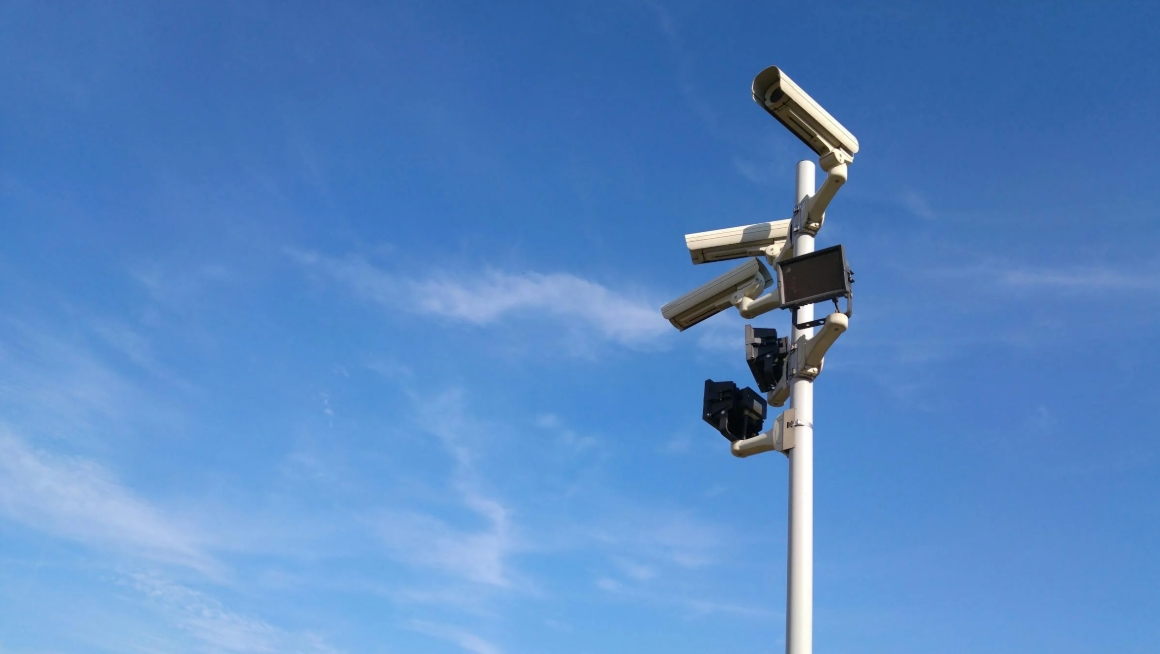
- Surveillance, used to assess whether observed activity aligns with reported injuries or restrictions
- Social media and open-source intelligence (OSINT) research
- Background research on individuals or entities connected to the claim
- Scene investigation or documentation of physical evidence
- Coordination with special investigative units, which combine these methods with data analysis and link analysis to spot patterns across claims
State insurance regulators describe this work as broader than a single fact check. For example, California’s Special Investigative Unit regulations require that a fraud investigation include a thorough analysis of the claim file, interviews with potential witnesses, use of industry-recognized databases, and preservation of documents and other evidence.
The goal is to build a complete, defensible record of what actually happened.
Where Claim Verification and Claims Investigation Overlap
Claim verification and claims investigation can overlap, but they serve different purposes. Verification can be one part of a broader investigation, and a verification check can also uncover an issue that requires a deeper look.
For example, verifying employment status may reveal that a claimed injury date doesn’t match payroll records. That discrepancy may lead to additional steps, such as interviews, surveillance, or background research.
When Claim Verification May Be Enough
Many claims raise a narrow question, and a targeted verification effort can answer it without going further. A claim with a specific, isolated concern — like confirming that a policy was active on the date of loss or that a wage statement matches payroll records — doesn’t necessarily need surveillance or interviews.
If the documentation checks out and nothing else raises a flag, verification alone may be sufficient to move the claim forward with confidence.
Applying investigative resources to every file, regardless of need, isn’t an efficient use of time or budget. Matching the depth of review to the actual question at hand keeps claims moving without unnecessary delay.
When a Claim May Require a Deeper Investigation
Common red flags in claims practice include:
- Conflicting information between the claimant’s statements, witness accounts, and documentation
- Unexplained inconsistencies in timelines, injury descriptions, or reported activity levels
- Questionable documentation, such as records that appear altered or don’t match independent sources
- Facts that don’t align with what would be expected given the claimed circumstances
- Patterns that match known fraud indicators, such as billing anomalies flagged across a provider’s claims or a claimant’s history of prior claims
When these signals appear, a claims investigation — potentially involving interviews, surveillance, or OSINT research — becomes the more appropriate response.
Choosing the Right Approach
The right level of review depends on what still needs to be answered. Start with the specific question, verify the facts that can be confirmed, and expand the review when the information doesn’t hold up or raises additional questions.
This is how many SIU programs approach claims, moving from an initial review of claim details and documentation to additional information gathering, interviews, and other investigative methods when needed.
The goal isn’t to investigate every claim. It’s to make sure the level of review matches the questions the claim presents, so decisions are based on facts that have been properly examined and documented.
Looking for a partner that can handle both claim verification and claims investigation? Connect with us to determine the right level of review for each claim.
Sources:
- California Department of Insurance. Special Investigative Unit Regulations, Cal. Code Regs. tit. 10, §§ 2698.30–2698.43. insurance.ca.gov
- CNA Insurance. Special Investigations Unit (SIU). cna.com
- Sentry Insurance. What Is a Special Investigation Unit (SIU)? sentry.com