How AI Is Fueling the Next Wave of Disaster Insurance Fraud
AI is changing the way disaster-related fraud is carried out, making familiar scams faster, more convincing, and more difficult to detect. This blog explores how AI is being used to create fabricated evidence, impersonate trusted organizations, and strengthen fraudulent insurance schemes following natural disasters.
By Caroline Caranante | Jul 31, 2026 | 3 min. read
What you will find below:
- How Generative AI is Changing Disaster-Related Insurance Fraud
- Emerging Risks of AI-Generated Photos, Videos, and Documentation
- Why AI Impersonation Scams are Becoming More Convincing After Natural Disasters
- Best Practices for Claims Professionals
In the weeks following Hurricane Helene in September 2024, an image of a young girl holding a puppy in flood waters spread rapidly across social media. It was viewed more than a million times, shared by public figures, and sparked an emotional response from thousands of people. The image, however, was completely fake.
Scammers are increasingly using AI-generated disaster photos to convince people to donate to fraudulent relief efforts. It works because these images look authentic and appear when emotions are running high.
Natural disasters have always attracted fraud. What’s changed isn’t the type of fraud. It’s the technology behind it. Generative AI makes long-standing disaster scams faster to create, easier to scale, and much more convincing.
The Same Scams, Just Smarter
In late 2024, the FBI warned that criminals were using generative AI to commit fraud on a larger scale, making scams faster and more believable. Just weeks later, after the January 2025 Los Angeles wildfires, the agency issued another alert warning that scammers were posing as disaster relief organizations, victims, and celebrities to solicit fraudulent donations.
The trend is already showing up in the numbers. The FBI received more than 22,000 AI-related fraud complaints in 2025, totaling nearly $893 million in reported losses. Disaster-related scams represent only a portion of those complaints, but they continue to surface after nearly every major catastrophe.
Fabricated Evidence
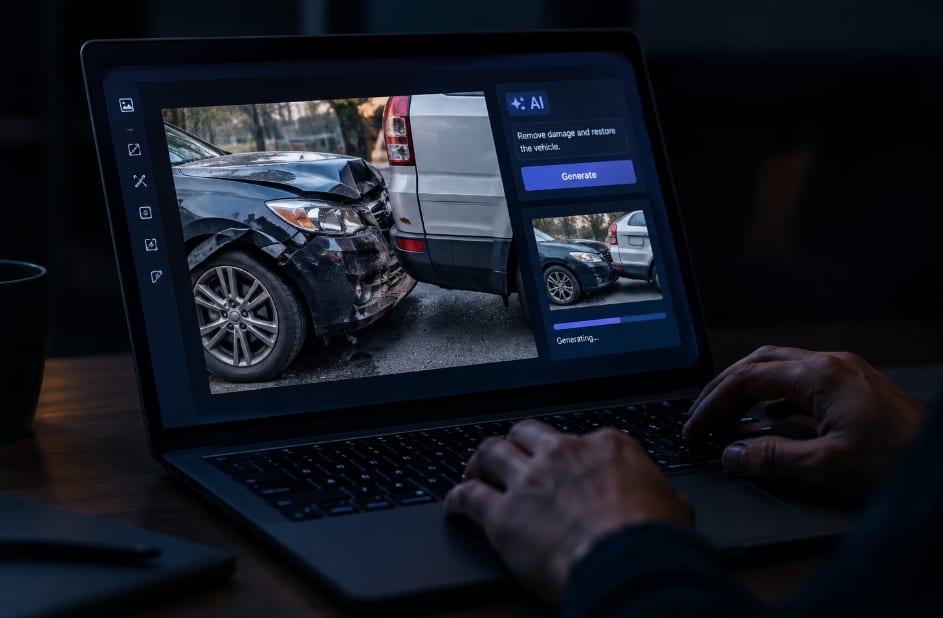
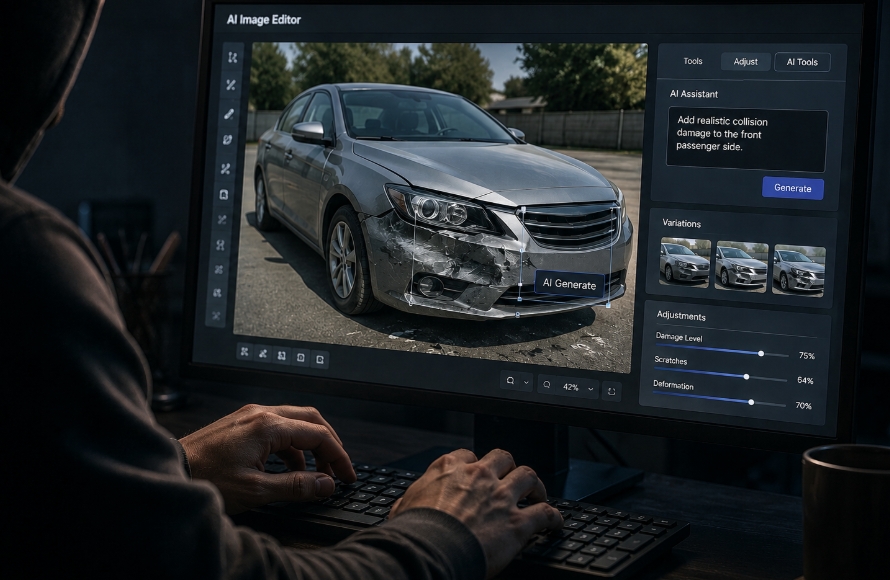
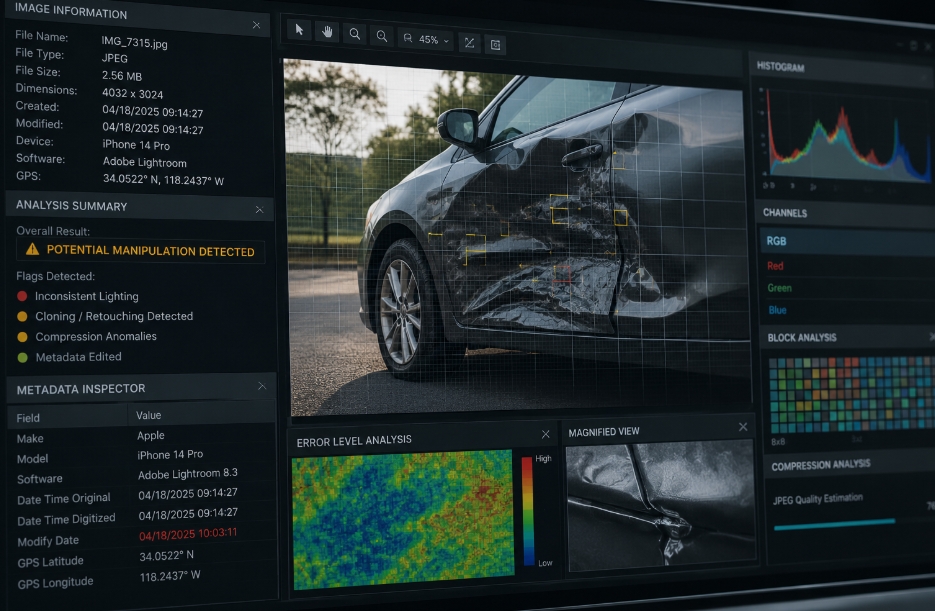
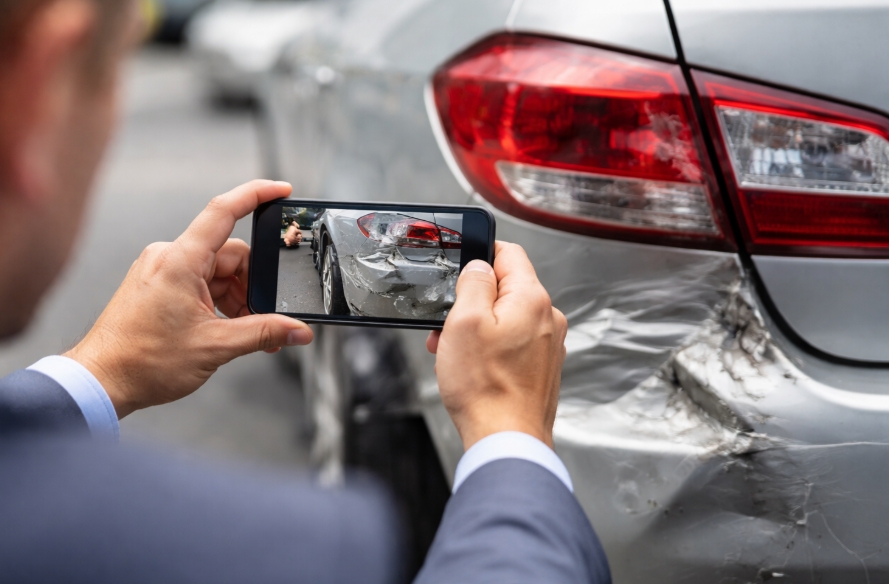
One of the biggest impacts on claims handling is the evidence itself. Adjusters have always dealt with recycled photos, but AI is making manipulated evidence much harder to identify. Generative tools can now create realistic damage photos from scratch or alter legitimate images to exaggerate losses.
The problem extends beyond photos. Trade publications are reporting an increase in “synthetic claims”—packages containing fabricated photos, invoices, receipts, and even fake identities designed to support fraudulent claims. These tactics can easily be applied after hurricanes, floods, and wildfires, when adjusters are processing high claim volumes under tight deadlines.
Video is following the same path, with AI-generated footage becoming increasingly realistic and making visual evidence more difficult to verify. AI can also generate convincing invoices, contractor estimates, leases, utility bills, and other supporting documentation, meaning evidence that once seemed trustworthy may now require additional verification.
Impersonation at Scale
Disaster fraud has always relied on impersonation. The difference today is that AI makes it much easier to create convincing fake websites, emails, documents, and even cloned voices, allowing scammers to appear legitimate with very little effort.
As a result, familiar scams, including fake charities, FEMA impersonation, fraudulent crowdfunding campaigns, and contractor fraud, are becoming more convincing. Following the Los Angeles wildfires, the FBI warned that scammers were impersonating government agencies, celebrities, influencers, and relief organizations to solicit fraudulent donations.
Impact on Claims Teams
None of this means every catastrophe claim should be viewed with suspicion. Most claims are legitimate, and policyholders are often dealing with significant stress and loss.
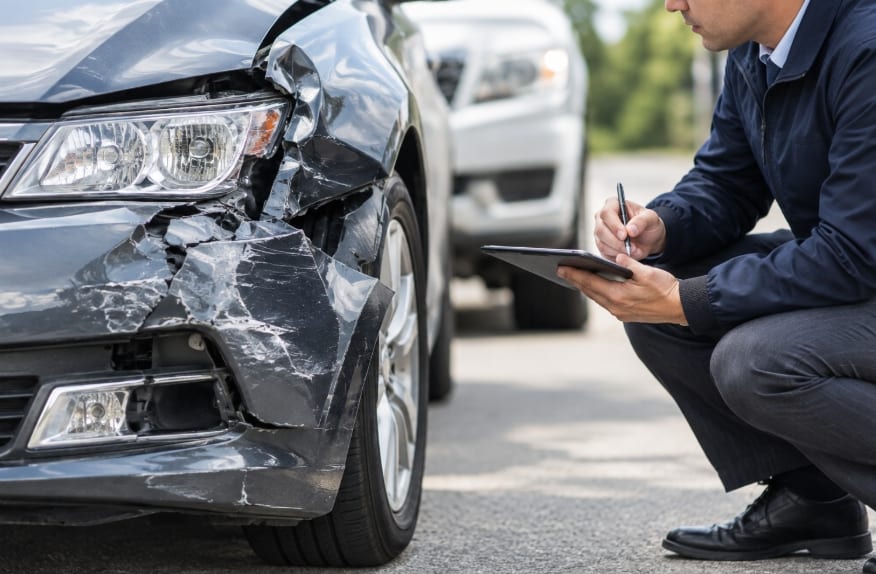
What AI changes is the level of confidence adjusters can place in the evidence they’re reviewing. Photos, videos, invoices, and other supporting documentation that once served as strong evidence may now require additional verification. Rather than relying on a single piece of evidence, claims professionals increasingly need to validate information through multiple sources.
Best Practices for Claims Professionals
There isn’t a single solution to AI-enabled fraud, and no technology can catch every manipulated image or fabricated document. The strongest defense is a layered verification process that combines technology with experienced claims professionals.
Some best practices include:
- Cross-reference weather data to confirm reported conditions match the claimed damage.
- Review image metadata and compare submitted photos against prior claims.
- Verify documentation independently by contacting contractors, landlords, or utility providers directly.
- Use live video walkthroughs when additional verification is needed.
Technology can identify inconsistencies, but experienced adjusters and SIU investigators are still essential for evaluating the full context of a claim. Their expertise helps distinguish sophisticated fraud from legitimate losses while ensuring honest policyholders aren’t unfairly impacted.
Our recent Natural Disaster Fraud CE course explored how AI is changing the fraud landscape and what claims professionals can do to stay ahead. Register for our upcoming CE courses to learn about emerging trends and topics impacting today’s claims professionals.
Sources
- Claims Journal. “Adapting Claim Investigations for AI-Driven Fraud.” Claims Journal, 15 May 2026.
- Federal Bureau of Investigation. “Beware of Charitable Fraud Related to Mass Casualty and Disaster Events.” Internet Crime Complaint Center, 16 Jan. 2025.
- U.S. Department of Justice. “Three Defendants Face Federal Charges of Bilking and Attempting to Defraud FEMA with Fraudulent Claims for Wildfire Disaster Benefits.” Central District of California, 12 Mar. 2025.
- WAFF. “AI Photos Created of Hurricane Helene Victims to Trick Donors.” WAFF, 9 Oct. 2024.