Device and Location Data in Claims Investigations
This blog explores how location data, wearable devices, vehicle telematics, and event data recorders (EDRs) are changing modern claims investigations. It breaks down what each type of digital evidence is useful for and explains the legal, privacy, and access considerations that come with using it.
By Caroline Caranante | Jun 10, 2026 | 3 min. read
What you will find below:
- How Digital Data Types Differ
- Legal and Privacy Considerations
- Questions to Ask About Consent, Access, and Chain of Custody
- Guidance for Building Defensible, Evidence-Based Investigations
Nearly half of American adults own a smartwatch or fitness tracker, and almost every claimant today carries a GPS-enabled smartphone. That means many claims now include potential digital evidence, including location history, activity data, vehicle data, and other information that wasn’t a practical investigative resource ten years ago.
The question isn’t whether this evidence matters. It’s whether an organization has a process to use it correctly, legally, defensibly, and without creating more exposure than it solves.
Choosing the Right Digital Evidence Source
Not all digital evidence answers the same question, and pursuing the wrong source wastes resources.
Before using any of these tools, there should be a documented factual basis for the request, meaning a specific sworn or recorded statement about location, activity, or vehicle behavior that the data could directly confirm or challenge. General suspicion or claim severity alone isn’t enough.
EDR Data
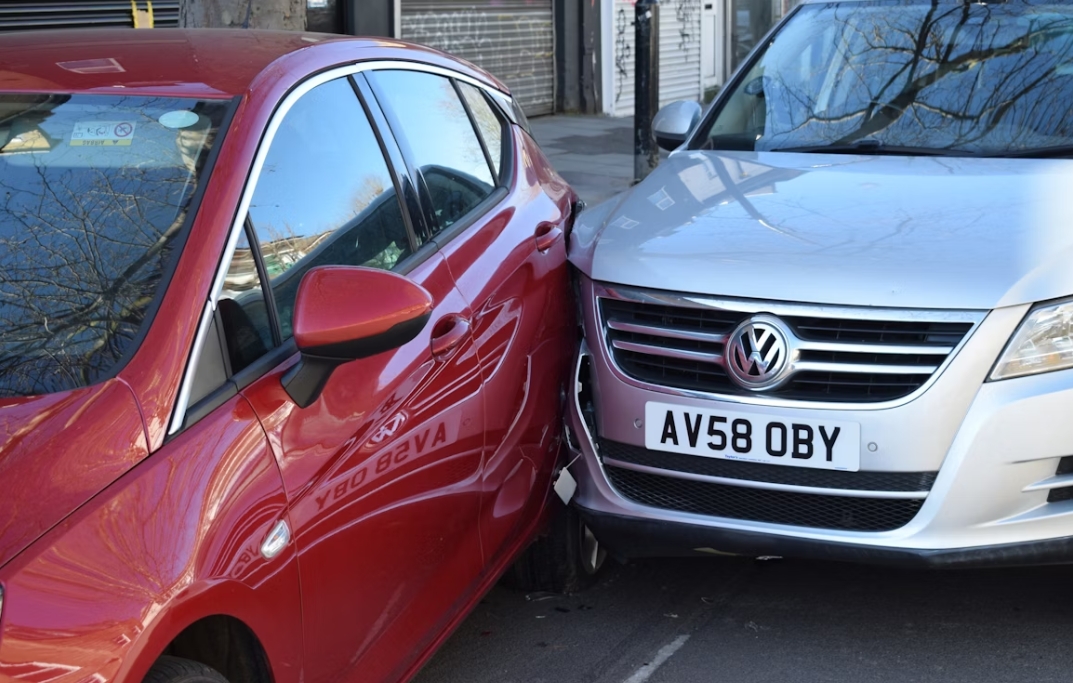
EDR (Event Data Recorder) data is useful when the question is what a vehicle was doing in the moments before a crash, such as speed, braking, seatbelt use, steering activity, and change in impact force.
It’s objective, standardized, and generally difficult to alter once recorded. NHTSA estimates that 99.5% of model year 2021 light vehicles have a compliant EDR installed, which means this type of evidence may exist in nearly every auto claim.
Vehicle Telematics
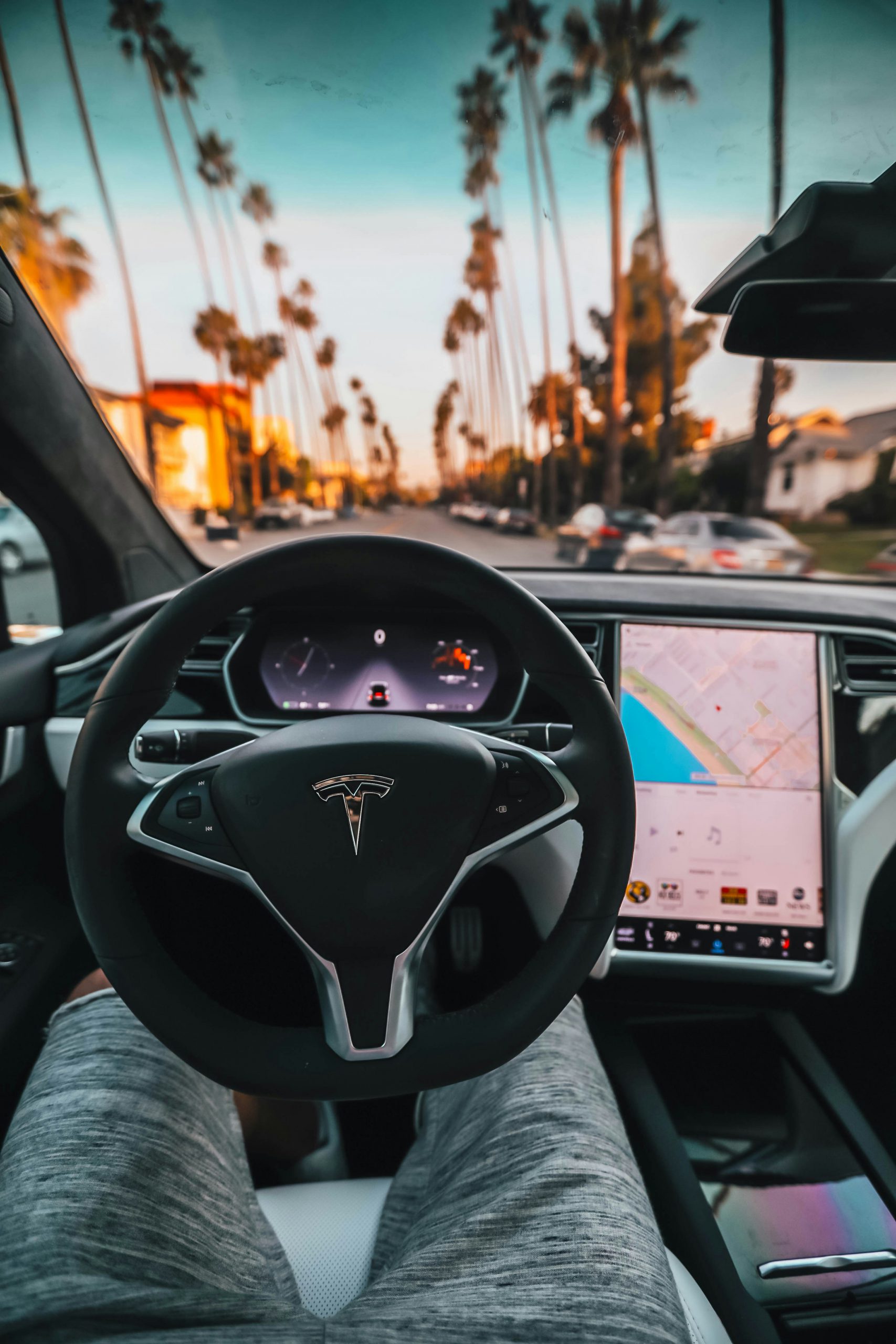
Vehicle telematics is more useful when the question involves patterns over time, such as driving behavior leading up to a loss, location at a specific time, mileage disputes, or indicators of a staged event in fleet or rideshare claims.
If the claimant enrolled in a usage-based insurance (UBI) program, some of this data may already be available to the insurer.
GPS and Wearable Data
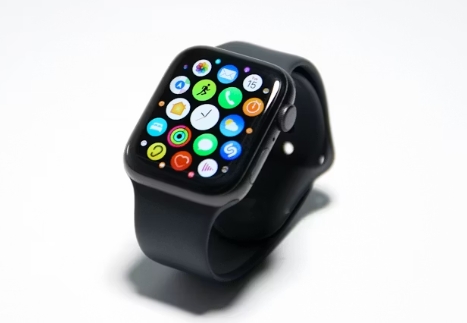
GPS and wearable data answer different questions: where someone was and how active they were over time.
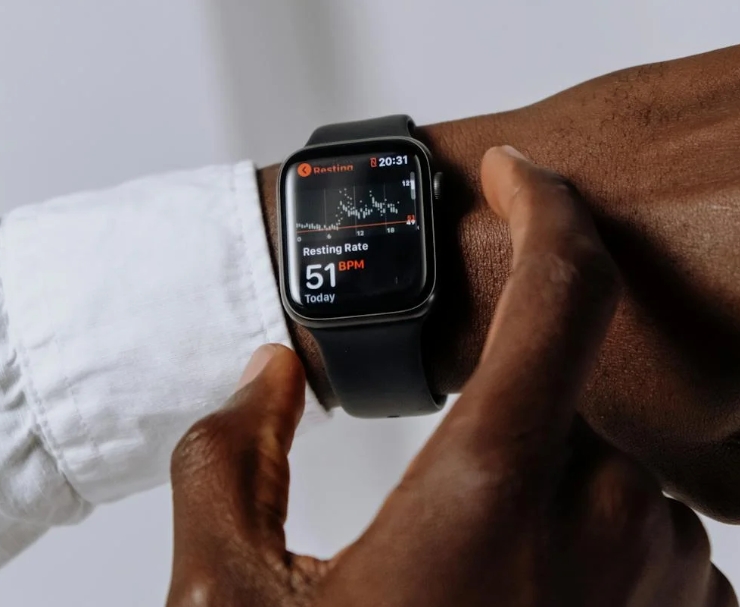
For example, if a claimant reports near-total physical disability but wearable data shows an average of 6,800 daily steps, GPS workout routes, and heart rate patterns consistent with moderate activity, that creates a factual inconsistency worth documenting.
This type of evidence is less precise than EDR data, more dependent on context, and often requires expert interpretation. But in disability and workers’ compensation claims, it may also be one of the most relevant sources available.
Questions to Ask Before Investigating
Before pursuing digital device evidence on any claim, answer these three questions. If the answer isn’t clear, involve counsel before moving forward.
1. What’s the access pathway?
If the data is already in the insurer’s possession through a UBI program or fleet telematics agreement, first confirm whether the consent language allows claims use. Permission for underwriting purposes doesn’t always extend to investigations.
If the data is held by a third party, such as Apple, Google, Fitbit, or a rideshare platform, and the claimant hasn’t consented, legal process may be required through a subpoena, court order, or preservation request.
These companies often resist disclosure and may only produce records under court order. Preservation requests should happen early because cloud data isn’t stored forever, and information available today may no longer exist in a few months.
For EDR data specifically, the Driver Privacy Act of 2015 establishes that EDR data belongs to the vehicle owner or lessee, not the insurer or manufacturer.
In first-party claims, access depends on both policy cooperation provisions and the Driver Privacy Act. In third-party claims, access generally requires a subpoena or coordinated retrieval. Accessing EDR data without proper authorization isn’t a gray area; it’s a statutory issue.
2. What state privacy law applies?
Washington’s My Health My Data Act significantly expanded protections around geolocation, biometric, and health-related behavioral data that falls outside HIPAA.
That means wearable step counts, heart rate data, GPS workout history, and sleep information may all fall within scope. The law includes a private right of action and no cure period.
Nevada’s Consumer Health Data Privacy Law is similar but enforced through the Attorney General rather than private lawsuits. Several states are developing comparable laws.
Before collecting biometric, health, or geolocation data, it’s important to review the governing statute for that jurisdiction directly.
3. Is the chain of custody documented from the first point of access?
Chain of custody issues are one of the most common reasons digital evidence gets challenged, and they usually can’t be fixed later.
For EDR data, use manufacturer-authorized retrieval tools and document the extraction process completely. A screenshot from a wearable app isn’t forensic collection. An adjuster downloading records directly from a cloud dashboard isn’t a defensible chain of custody.
Certified forensic examiners who follow preservation protocols remain the standard, and preservation efforts need to happen before relevant data disappears.
Ethical Considerations
There are several important ethical principles in this space, but one matters more than most: pursue evidence that supports the claim using the same standard as evidence that challenges it.
GPS data that confirms the claimant was at the reported accident location should be documented. Wearable data showing a sustained drop in activity after the reported injury date should also be documented.
Claims professionals who only pursue digital evidence when they expect it to support denial aren’t investigating; they’re building a case.
That creates bad faith exposure and becomes obvious when a file is reviewed. Evidence-based investigations produce defensible outcomes regardless of where the facts lead.
Final Thoughts
Two developments are likely to shape this area over the next several years. NHTSA’s December 2024 final rule expands EDR pre-crash recording from 5 seconds to 20 seconds, although implementation timing may shift. As compliant vehicles enter the claims pipeline, EDR evidence will capture much more of the sequence leading into a crash than it does today.
At the same time, state privacy laws are becoming more restrictive around the exact categories of health and location data discussed here.
Staying ahead means identifying where digital evidence adds value, confirming access and consent processes are current for each jurisdiction, and building relationships with qualified EDR and digital forensics vendors before preservation windows close.
The evidence already exists on many significant claims. The question is whether organizations are prepared to use it.
Need investigative support that keeps pace with changing technology? Connect with our team today.
Check out our sources:
Crash Data Group. “EDR Supported Vehicles.” Crash Data Group, crashdatagroup.com/pages/edr-supported-vehicles-1.
Lorraine v. Markel American Insurance Co., 241 F.R.D. 534, United States District Court for the District of Maryland, 2007.
National Association of Insurance Commissioners. “Telematics/Usage-Based Insurance.” NAIC, naic.org/cipr-topics/telematics.
Nevada Legislature. Consumer Health Data Privacy Law. Senate Bill 370, 2023. Nevada Revised Statutes, www.leg.state.nv.us/App/NELIS/REL/82nd2023/Bill/10269/Text.
Rock Health. “What’s Your Score? Insights on Wearables and Connected Devices from Rock Health’s 2025 Consumer Adoption Survey.” Rock Health, 2026, rockhealth.com/insights/whats-your-score-insights-on-wearables-and-connected-devices-from-rock-healths-2025-consumer-adoption-survey/.
United States, Congress. Fixing America’s Surface Transportation Act. Public Law 114-94, §§ 24301€“24303, 4 Dec. 2015, www.congress.gov/bill/114th-congress/senate-bill/766.
United States, Department of Transportation, National Highway Traffic Safety Administration. “Event Data Recorders.” Federal Register, vol. 89, no. 243, 18 Dec. 2024, pp. 102810€“102832. 49 CFR Part 563, www.federalregister.gov/documents/2024/12/18/2024-29862/event-data-recorders.
United States, Department of Transportation, National Highway Traffic Safety Administration. “Event Data Recorders.” Federal Register, vol. 90, no. 227, 28 Nov. 2025. Docket No. NHTSA-2025-0050, www.federalregister.gov/documents/2025/11/28/2025-21506/event-data-recorders.
Washington State Legislature. My Health MY Data Act. Revised Code of Washington, Chapter 19.373, 2023, app.leg.wa.gov/RCW/default.aspx?cite=19.373.