Medical Canvassing in a Changing Workforce
This blog explores how remote work and telehealth are changing the way medical canvassing needs to be approached. It looks at the limitations of a traditional geographic canvass and how other sources can help identify treatment that may otherwise be missed.
By Caroline Caranante | Sep 10, 2026 | 3 min. read
What you will find below:
- How Remote Work is Changing Where Claimants Live and Receive Care
- Why Telehealth Can Create Gaps in Traditional Medical Canvassing
- How a Geographic Search Can Miss Treatment History
- Ways to Supplement a Medical Canvass
Roughly 20% to 30% of U.S. workers now work remotely at least part of the time, according to the National Council on Compensation Insurance (NCCI, 2025). That shift, along with the continued use of telehealth for everyday medical care, is changing where injured workers live and receive treatment. As work and treatment patterns evolve, medical canvassing needs to change with them.
A Shifting Workforce
That range reflects a lasting shift in where and how people work, rather than a temporary change. A growing share of claimants aren’t tied to one fixed jobsite anymore. Someone filing a claim today may be working from a second residence, splitting time between two states, or living somewhere with little connection to where the employer is based. The address on file may not tell the full story of where that person actually spends their time.
The Rise of Telehealth
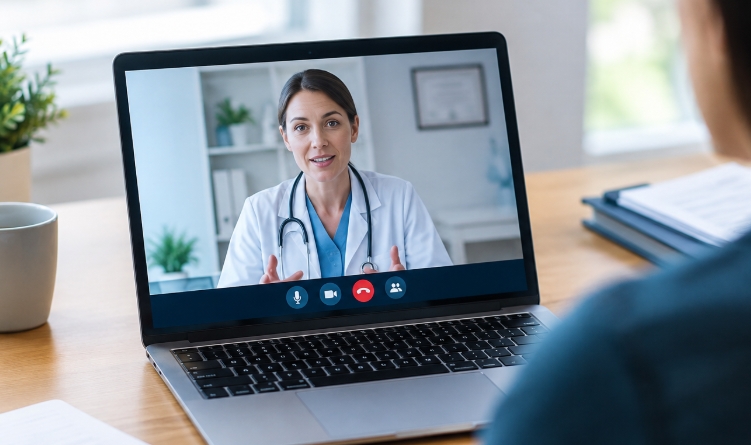
Telemedicine use in workers’ compensation claims continues to grow. A telehealth visit has no waiting room, no front desk, and often no physical address connected to where the claimant is. That creates a challenge for traditional medical canvassing, which is largely built around geography and the providers located near a claimant’s known addresses.
When telehealth is part of the picture, it can be helpful to supplement the medical canvass with other sources of information. Pharmacy records, for example, may point to a prescribing provider even when the visit itself took place virtually. Claimant interviews, health plan claims data, or other available records may also provide leads to providers or telehealth platforms that would not surface through a location-based search. Together, these sources can help fill in gaps that a geographic canvass alone may not catch.
What a Narrow Canvass Can Miss
Consider a claimant who reports a shoulder injury from a workplace fall and states that there was no prior treatment to that area. An initial medical canvass is conducted using the home address listed in the claim file and focuses on providers and facilities in that area. The canvass comes back clean.
The claimant, however, had relocated to another state to be closer to family while continuing to work remotely for the same employer. During that time, the claimant had also been having virtual follow-up visits with an out-of-state orthopedic provider for the same shoulder months before the reported workplace injury.
A traditional location-based canvass would have had no reason to find that provider. The treatment did not take place at a facility near the claimant’s original address, and the provider was not known to the claims team when the canvass was requested. Other available sources, such as pharmacy or claims data, could potentially provide the lead to that treatment.
That treatment history existed the entire time. The issue was not that the canvass was unsuccessful. The treatment simply fell outside what a geographic canvass was designed to find.
A Broader Scope
The home address is still a reasonable starting point. It’s what gets layered on top of it that needs updating. Depending on the claim, a canvass request can also account for:
- Where the claimant currently or previously works
- Whether the job involves regular travel
- Any known secondary residences
- Whether the claimant may have lived or received care outside the area
These details can help determine whether the geographic scope of the canvass needs to extend beyond the address on file. If telehealth is a possibility, the canvass may also need to be supplemented with other available sources, such as pharmacy records, claims data, or information gathered during the claimant interview.
Raising these questions when the canvass is first requested, rather than after it comes back empty, can help identify gaps earlier and point the investigation toward other sources of treatment history.
Final Thoughts
For medical canvassing to be effective, knowing where to look is critical. But with remote work, changing residences, and growing use of telehealth, finding where treatment may have occurred is not always straightforward. A canvass that accounts for these changes and uses other available sources when needed is better positioned to uncover the full treatment history.
We recently hosted a CE course on medical canvassing. For more insights on important industry trends, register for our upcoming CE courses.
Sources:
Health Law Alliance. “UPIC Audits of Telehealth Providers.” Health Law Alliance, 2026, www.healthlawalliance.com/blog/upic-audits-of-telehealth-providers.
Legal Copy Services (LCS Record Retrieval). “The Medical Canvass: What Every Legal & Insurance Professional Needs to Know.” LCS Record Retrieval, 24 June 2026, legalcopyservices.com/the-medical-canvass-what-every-legal-insurance-professional-needs-to-know/.
LegalClarity. “What Is Medical Canvassing? Process, HIPAA, and Your Rights.” LegalClarity, 20 May 2026, legalclarity.org/what-is-medical-canvassing-and-how-does-it-work/.
National Council on Compensation Insurance. “Remote Work and Workers’ Compensation Frequency.” NCCI, 2025, www.ncci.com/Articles/Pages/Insights-Remote-Work-and-Workers-Compensation-Frequency.aspx.
“Medical Severity, Care Access Top Comp Trends: Report.” Business Insurance, 2 June 2026, www.businessinsurance.com/medical-severity-care-access-top-comp-trends-report/.