How Smart Glasses and AI Are Changing Workplace Injury Investigations
Explore how smart glasses, wearable cameras, and AI are changing workplace injury documentation and claims investigations.
By Caroline Caranante | Oct 30, 2026 | 3 min. read
What you will find below:
- How Are Smart Glasses and Wearable Cameras Changing Workplace Safety?
- How Can Wearable Technology Help Document Workplace Injuries?
- What Happens When Wearable Footage Becomes Evidence in a Claim?
- What Should Claims Professionals Know About This Technology?
Smart glasses, wearable cameras, and AI-powered safety tools are changing how workplace incidents are documented. An estimated 5% of U.S. adults own a pair of smart glasses, according to Security.org. As wearable technology becomes more common, its potential uses in the workplace are growing as well. Instead of relying only on written reports and witness accounts, employers may have footage showing what happened before, during, or after an injury.
How Are Smart Glasses and Wearable Cameras Changing Workplace Safety?
Smart glasses and wearable cameras give employers a first-person view of job tasks, working conditions, and safety procedures. These technologies generally fall into three categories:
- Wearable cameras are typically attached to a worker’s clothing, vest, or helmet and record activity from the worker’s point of view. Unlike handheld cameras, they allow employees to document tasks while keeping their hands free. In the event of an injury, recordings may show the surrounding conditions, equipment being used, and events leading up to the incident.
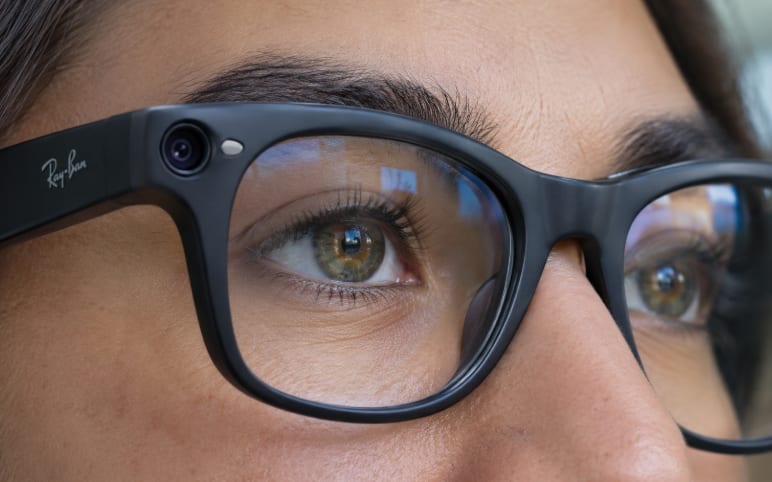
- Smart glasses have built-in cameras that allow wearers to capture photos and videos without holding a phone. Ray-Ban Meta glasses, for example, use voice commands and hands-free controls to record what the wearer sees. Construction company Kitchell has explored using Meta glasses to document jobsite conditions and safety hazards without interrupting conversations or daily work.
- AI-powered safety tools analyze video footage to identify potential hazards that might otherwise go unnoticed. These alerts can help safety teams address problems before they lead to an injury.
Together, these tools create new ways to document workplace conditions and activities. If an injury occurs, available recordings may become part of the claim investigation.
How Can Wearable Technology Help Document Workplace Injuries?
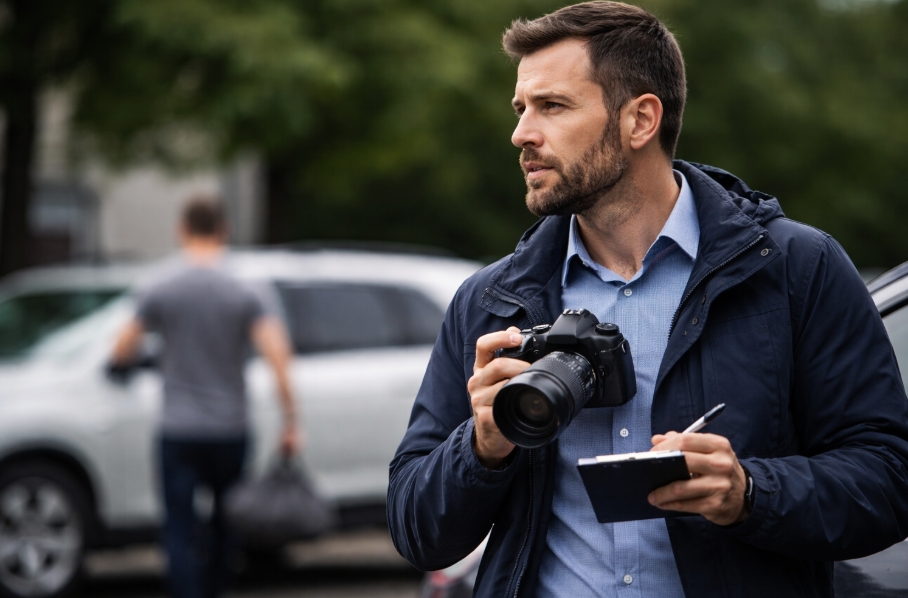
Wearable technology can preserve details that might otherwise be missed in an incident report or witness statement. OSHA’s incident investigation guidance identifies preserving and documenting the scene as an important first step and recommends using video when appropriate.
Depending on the recording, footage may help establish:
- Workplace conditions: Lighting, floor surfaces, clutter, and other conditions surrounding an incident.
- Job tasks and physical activity: How an employee performed a task, including lifting techniques, body positioning, and tool use.
- Safety procedures: Whether machine guards, lockout procedures, and personal protective equipment were in place.
- The sequence of events: Time-stamped footage may help clarify what happened when accounts of an incident differ.
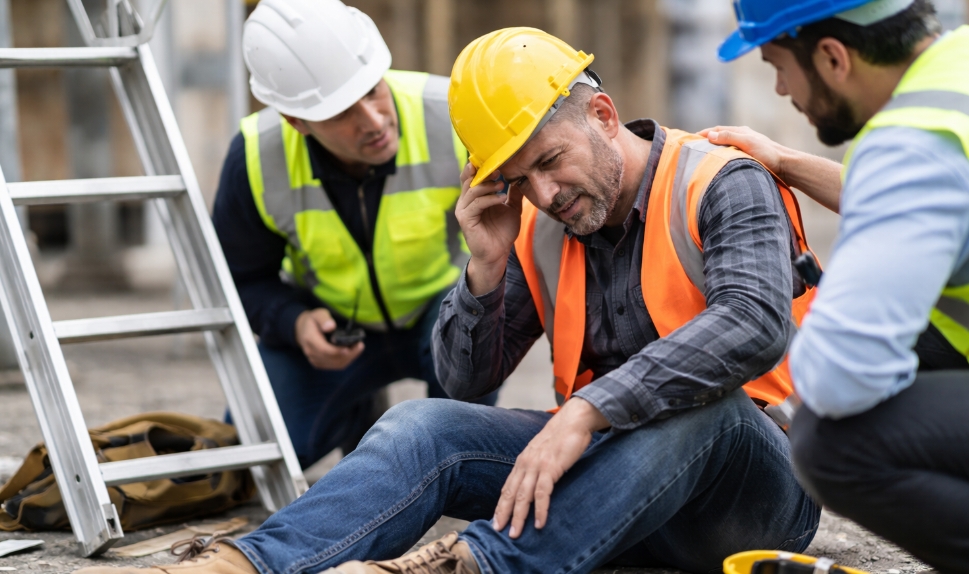
For example, when an injured worker, supervisor, and witness provide different accounts of an incident, available footage may help clarify what happened. However, video does not automatically support one side of a claim. It can corroborate an injured worker’s account just as easily as it can raise additional questions.
What Happens When Wearable Footage Becomes Evidence in a Claim?
Once wearable footage becomes part of a workers’ compensation claim, it needs to be reviewed carefully. A recording may help clarify disputed details, but it should not be treated as a complete account of an incident.
Claims professionals should consider several factors when reviewing digital evidence:
- Accuracy and completeness: A head-mounted camera only captures what the wearer sees. It may miss important activity outside the camera’s view or begin recording after an incident. It also cannot fully document cumulative injuries, such as repetitive strain, that develop over time.
- AI interpretation: AI tools may generate alerts, summaries, or labels based on recorded footage. However, those outputs still require human review. A 2026 study published in Frontiers in Built Environment tested 24 AI detection models on construction videos and cautioned that the findings may not translate directly to real-world jobsite footage.
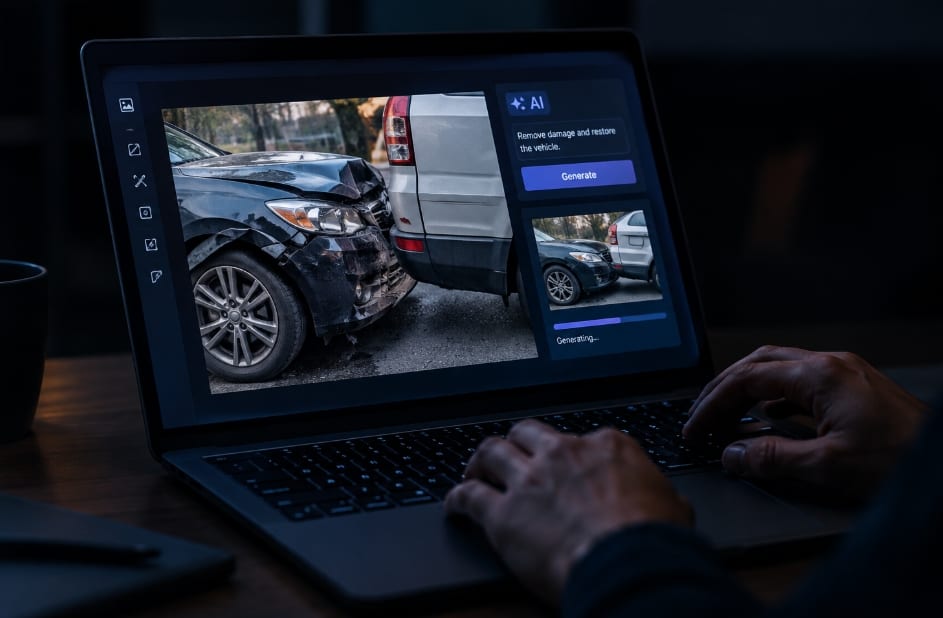
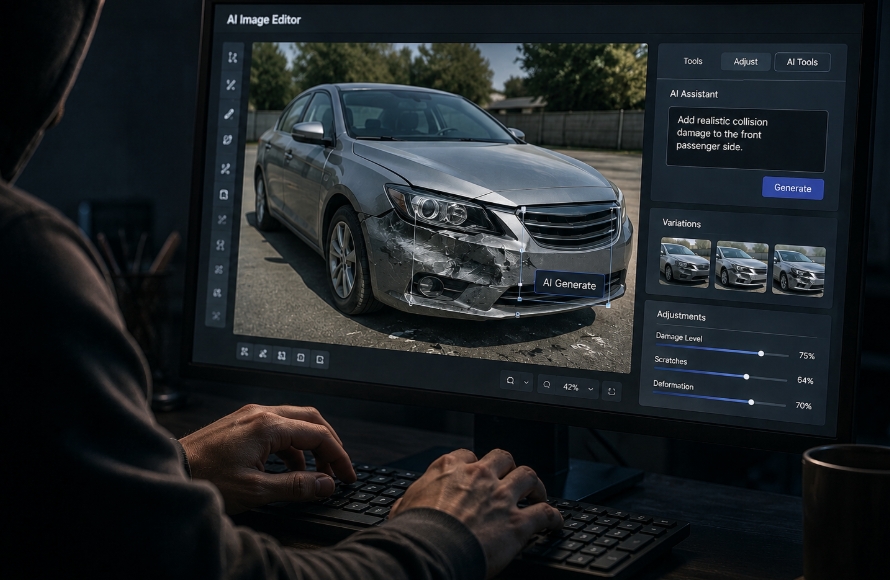
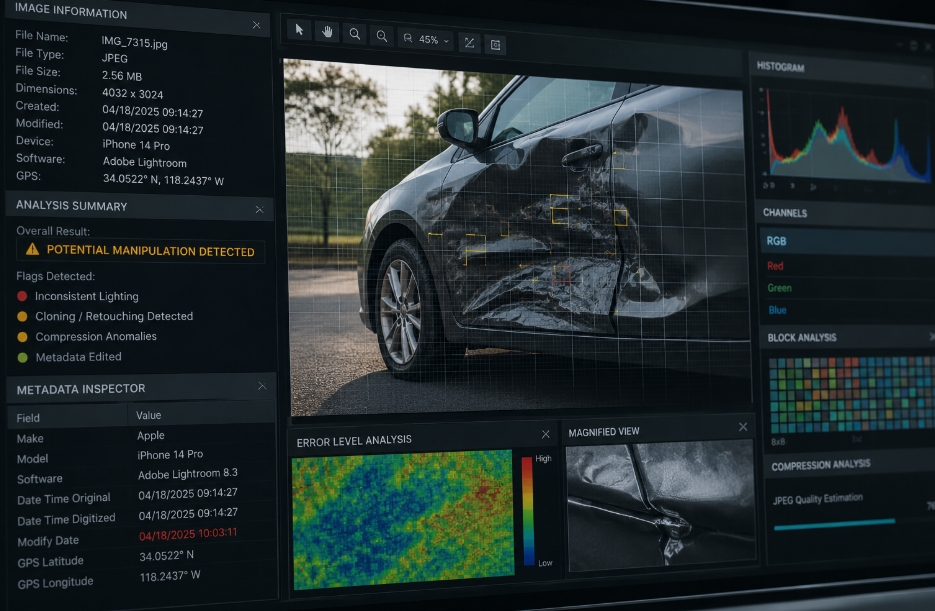
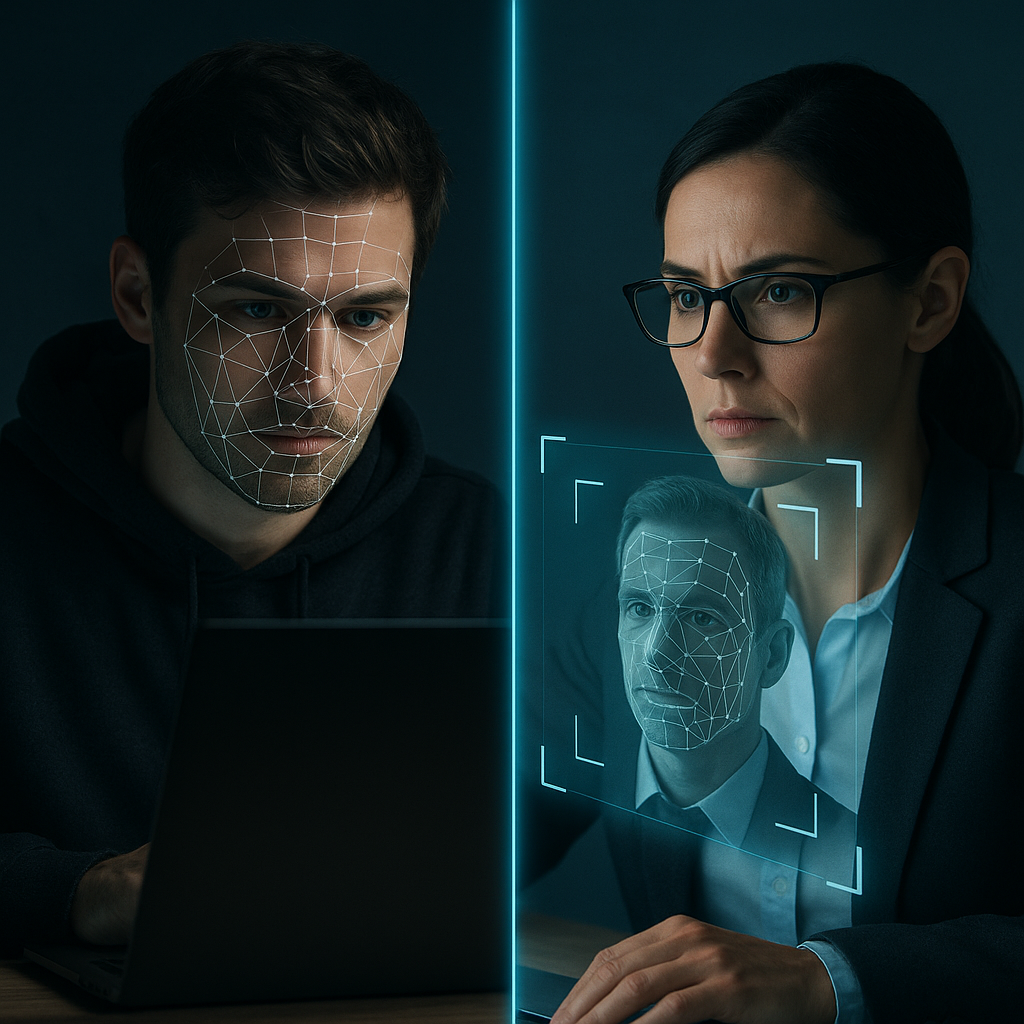
- Authenticity and preservation: Video can be edited, compressed, or manipulated. Investigators should request original recordings and available metadata rather than relying only on exported clips.
- Recording policies: Workplace monitoring laws vary by state. Notice and consent requirements may affect how employers collect and use footage. OSHA also prohibits retaliation against employees for reporting work-related injuries, so recording policies should not discourage injury reporting.
Ultimately, footage is only one piece of the evidence. Its source, accuracy, and limitations all matter when evaluating a claim.
What Should Claims Professionals Know About This Technology?
As wearable cameras and AI-powered safety tools become more common, claims professionals may encounter more video evidence during investigations. Knowing what to request and how to evaluate it can make a difference.
When an injury is reported, claims teams should determine whether relevant recordings exist and request that they be preserved. Some devices automatically overwrite older footage or have limited storage, so delays could result in losing potentially useful evidence.
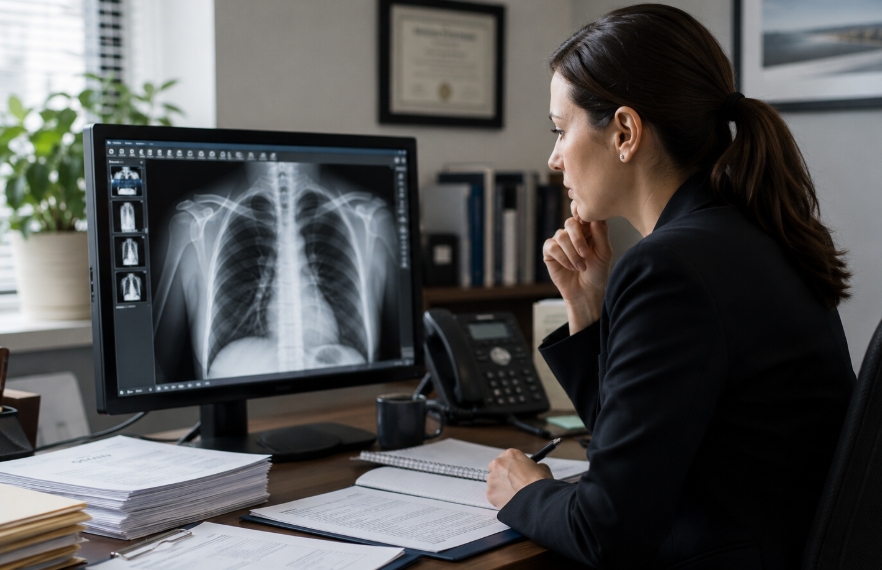
Other investigative findings can help put a recording into context. Recorded statements, scene inspections, medical records, and activity checks may confirm or raise questions about what the footage appears to show. Comparing video timestamps with the reported injury date and initial medical history can also help identify inconsistencies.
Technology does not replace a thorough investigation. Investigative findings remain important when questions about an injury, reported activity, or the circumstances of an incident remain unresolved. A trained investigator can evaluate available footage alongside other evidence and document findings that help support well-informed claims decisions.
Need answers beyond the footage? We offer a full suite of investigative services to help uncover the facts and support informed claims decisions. Talk to our team today.
Sources:
- Ali, Shahid, et al. “Benchmarking YOLOv8–YOLOv12 Models for Image-Space Near-Miss Detection in Construction Safety.” Frontiers in Built Environment, vol. 12, 12 June 2026, https://doi.org/10.3389/fbuil.2026.1827664.
- Chandra, Bilva, et al. Reducing Risks Posed by Synthetic Content: An Overview of Technical Approaches to Digital Content Transparency. NIST AI 100-4, National Institute of Standards and Technology, 20 Nov. 2024, https://doi.org/10.6028/NIST.AI.100-4.
- Cruz, Brett, and Gene Petrino. “2026 Smart Glasses Market Report and Adoption Statistics.” Security.org, 13 Aug. 2026, https://www.security.org/resources/smart-glasses-statistics-report/.
- Guttman, Barbara, Douglas R. White, and Tracy Walraven. Digital Evidence Preservation: Considerations for Evidence Handlers. NIST IR 8387, National Institute of Standards and Technology, Sept. 2022, https://doi.org/10.6028/NIST.IR.8387.
- Kitchell. “Safety Innovation: Transforming Job Site Observations with Meta Glasses.” Kitchell, https://www.kitchell.com/safety-innovation-transforming-job-site-observations-with-meta-glasses/.
- Occupational Safety and Health Administration. Incident [Accident] Investigations: A Guide for Employers. U.S. Department of Labor, Dec. 2015, https://www.osha.gov/sites/default/files/IncInvGuide4Empl_Dec2015.pdf.
- Occupational Safety and Health Administration. “1904.35 – Employee Involvement.” U.S. Department of Labor, https://www.osha.gov/laws-regs/regulations/standardnumber/1904/1904.35.
- Ray-Ban. “Discover Ray-Ban Meta AI Glasses.” Ray-Ban, https://www.ray-ban.com/usa/l/discover-ray-ban-meta-ai-glasses.
- Voxel. “AI That Keeps Your Workforce Safe.” Voxel, https://www.voxelai.com/safety.