Social Media Investigations: Dos and Don’ts
This blog explores what to collect, what to verify, and what to avoid in a social media investigation.
By Caroline Caranante | Nov 24, 2026 | 3 min. read
What you will find below:
- How to Define the Scope of a Social Media Review
- What to Preserve When a Public Post Matters
- What Photo Metadata and Disappearing Posts Can Tell You
- How to Respect Private Accounts and Verify Findings
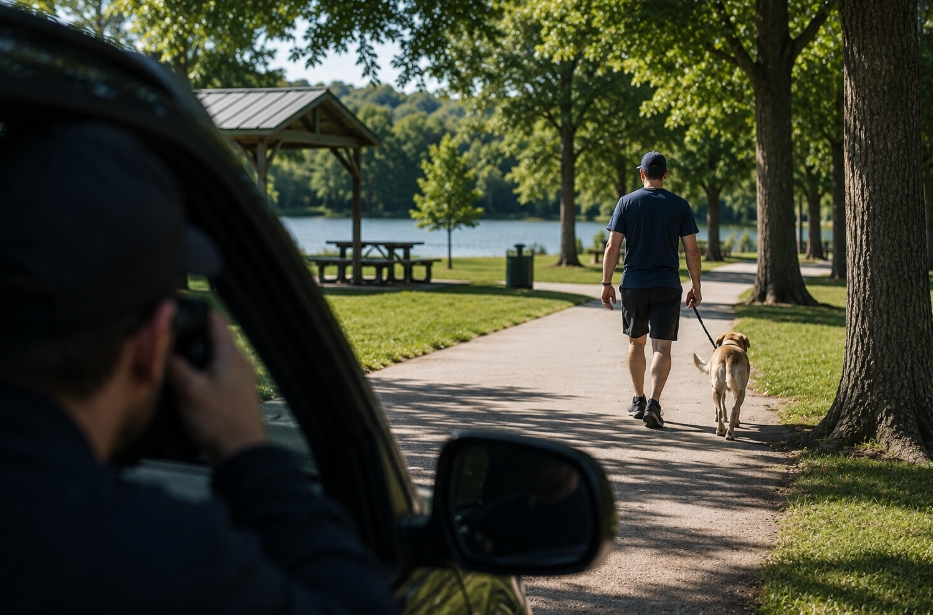
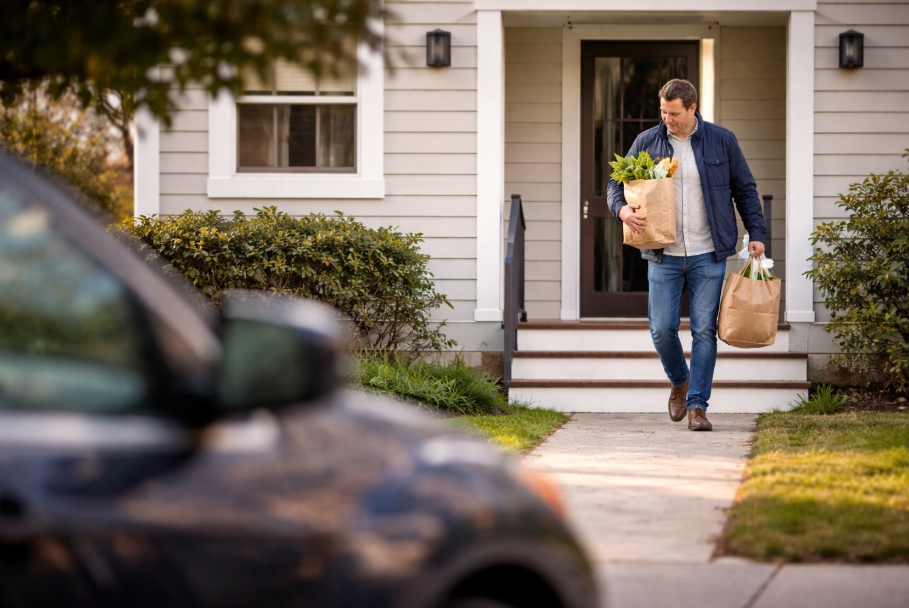
A photo posted on Saturday shows a claimant lifting a cooler. Was it taken Saturday? How heavy was the cooler? Does the activity conflict with a restriction in effect at the time? Each question needs its own answer. Social media investigations can uncover useful leads, but a post’s value depends on whether investigators can verify its source, timing, and context.
Dos for Social Media Investigations
Start With a Specific Claim Question in Social Media Investigations
Claims teams can narrow a review by identifying the fact they need to verify and the period that matters. If the question concerns a temporary lifting restriction, the investigator can focus on public content relevant to that restriction and its dates. That focus also helps the team explain why a particular post belongs in the claim file. The Scientific Working Group on Digital Evidence recommends collecting material relevant to the specific investigation and documenting how it was obtained.
Preserve the Post With its Context
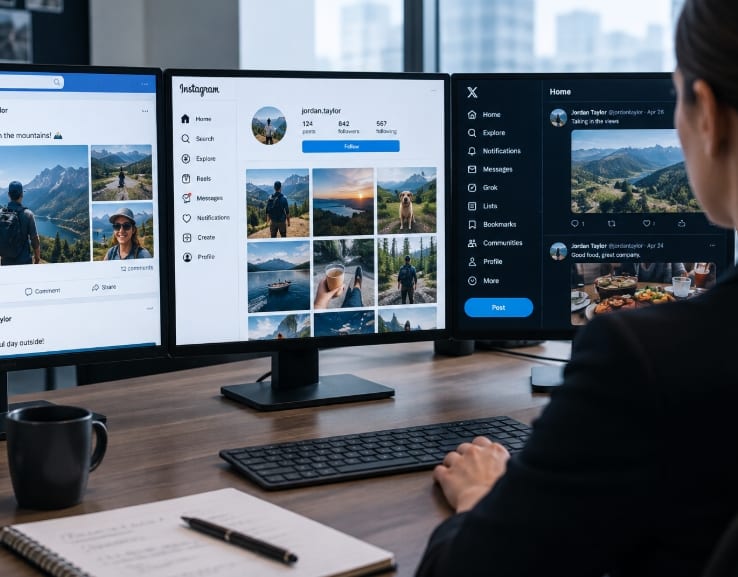
When a public post is relevant, investigators should preserve the visible account name, caption, and posting date alongside the image or video. They should also record the post URL, relevant surrounding content, and the date, time, and time zone of collection. These details help another reviewer establish what was visible and when it was captured.
A cropped image of someone lifting a cooler loses context that could matter, such as a caption identifying the photo as a throwback. Investigators should keep the original capture and document who collected it and how.
Corroborate Findings in Social Media Investigations
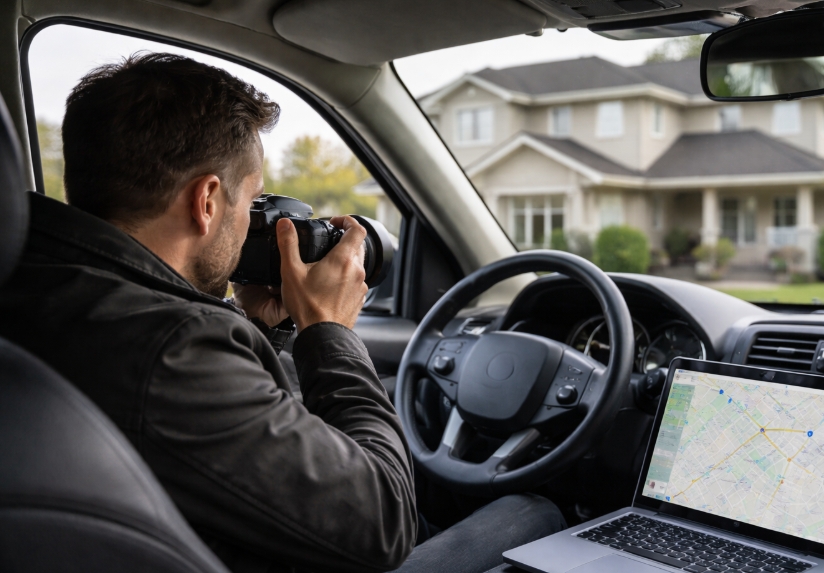
Social media content can help identify activity that warrants further investigation, but it rarely tells the whole story. Investigators should compare relevant posts with other available information, such as surveillance footage, claim records, or medical restrictions.
For example, a photo showing a claimant lifting a cooler may raise questions about physical capabilities, but additional documentation or surveillance may help establish what the activity involved. Corroboration gives claims teams a clearer picture before drawing conclusions.
Don’ts for Social Media Investigations
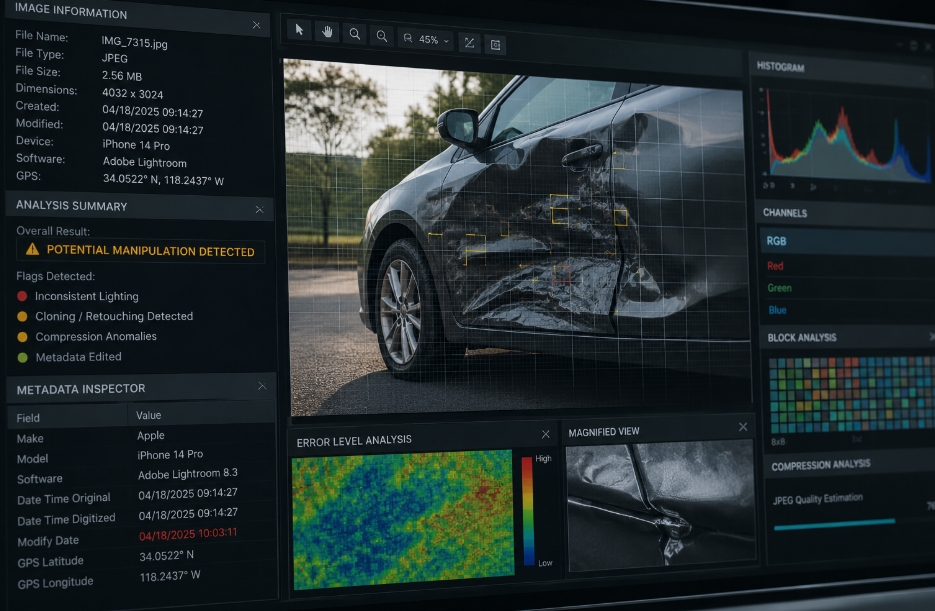
Don’t Rely on a Posted Photo for Original Metadata
Metadata is information associated with a file or a post. A camera may record details such as when a photo was taken or its GPS coordinates. Platforms can strip those details from the image they make public.
Investigators can still document visible post information, such as the account name, posting date, and location tag. However, these details don’t necessarily establish when or where the photo was taken. A posting date shows when the image appeared online, while a location tag identifies the location associated with the post. If either detail could affect the claim, investigators should seek corroboration or consult counsel about obtaining the original file.
Don’t Count on Disappearing Content Being Available Later
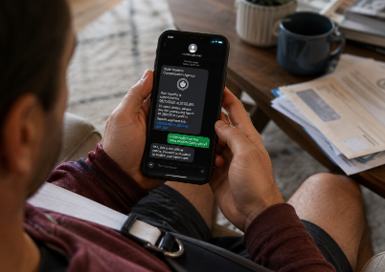
Snapchat says most Stories are set to expire after 24 hours, with exceptions depending on settings and how the content was shared or saved. Investigators can prioritize a relevant public Story for prompt capture while it is visible. Private Snaps and friends-only Stories are outside the scope of a routine public review. If a reported Story is unavailable, the investigator should record that limitation and leave its contents unverified.
Don’t Use Deceptive Methods to Access a Private Profile
Investigators conducting a public review should limit it to information visible to the public. Investigators should not use deception to get someone to accept a friend or follow request. The New York City Bar Association’s ethics opinion on obtaining social media evidence says lawyers and investigators acting on their behalf may not use false pretenses to gain access to a restricted profile. If private material could affect a litigated claim, counsel can assess the applicable rules and whether formal discovery is appropriate.
Verify Findings Before Drawing Conclusions in Social Media Investigations
Federal Rule of Evidence 901 requires parties to provide sufficient evidence to establish that an item is what they claim it is. Although the rule governs evidence presented in federal court, the same reasoning is useful when evaluating social media findings.
Claims teams should ask what connects the account to the person and what connects the activity to the relevant date. The claim file should explain what the post shows and what still needs verification before the team relies on it.
Social media investigations can help claims teams identify activity that warrants a closer look. However, a post should never tell the entire story on its own. Verifying the account, timing, and surrounding circumstances helps distinguish a useful investigative lead from information that could be misleading.
Need reliable social media evidence to support a claim? Explore our digital investigation services or connect with our team.
Sources:
- Embedded Metadata Initiative. “Social Media Sites Photo Metadata Test Results.” embeddedmetadata.org/social-media-test-results.php.
- Government Publishing Office. “Rule 901. Authenticating or Identifying Evidence.” United States Code, 2024 ed., GovInfo.
- New York City Bar Association. “Formal Opinion 2010-02: Obtaining Evidence from Social Networking Websites.” 17 Oct. 2010, nycbar.org.
- Scientific Working Group on Digital Evidence. Best Practices for Acquiring Online Content. Version 1.1, 15 Mar. 2024, swgde.org.
- Snap Inc. “When Does Snapchat Delete Snaps and Chats?” Snapchat Support, help.snapchat.com.