Life Insurance Fraud: Types, Signs, and How to Detect It
Learn the four types of life insurance fraud, common red flags, and how claims teams can verify applications, policy changes, and death claims.
By Caroline Caranante | Nov 18, 2026 | 3 min. read
What you will find below:
- Four Types of Life Insurance Fraud
- How Digital Processes Changed Verification
- Warning Signs That Warrant a Closer Look
- Records and Tools That Help Verify a Claim
A life insurance claim can look straightforward even when the problem began years earlier. The application may contain a material omission, or the policy history may show a beneficiary change the owner never authorized. When something conflicts with the claim, the original application and policy history can help claims professionals pinpoint what needs verification.
Four Types of Life Insurance Fraud
The four most common types of life insurance fraud involve misrepresenting information on an application, falsifying death claims, forging policy documents, or collecting premiums for coverage that was never issued. Each can create financial losses for insurers and complicate legitimate claims.
- Application fraud involves deliberately misstating or withholding information that could affect coverage or pricing, such as tobacco use or a medical condition. In RGA and MIB’s 2024 survey of U.S. life insurers, respondents ranked false or incomplete medical information as their top fraud concern.
- Death claim fraud can involve falsely reporting that the insured died or deliberately misrepresenting the circumstances of a real death.
- Forgery can involve a false signature or document used to change the policy owner or beneficiary without authorization.
- Phony policy fraud can involve collecting premiums for coverage a carrier never issued. A policy that appears in the carrier’s system can also warrant review if someone used another person’s identity to obtain it.
In a 2025 case, the U.S. Department of Justice reported that a Maryland couple obtained more than 40 policies by misrepresenting applicants’ health, finances, and existing coverage. The couple also used forged signatures to change policy ownership and beneficiaries.
How Digital Processes Changed Verification
The shift to remote applications and digital underwriting has created new opportunities for life insurance fraud. While digital processes make applying for coverage faster and more convenient, they can also create challenges when verifying identities and information.
Three factors help explain why digital processes can create opportunities for fraud:
- Incentive: Digital applications make it easier to apply for coverage without face-to-face interactions. Someone seeking lower premiums or faster approval may be tempted to omit a medical condition, tobacco use, or other information that could affect eligibility.
- Opportunity: Digital applications and accelerated underwriting can create openings for identity theft and false information. Someone could use another person’s personal details, submit false identification, or arrange for someone else to complete a medical exam.
- Perceived risk: Fraud becomes more appealing when someone believes the deception is unlikely to be discovered. If applicants assume information will not be independently verified, they may feel less likely to get caught.
These factors can overlap, making verification especially important. Confirming identities, comparing information across records, and following up on inconsistencies can help claims professionals identify potential fraud.
Warning Signs That Warrant a Closer Look
Conflicting dates, signatures, or addresses can signal that more information is needed. For example, if a beneficiary changes shortly before a claim, policy records can help confirm when the change was requested and approved. Holding multiple policies is not necessarily suspicious. However, if an applicant failed to disclose existing coverage when asked, that discrepancy may warrant further review.
When an insured dies abroad, verifying the death record can require additional steps. The U.S. Department of State explains that foreign death certificates are issued by local authorities under their own rules. Claims teams should confirm who issued the certificate, whether it can be authenticated, and whether the information matches the insured.
Records and Tools That Help Verify a Claim
Medical records and prescription histories can help confirm whether reported treatment matches the claim file. Public records can help verify addresses and business connections, while travel records may help establish someone’s location at a particular time. Online searches can also uncover information that claims professionals may need to verify through original records.
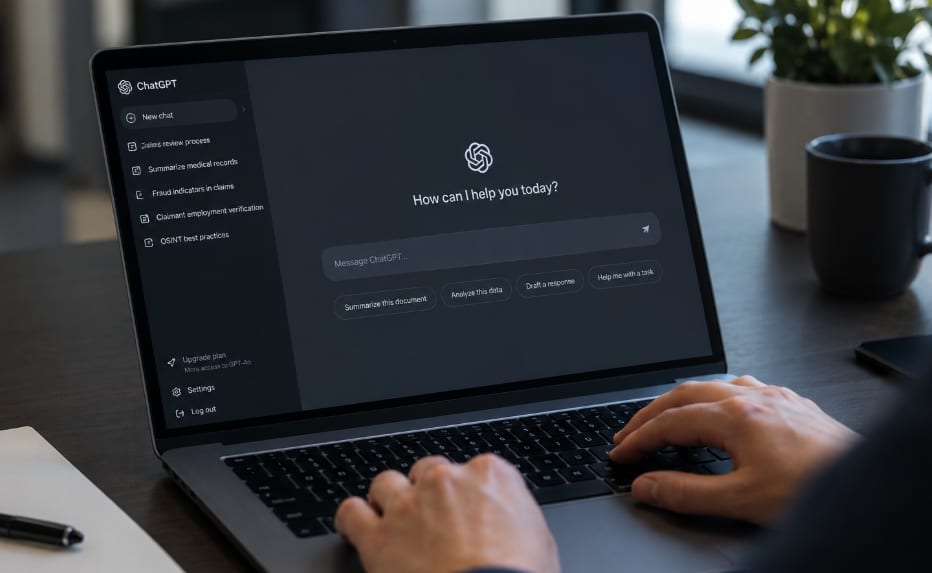
Analytics and AI-assisted tools can help identify repeated details or inconsistencies across claim files. Claims teams can review the original records to determine whether those findings are accurate, then document what was confirmed and what still needs follow-up. This creates a clearer record of the evidence and helps support informed claim decisions.
Our most recent webinar explored life insurance fraud. To learn more about emerging industry topics, register for our upcoming CE courses.
Sources:
- MIB. “Results from the MIB/RGA 2024 US Life Insurance Fraud Survey.” 28 Oct. 2024. mibgroup.com.
- U.S. Department of Justice. “Maryland Woman Convicted in $20M Insurance Fraud Scheme.” 12 Mar. 2025. justice.gov.
- U.S. Department of State. “Death Abroad.” travel.state.gov.