Jury Pool Investigations: Legal and Ethical Limits
Learn the legal and ethical limits of jury pool investigations, including privacy concerns, court rules, and best practices for fair jury selection.
By Caroline Caranante | Oct 29, 2026 | 3 min. read
What you will find below:
- Legal Limits of Jury Pool Investigations
- Investigative Methods that May Cross Ethical Boundaries
- Best Practices for Protecting Juror Privacy and Fair Juror Selection
Jury pool investigations help legal teams identify potential bias, undisclosed history, and other information that may affect jury selection. However, not every investigative method is appropriate. Research must follow applicable laws, court rules, and ethical guidelines while protecting juror privacy and the right to a fair trial.
What Can Jury Pool Investigations Legally Uncover?
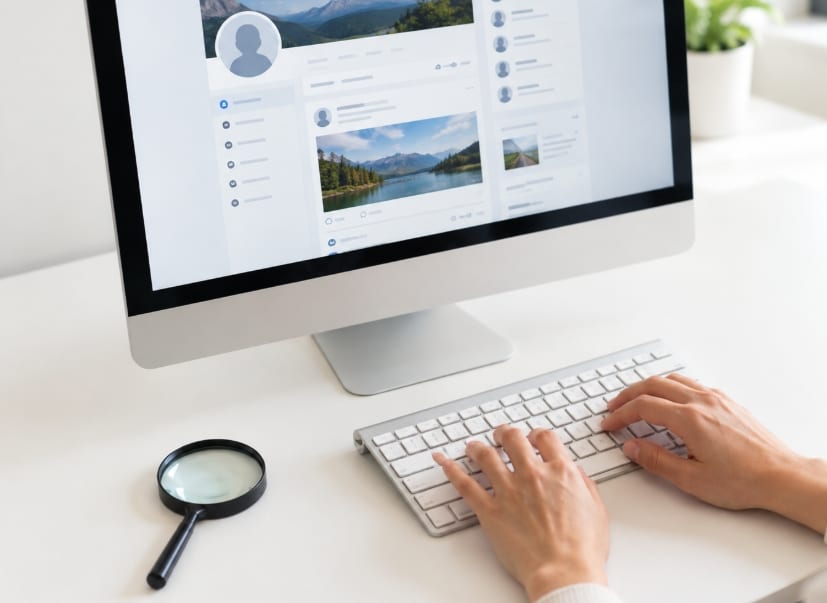
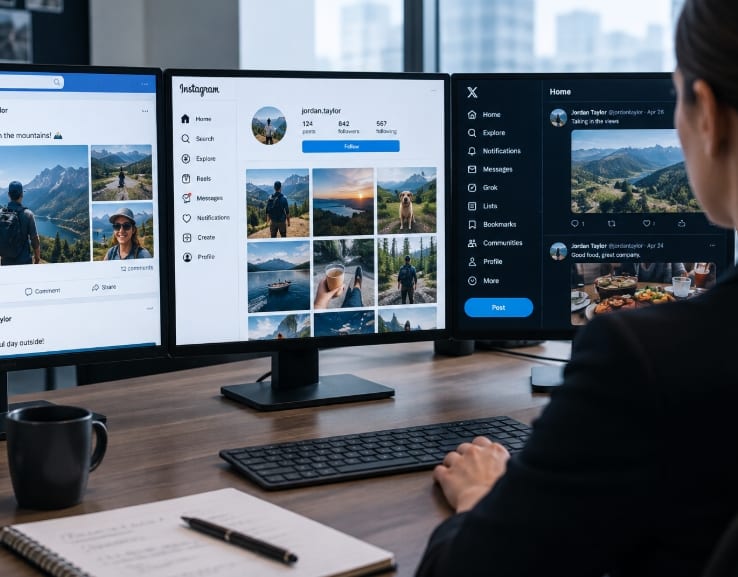
Jury pool investigations can generally include publicly available information, unless a law or court order says otherwise. The American Bar Association advises that lawyers may review a potential juror’s online presence as long as they follow applicable laws and court restrictions.
Some states have additional requirements. For example, Missouri requires parties to search the state’s Case.net system to preserve certain claims that a juror failed to disclose past lawsuits. Any concerns must be raised before the jury is sworn.
Public records still require verification. Common names, outdated information, and database errors can lead to false matches. Investigators should confirm identities using multiple details and document the source of each finding. This helps attorneys evaluate the information before making decisions about jury selection.
When Does Jury Research Go Too Far?
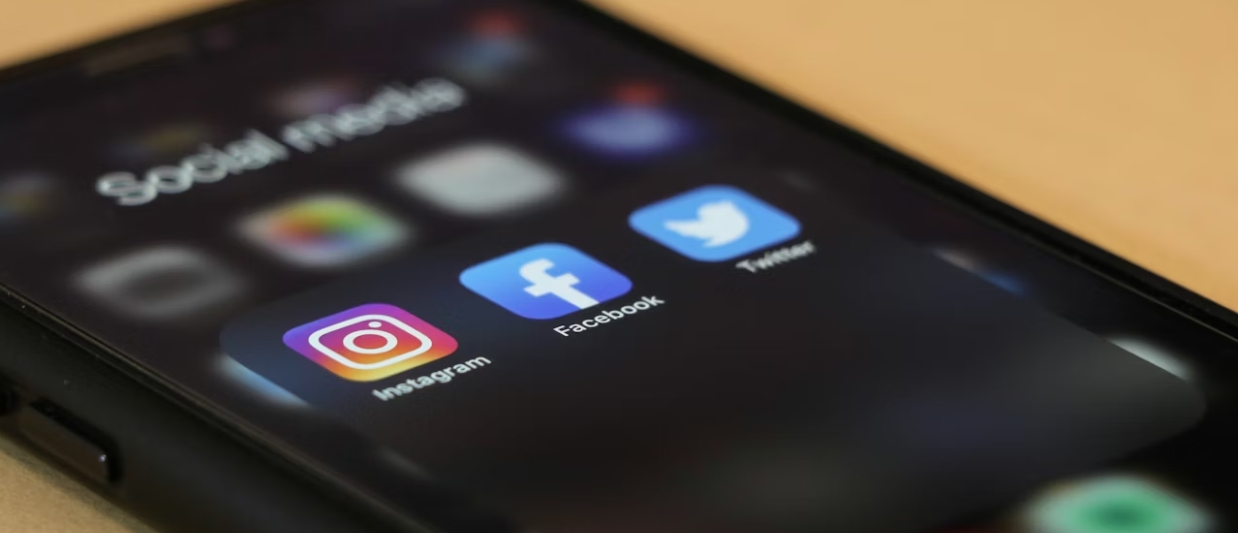
Jury research crosses the line when it involves deception, unwanted contact, or attempts to access private information. The American Bar Association advises that lawyers cannot send friend requests or similar access requests to obtain information a juror has not made public. Court rules may impose additional restrictions on investigators and other third parties working for attorneys.
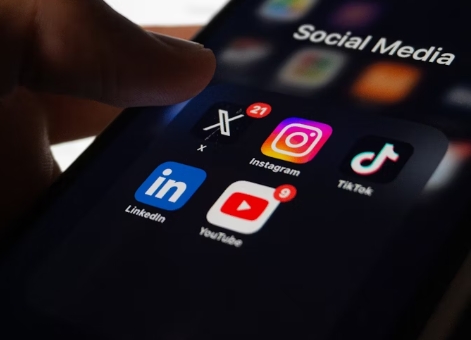
Social media notifications can also create ethical concerns. Some platforms notify users when someone views their profile, which can alert a potential juror that an attorney is researching them. The American Bar Association says these automatic notifications do not count as direct communication from the lawyer. However, the New York City Bar and the New York County Lawyers’ Association take a stricter approach, cautioning that these notifications may raise ethical concerns.
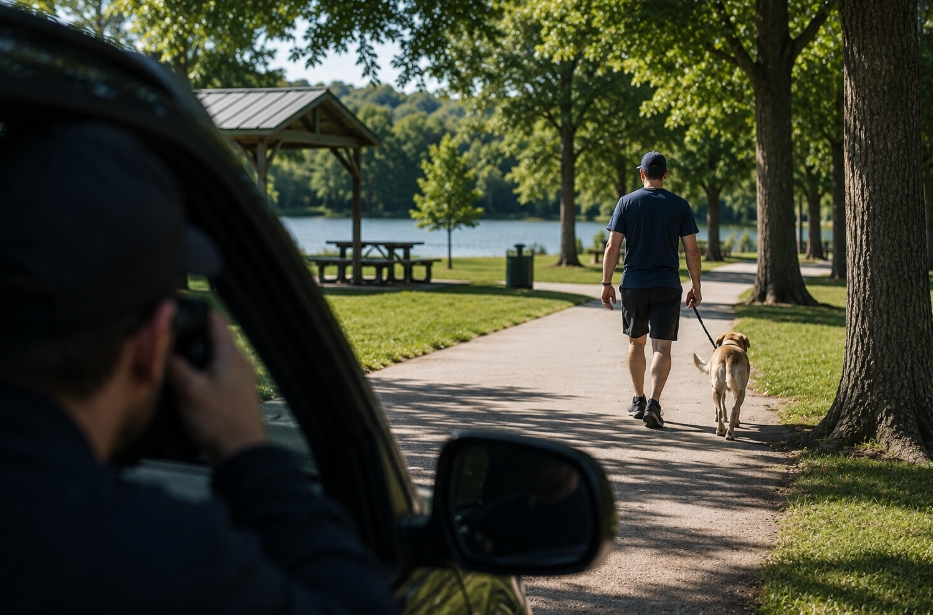
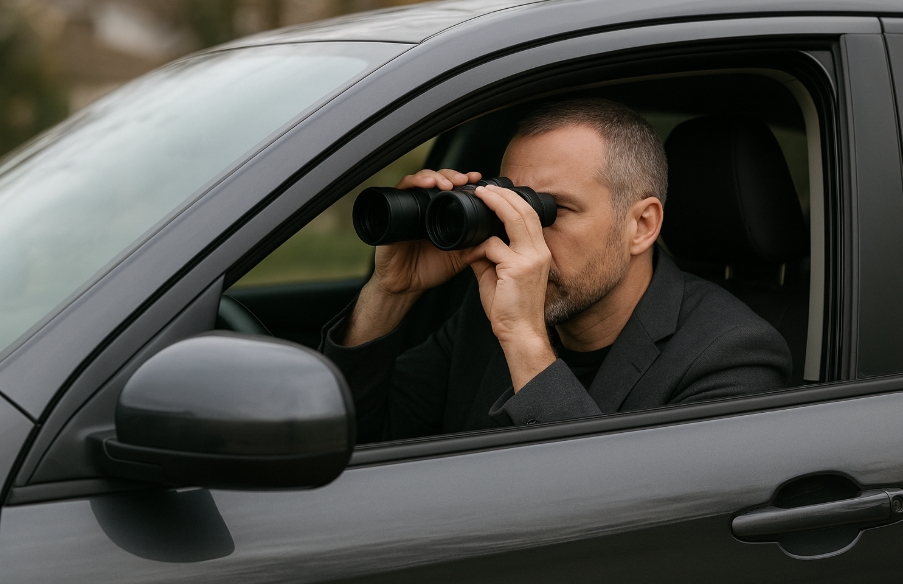
Some courts impose even tighter limits. Judge William Orrick of the Northern District of California prohibits LinkedIn research on prospective jurors, including through anonymous accounts, because profile views may trigger notifications. His standing order also prohibits in-person surveillance of a prospective juror’s home, neighborhood, or workplace. These restrictions apply to investigators, consultants, and other people working for a party.
The consequences can be significant. On October 28, 2025, in Contour IP Holding, LLC v. GoPro, Inc., Judge Orrick sanctioned law firm Alston & Bird $10,000 after an investigator hired by a jury consultant used LinkedIn in violation of the standing order. The firm had not informed the consultant about the restriction.
Harassment and intimidation are also off-limits. Investigators should never pressure or attempt to influence prospective or seated jurors. For example, Minnesota’s professional conduct rules prohibit vexatious or harassing investigations of jurors and prospective jurors, including their family members.
Why Do Court Rules and Juror Status Matter?
The rules for jury pool investigations depend on the court, jurisdiction, and stage of the case. The American Bar Association provides general ethical guidance, but local court rules and standing orders may impose stricter limits. Requirements also vary by state, so legal teams should review the rules that apply to each case.
Restrictions may also change once a juror is seated. The New York County Lawyers’ Association, for example, allows lawyers to view a seated juror’s public posts but prohibits actions that alert the juror to the monitoring.
Investigators must also know how to handle serious findings. The American Bar Association advises that if research uncovers evidence of criminal or fraudulent juror misconduct, lawyers must take reasonable steps to address it. That may include notifying the court.
How Can Investigators Help Protect a Fair Trial?
Responsible jury pool investigations focus on relevant facts, verified information, and lawful research methods. The goal is to help attorneys evaluate potential jurors without introducing bias or compromising the fairness of jury selection.
Investigators can help support a fair process by following these practices:
- Check the rules first: Review applicable court orders, local rules, and attorney instructions before starting research.
- Use appropriate sources: Focus on public information and follow restrictions on tools or methods that may notify a juror.
- Verify every finding: Confirm identities and document the source, date, and link for relevant information.
- Keep reports focused: Report facts relevant to the case rather than relying on protected personal characteristics or unverified allegations.
- Escalate serious concerns: Refer possible juror misconduct to the supervising attorney for review.
Responsible Jury Pool Investigations Support Fair Trials
Jury pool investigations can help legal teams make informed decisions during jury selection. The key is to gather relevant, verified information without crossing legal or ethical boundaries. Reviewing court-specific restrictions before research begins helps protect juror privacy, support impartial jury selection, and reduce the risk of costly mistakes.
Looking for investigations that help uncover the full picture? We provide comprehensive investigative solutions that give claims and legal teams the information they need to make confident decisions. Connect with our team to learn more.
Sources:
- American Bar Association. “ABA Issues Formal Ethics Opinion on Discrimination in the Jury Selection Process” (Formal Opinion 517). 9 July 2025. https://www.americanbar.org/news/abanews/aba-news-archives/2025/07/aba-issues-formal-opinion-517/
- American Bar Association, Standing Committee on Ethics and Professional Responsibility. Formal Opinion 466: Lawyer Reviewing Jurors’ Internet Presence. 24 Apr. 2014. https://nys-fjc.ca2.uscourts.gov/programs/10-23-19%20-%20ABA%20Formal%20Opinion%20466%20-%202014.pdf
- Berman, Michael. “Attorneys Sanctioned for Social Media Research on Prospective Jurors.” EDRM, Nov. 2025 (cites Contour IP Holding, LLC v. GoPro, Inc., No. 17-cv-04738-WHO (N.D. Cal. Oct. 28, 2025)). https://edrm.net/?p=223578
- New York City Bar Association. Formal Opinion 2012-2: Jury Research and Social Media. 2012. https://www.nycbar.org/reports/formal-opinion-2012-2-jury-research-and-social-media/
- New York County Lawyers’ Association. Formal Opinion 743. 18 May 2011. https://www.nycla.org/resource/ethics-opinion/nycla-committee-on-professional-ethics-formal-opinion-on-lawyer-investigation-of-juror-internet-and-social-networking-postings-during-conduct-of-trial/
- Supreme Court of Missouri. Rule 69.025: Juror Nondisclosure. https://www.courts.mo.gov/page.jsp?id=199721
- U.S. District Court for the District of Idaho. Local Civil Rule 47.2: Social Media Juror Inquiries. https://www.courtrules.net/courts/federal/district-idaho/local-rules/loc-civ-r-47-2
- Weiss, Debra Cassens. “Why Federal Judge Fined Alston & Bird $10K for Conducting Jury Research on LinkedIn.” ABA Journal, 2025. https://www.abajournal.com/news/article/why-federal-judge-fined-alston-bird-10k-for-conducting-jury-research-on-linkedin