New Hire Fraud: Growing Risk for Insurers
New hire fraud is exposing weaknesses in employee screening. Learn how fraudulent workers bypass background checks and what employers and insurers should know.
By Caroline Caranante | Nov 4, 2026 | 3 min. read
What you will find below:
- How Stolen Identities and AI are Used in Hiring Fraud
- What Recent Investigations Reveal About Fraudulent Employees
- Why Background Checks May Not Establish an Applicant’s Identity
- How Employers and Investigators Can Recognize Warning Signs
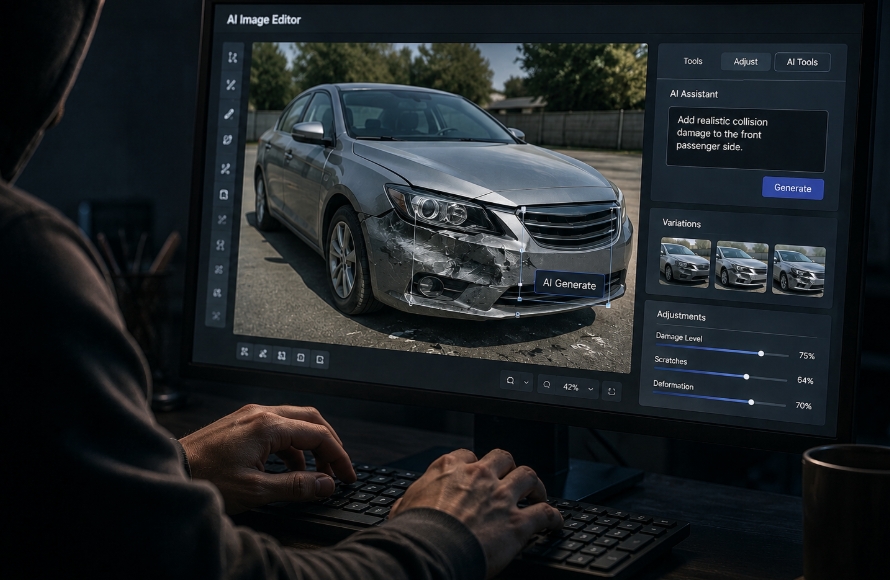
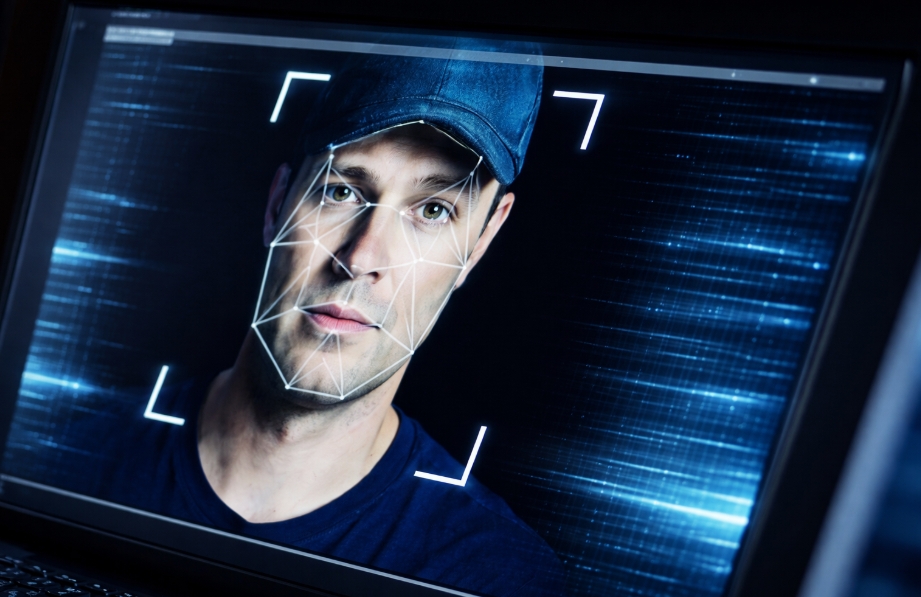
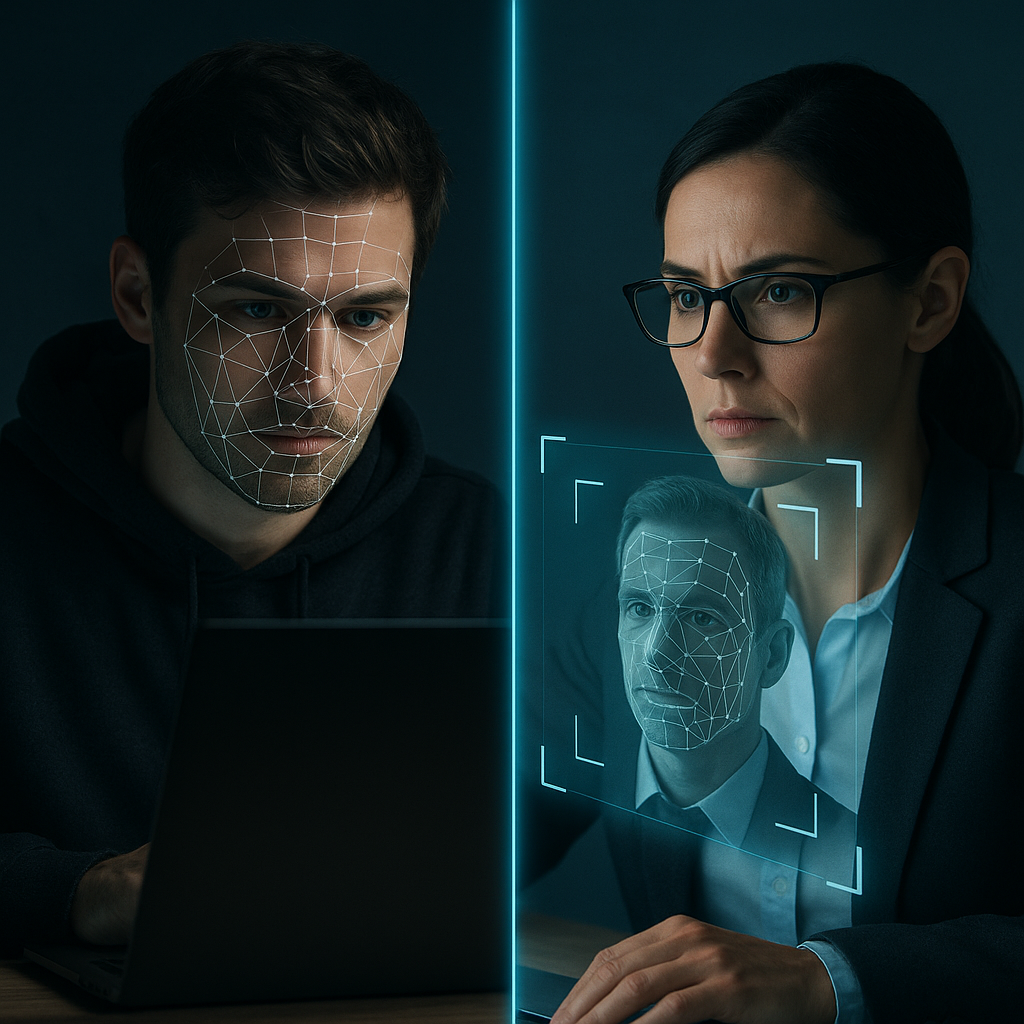
In 2024, cybersecurity company KnowBe4 hired a software engineer who wasn’t who he claimed to be. The company conducted four video interviews, background checks, and reference checks. Everything appeared legitimate. However, the new employee was using a stolen identity and an AI-modified photograph.
The fraud was discovered after the employee’s company-issued computer triggered security alerts. KnowBe4 contained the incident before company data was compromised.
The case exposed an important weakness in traditional hiring practices: verifying someone’s employment history is not the same as verifying their identity.
For employers, insurers, and claims professionals, that distinction can have significant investigative implications.
What Does New Hire Fraud Look Like?
New hire fraud occurs when someone uses false information or a fraudulent identity to obtain employment. Remote hiring and artificial intelligence have created additional opportunities for impersonation.
Fraudulent applicants may use stolen identities, AI-altered photographs, or accomplices who participate in interviews on their behalf.
Some operations continue after employment begins. Fraudulent remote workers may use “laptop farms,” where company-issued computers remain at U.S. addresses while individuals overseas access them remotely.
An April 2026 Department of Justice announcement illustrates the scale these operations can reach. Federal prosecutors described a scheme involving the stolen identities of at least 80 Americans and remote jobs at more than 100 U.S. companies. The operation generated over $5 million in illicit revenue for North Korea.
The case demonstrates how fraudulent employment can involve coordinated activity extending well beyond the initial application.
How Widespread Is Hiring Fraud?
Research has begun to quantify hiring fraud, although its overall prevalence remains difficult to establish.
A 2025 Gartner survey of 3,000 job candidates found that 6% admitted to interview fraud. This included impersonating another candidate or having someone else participate in an interview on their behalf.
Gartner also predicts that one in four candidate profiles worldwide will be fake by 2028.
That prediction concerns candidate profiles, not necessarily people who successfully obtain employment. It is a forecast rather than a documented current fraud rate.
These findings underscore the importance of reliable identity verification throughout the hiring process.
Why Aren’t Background Checks Enough?
Traditional background checks can verify employment history, education, and other records without confirming that the applicant actually owns the identity being examined.
The KnowBe4 incident demonstrated this distinction. The stolen identity belonged to a real person, allowing conventional screening to return legitimate information.
Warning signs may also emerge outside the background investigation.
In a July 2025 advisory, the FBI identified several indicators associated with fraudulent remote workers, including inconsistencies in identity documents, unusual equipment shipping arrangements, and questionable payment information.
For example, an employee might request equipment delivery to an address that differs from their identification documents. Frequent changes to banking information may also warrant additional scrutiny.
These discrepancies do not automatically establish fraud. However, they provide reasons to verify information more carefully.
Effective employee identity verification requires examining information across the hiring and onboarding process rather than relying on background checks alone.
Why Should Insurers and Claims Professionals Care?
New hire fraud can produce substantial financial losses and complicate investigations involving employee misconduct.
The April 2026 DOJ case demonstrated these consequences. Federal prosecutors reported that affected companies incurred at least $3 million in legal fees, computer network remediation costs, and other damages.
Fraudulent workers also gained access to sensitive employer information, including proprietary data and source code.
For insurers and claims professionals, these cases highlight the importance of reliable employment records and supporting evidence.
Investigations involving suspected employee misconduct may require reviewing identity documents, employment histories, payroll records, and financial transactions. Comparing information across these sources can help establish facts and identify inconsistencies.
Accurate employment information is also important in workers’ compensation investigations. Questions about an individual’s identity may require additional verification of employment or payroll records, although identity discrepancies alone do not establish claim fraud.
The broader lesson is that identity verification can remain relevant long after the hiring process ends.
How Can Employers Prevent New Hire Fraud?
Preventing new hire fraud requires identity verification beyond the initial background check.
The FBI recommends closely examining identification documents, verifying employment and education directly with the relevant organizations, and conducting in-person verification when practical.
Employers should also confirm equipment shipping addresses and examine payment information for unusual patterns.
Communication between HR, IT, security, and legal teams can help identify discrepancies that might otherwise go unnoticed.
When fraudulent employment is suspected, organizations should preserve relevant records and involve appropriate internal security and legal personnel. Suspected criminal activity can also be reported to the FBI.
Independent investigative services can support these efforts by verifying information, examining inconsistencies, and documenting findings.
Strengthening Employee Identity Verification
The KnowBe4 incident demonstrates that established hiring procedures can fail when identity verification is incomplete.
For employers and insurers, confirming that employment records are legitimate is only part of the process. Organizations must also establish that those records belong to the person being hired.
Ethos offers a full suite of investigative services to help organizations verify information, investigate potential fraud, and make informed decisions. Explore our investigative solutions to learn more.
Sources:
- Gartner. “Gartner Survey Shows Just 26% of Job Applicants Trust AI Will Fairly Evaluate Them.” Gartner, 31 July 2025, https://www.gartner.com/en/newsroom/press-releases/2025-07-31-gartner-survey-shows-just-26-percent-of-job-applicants-trust-ai-will-fairly-evaluate-them
- Sjouwerman, Stu. “How a North Korean Fake IT Worker Tried to Infiltrate Us.” KnowBe4, 23 July 2024, https://blog.knowbe4.com/how-a-north-korean-fake-it-worker-tried-to-infiltrate-us
- United States, Department of Justice. “Two U.S. Nationals Sentenced for Facilitating Fraudulent Remote Information Technology Worker Scheme that Generated $5M in Revenue for the Democratic People’s Republic of Korea.” U.S. Department of Justice, 15 Apr. 2026, https://www.justice.gov/opa/pr/two-us-nationals-sentenced-facilitating-fraudulent-remote-information-technology-worker
- United States, Federal Bureau of Investigation. “North Korean IT Worker Threats to U.S. Businesses.” Federal Bureau of Investigation, 23 July 2025, https://www.fbi.gov/investigate/cyber/alerts/2025/north-korean-it-worker-threats-to-u-s-businesses