Rural Hospital Closures: Impact on Case Management
Discover how rural hospital closures can disrupt workers’ comp care and what claims teams can do to keep referrals, records, and follow-ups on track.
By Caroline Caranante | Nov 23, 2026 | 3 min. read
What you will find below:
- How Rural Hospital Closures Can Change Access to Care
- How to Confirm Which Services Are Still Available
- What to Check Before Redirecting a Referral
- How to Keep Records and Work Restrictions Current
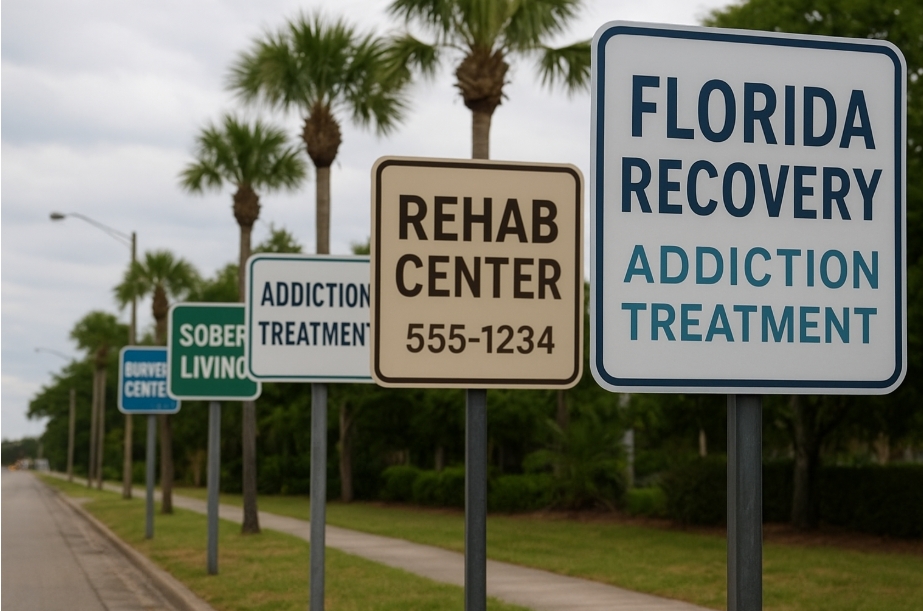
Rural hospital closures are creating new challenges for patients who depend on nearby facilities for essential medical services. Between 2017 and 2024, 62 rural hospitals closed while only 10 opened, resulting in a net loss of 52 hospitals. As facilities close or eliminate certain services, rural residents may need to travel farther to access treatment, rehabilitation, and follow-up care.
For injured workers, these changes can complicate an already established treatment plan. A hospital closure may mean finding a new physical therapy provider, rescheduling a follow-up appointment, or traveling farther for specialized care. For claims professionals and nurse case managers, the priority is making sure these disruptions do not create unnecessary delays in treatment or recovery.
How Rural Hospital Closures Change Access to Care
A 2026 study from the Workers Compensation Research Institute (WCRI) found that rural hospital closures made it harder for injured workers to access emergency care. Workers in affected areas traveled an average of five miles farther to reach an emergency department, while emergency care use on the day of injury declined by 3.6 percentage points. Among workers who already lived farther from nearby hospitals, emergency care use declined by more than 10 percentage points.
The study also found that care shifted to other settings, including physician offices and outpatient facilities. Researchers found increases in office visits, physical medicine services, and major surgeries performed outside hospitals. Despite these changes, hospital closures had little effect on overall medical payments, indemnity payments, or the duration of temporary disability benefits.
A separate 2026 study examining hospital closures in Texas found that rural communities were more likely than metropolitan areas to experience longer travel times to emergency departments. Among affected areas, small towns experienced an average increase of about five minutes to the nearest emergency department compared with metropolitan areas. The findings illustrate how losing a nearby hospital can create additional travel barriers for residents who need timely medical care.
How Claims Teams Can Keep Follow-Up Care on Track
The next scheduled visit can help claims teams and nurse case managers identify where a hospital closure may disrupt ongoing treatment. A physical therapy appointment, surgical follow-up, and work-status evaluation may each require a different provider or facility. By reviewing upcoming appointments against the current treatment plan, the claims team can determine which services need a new provider, which appointments need to be rescheduled, and where follow-up is most urgent.
Confirm Which Services Are Still Available
The Government Accountability Office defined a closure as the end of inpatient services. A site can therefore count as closed while still offering some care. A nurse case manager can call the facility to confirm whether the worker’s specific service is still available, whether an existing appointment is still on the schedule, and where to direct records requests.
Check Whether the Replacement Referral Is Workable
Imagine a worker recovering from shoulder surgery learns that the hospital’s physical therapy department has closed. A nearby clinic offers physical therapy, but the nurse case manager needs to confirm that it can provide the prescribed postoperative care and has an available appointment. The claims professional can then determine whether the change requires a new authorization.
The worker’s transportation needs and availability should also be considered, especially if treatment requires multiple visits each week. If the new clinic cannot accommodate the recommended schedule, the treating provider can help determine the next step.
Transfer Records and Confirm Who Updates Work Restrictions
If the worker transfers to a new provider, the nurse case manager can confirm that the receiving office has the referral, relevant treatment notes, and current work restrictions before the first appointment. The claims professional can document who will provide the next work-status update and when it is expected. This helps ensure that any changes to the worker’s restrictions are communicated before the employer makes decisions about modified duty.
Before the transition is complete, the worker should know where to go, when the appointment is scheduled, and whom to contact if plans change. The claims team can then follow up with the new provider to confirm that the appointment took place and obtain any updated treatment recommendations or work restrictions.
Need medical case management support for a disrupted care plan? Connect with our team today.
Sources:
- Bellard, Annabella, et al. “Recent Rural Hospital Closures and Service Disruptions in the United States: A Rapid Systematic Review.” Hospitals, vol. 3, no. 2, 2026, article 11, https://doi.org/10.3390/hospitals3020011.
- Mullens, Cody Lendon, et al. “Changes in Surgical Quality and Access after Rural Hospital Closures.” Health Affairs Scholar, vol. 3, no. 5, 2025, article qxaf089, https://doi.org/10.1093/haschl/qxaf089.
- Savych, Bogdan, and Olesya Fomenko. Impact of Hospital Closures on Access to Care and Claim Outcomes. Workers Compensation Research Institute, 30 Apr. 2026, www.wcrinet.org/reports/impact-of-hospital-closures-on-access-to-care-and-claim-outcomes.
- Zheng, Huiwen, Scott Horel, and Christine Crudo Blackburn. “Hospital Closures Increase Emergency Care Travel Time: Rural-Urban Disparities.” INQUIRY: The Journal of Health Care Organization, Provision, and Financing, vol. 63, 2026, https://doi.org/10.1177/00469580261454514.