How to Verify AI-Altered Evidence in Claims
Learn how AI-altered photos, receipts, and medical records can affect insurance claims and how claims investigations help verify evidence.
By Caroline Caranante | Oct 21, 2026 | 3 min. read
What you will find below:
- Common Types of AI-Altered Evidence
- How Claims Professionals Can Verify Evidence
- Why Claims Investigations Matter
- Guide for Claims Teams When Handling Suspicious Evidence
Claims professionals can verify potentially AI-altered evidence by comparing it with independent sources such as businesses, medical providers, physical inspections, and other verified information. Generative AI makes it easier to alter photos, receipts, and medical records, so a file that looks legitimate does not necessarily reflect what happened.
What Types of Claim Evidence Can AI Alter?
AI can alter or fabricate several types of evidence used in insurance claims. These include:
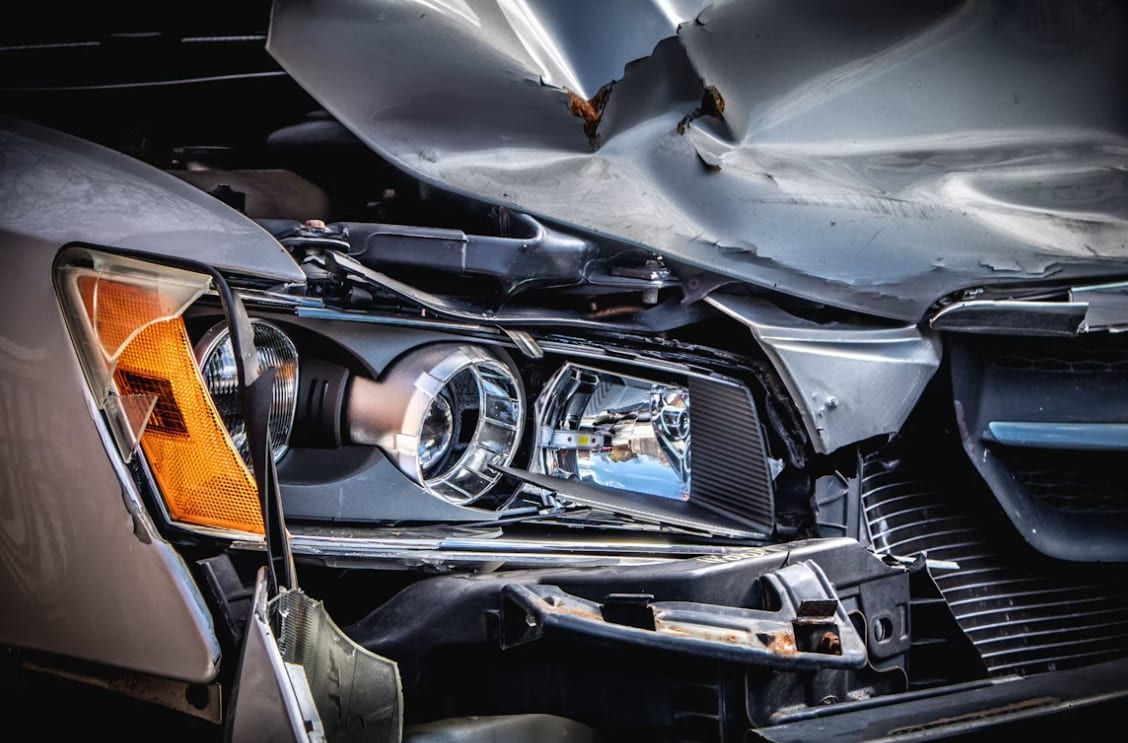
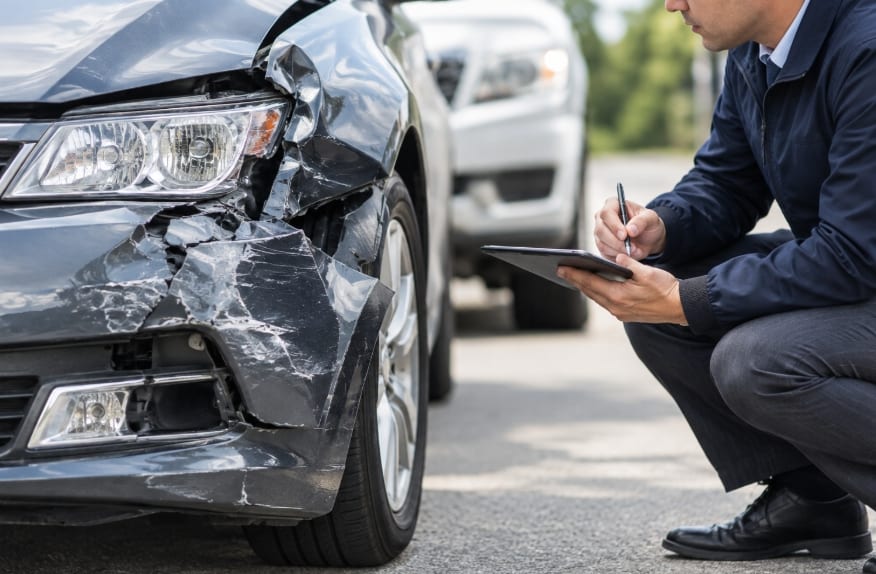
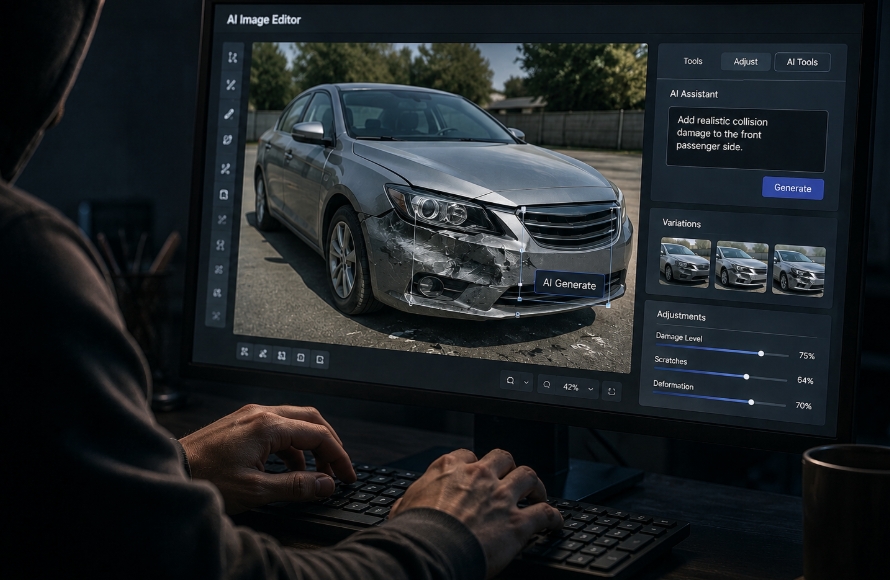
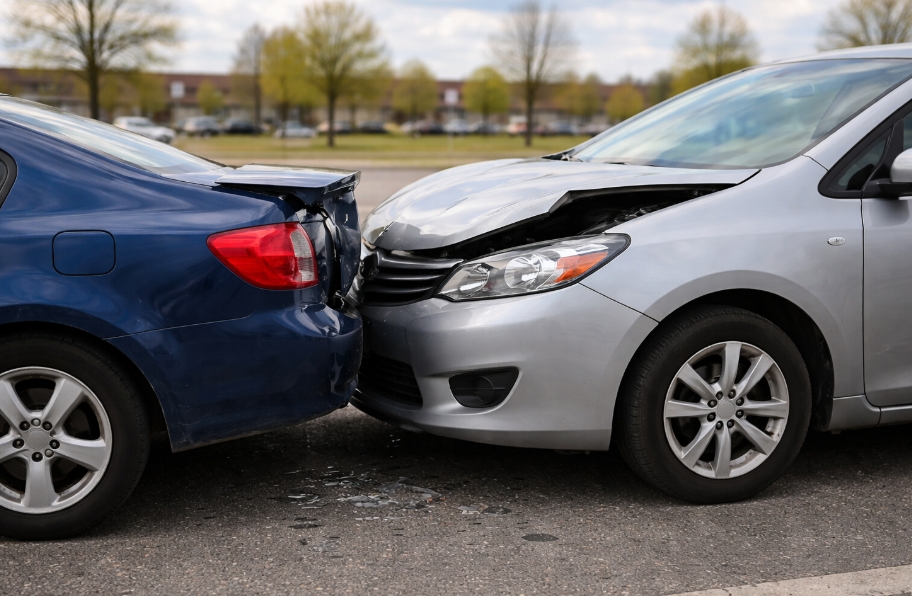
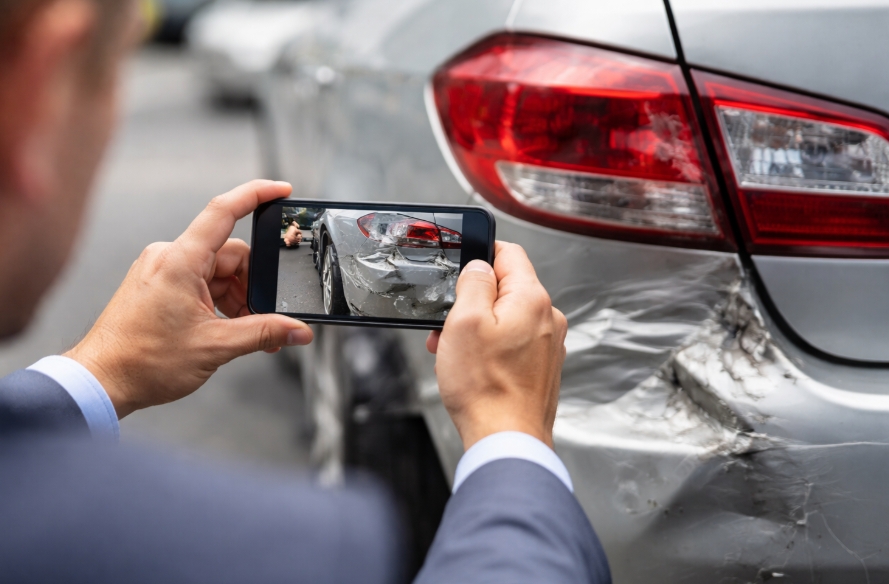
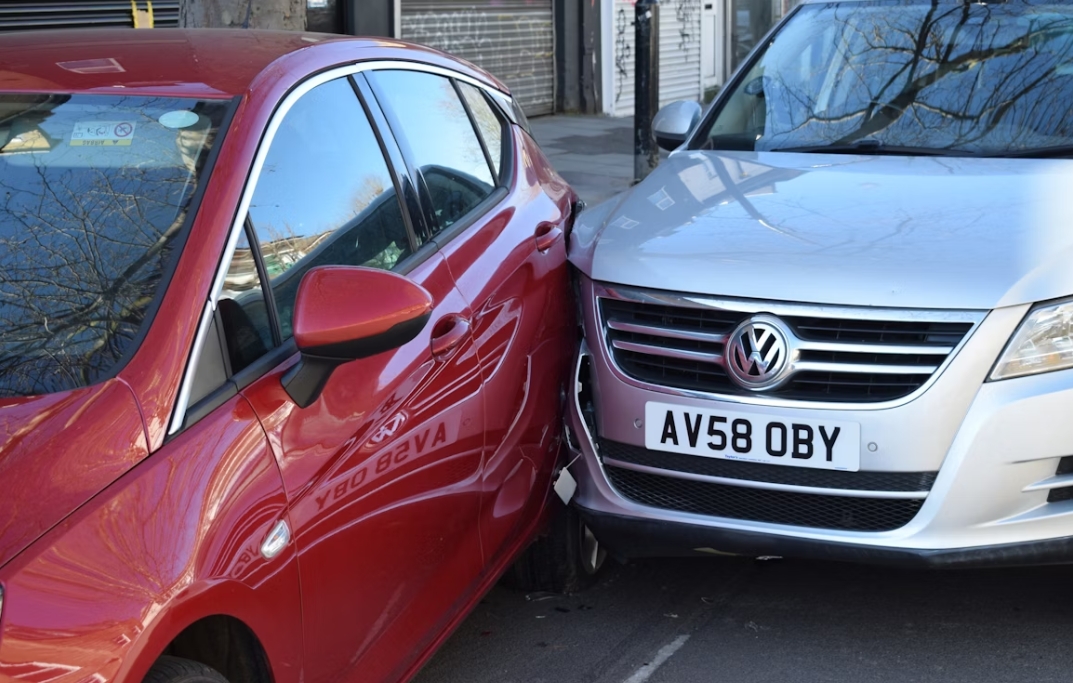
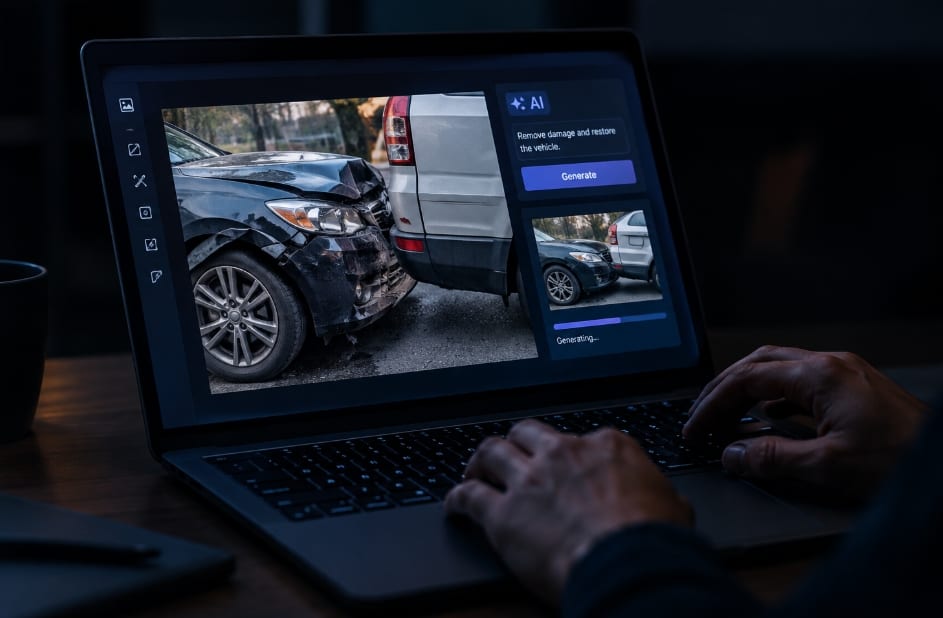
- Damage photos: AI can exaggerate or fabricate vehicle damage in claim photos.
- Receipts and documents: AI can fabricate documents to support false claims.
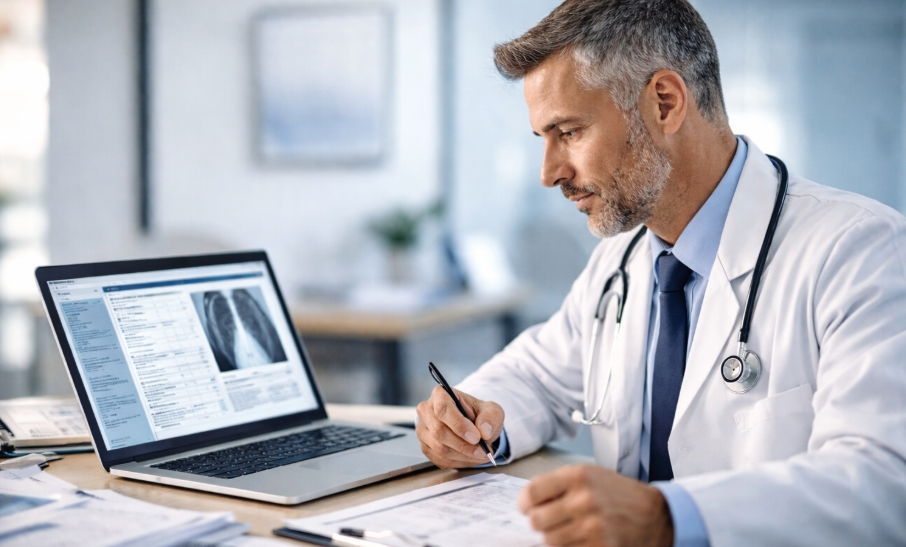
- Medical records: AI can generate fake medical records that appear legitimate.
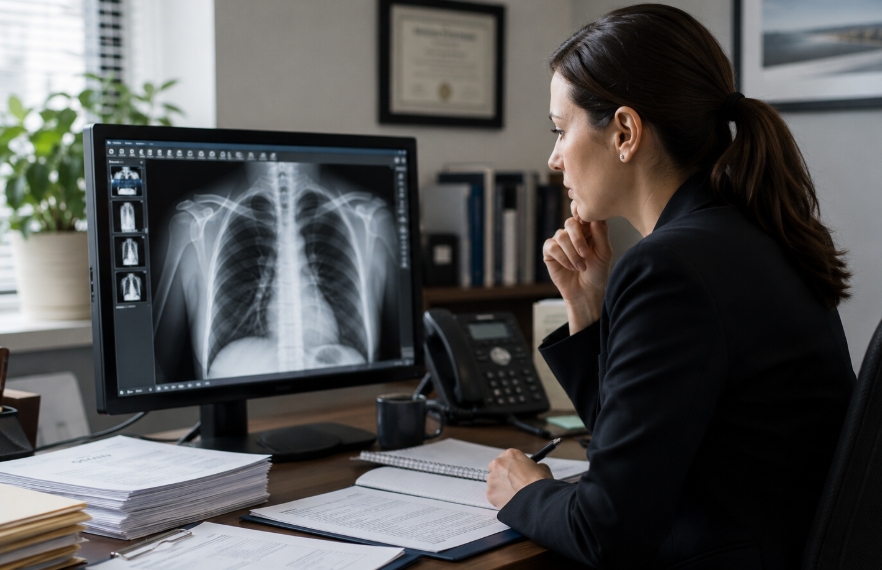
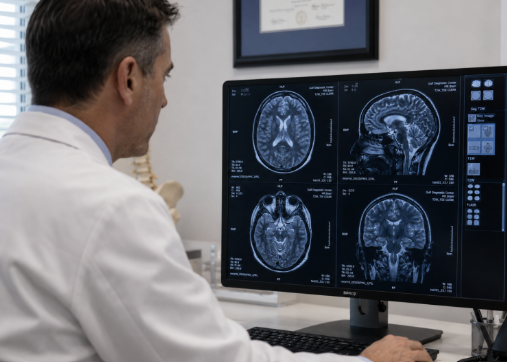
- Medical imaging: AI can generate medical images that appear authentic. A March 2026 study published in Radiology found that only 41% of 17 radiologists spontaneously identified AI-generated X-rays when they did not know fake images were included.
- Video: AI can create videos that misrepresent a person’s appearance, actions, or statements. According to an ACFE and SAS survey, 77% of respondents reported an increase in deepfake social engineering, highlighting a broader concern about AI-enabled deception.
How Can Claims Professionals Verify Digital Evidence?
Claims professionals should verify suspicious files through technical review and independent confirmation. Technical analysis can identify warning signs, while outside sources can help establish whether the information is accurate.
Review the Original File
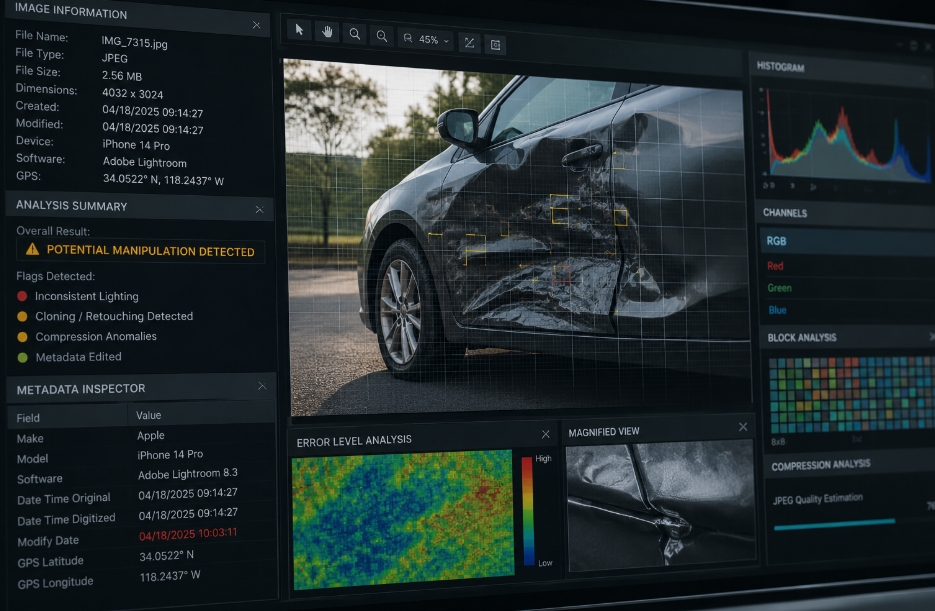
Request the original photo or document rather than a screenshot or forwarded copy. Review available metadata, file history, lighting, shadows, reflections, and text for inconsistencies. These details can help identify potential issues, but they cannot confirm fraud on their own.
The National Institute of Standards and Technology (NIST) warns that metadata can be altered or removed when files are shared. Missing metadata does not automatically mean a file has been manipulated.
Verify Receipts and Invoices with the Issuing Business
Contact the business using independently verified contact information, not just the phone number listed on the submitted document. Confirm the transaction, amount, and date against the business’s records.
Confirm Medical Records with the Provider
Contact the treating provider or records custodian to verify that submitted records match the provider’s documentation and dates of service. Follow applicable HIPAA requirements, state law, and authorization rules. For workers’ compensation claims, HIPAA permits certain disclosures for workers’ compensation purposes, subject to applicable limits.
Request New Photos or a Live Inspection
When a damage photo raises questions, request new images from multiple angles. A reference object can help establish the size of the damage. A live video inspection can also allow an adjuster to direct what is photographed.
Why Do Claims Investigations Matter?
Claims investigations help establish the facts when digital evidence raises questions. The right investigative method depends on the type of evidence and the facts that still need to be verified.
- Recorded statements and interviews: Compare statements with document dates, timelines, witness accounts, and physical evidence. An inconsistency may result from a memory error or misunderstanding, so it should be evaluated in context.
- Inspections and field investigations: Physical findings can help confirm or contradict information in a claim. For example, in an £80,000 Allianz UK claim involving alleged kitchen water damage, investigators uncovered fake repair invoices and spotted inconsistencies in the photos, including distorted reflections and water ripples. A field investigation confirmed that the kitchen had never flooded.
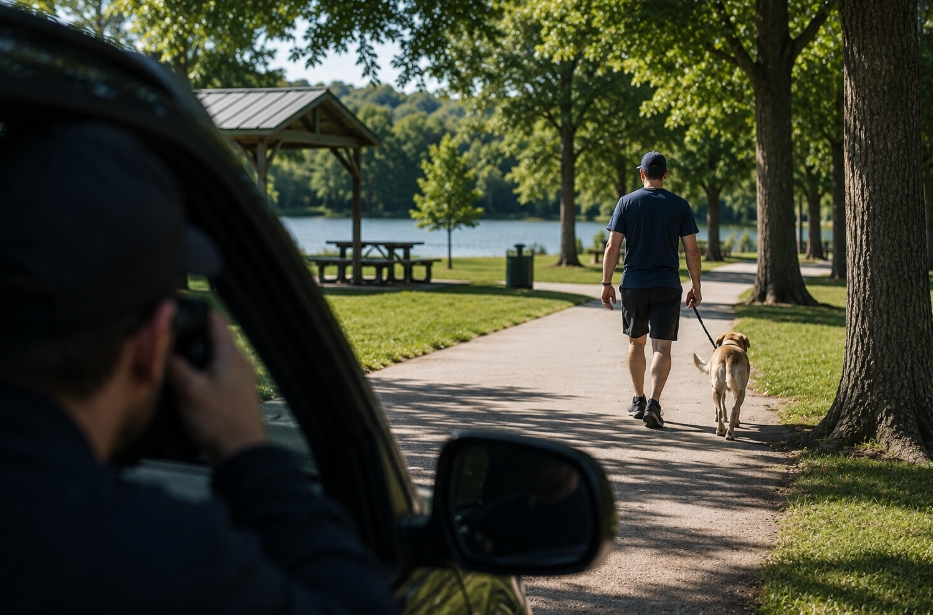
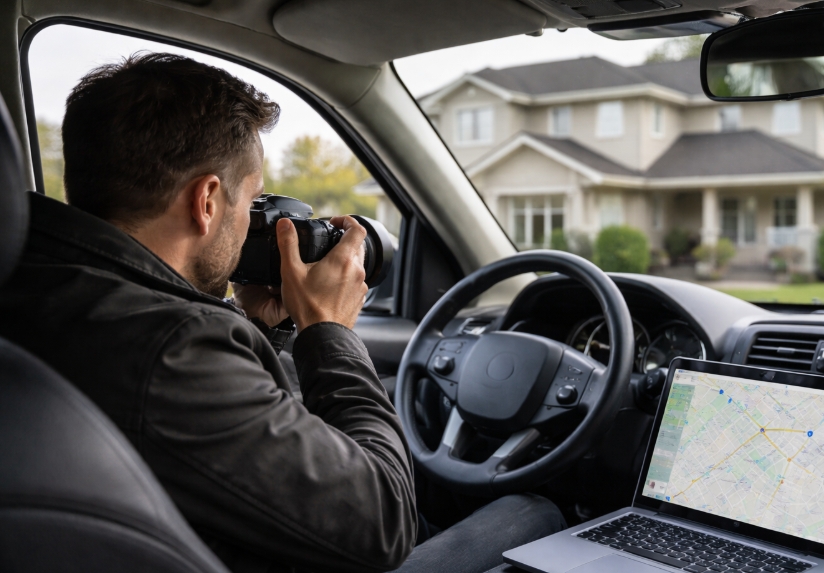
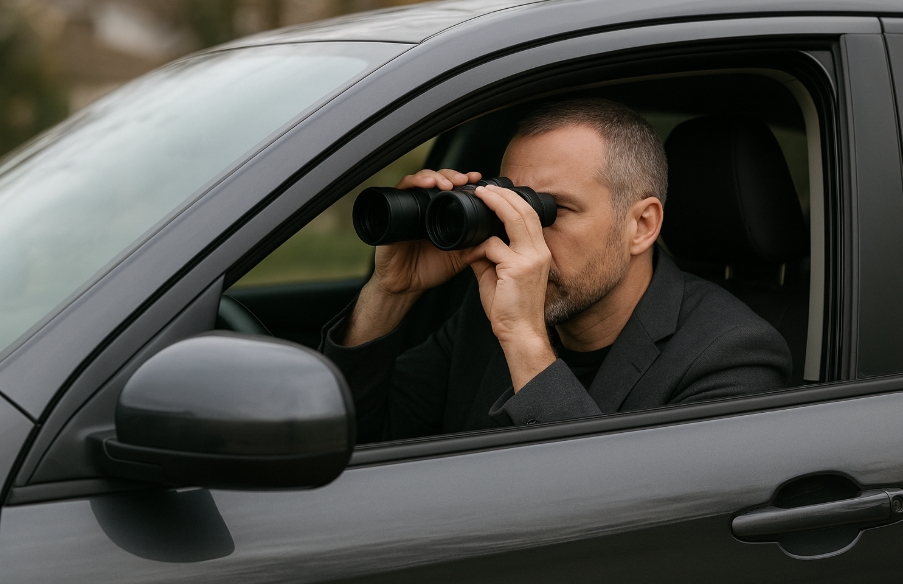
- Surveillance: Lawfully obtained observations can help determine whether a person’s activities are consistent with reported limitations. Investigators must interpret observations in context.
- Digital investigations and open-source intelligence (OSINT): OSINT involves reviewing publicly available online information. Earlier photos of a vehicle or property may help establish its condition before a reported incident.
Each method addresses a different question. Comparing digital evidence with independently gathered facts gives claims professionals a stronger basis for evaluating discrepancies.
What are the Limits of AI Detection Tools?
AI-detection software can flag potentially altered evidence, but it cannot confirm fraud on its own. In a NIST report, studies found that image detectors achieved only 50% to 70% accuracy on images from unfamiliar AI generators.
These limitations make independent verification essential. Detection tools can identify files that need closer review, but confirming the facts requires checking original records, contacting independent sources, and comparing the evidence with physical findings and claim details.
What Should Claims Teams Do When Evidence Looks Suspicious?
Claims teams should follow a consistent process when digital evidence raises concerns. A documented review helps distinguish potential manipulation from legitimate discrepancies.
- Identify the concern. Document the specific inconsistency or reason for further review.
- Preserve the evidence. Retain the original file and related documentation when available.
- Review the file. Examine available metadata and other technical details without treating them as conclusive.
- Verify the source. Contact the issuing business, medical provider, or another independent source as appropriate.
- Compare the findings. Evaluate the evidence against the rest of the claim file, including statements, timelines, and physical findings.
- Document and escalate. Record the verification steps and follow the appropriate claims or Special Investigations Unit (SIU) procedures.
A discrepancy is a reason to investigate, not proof of intentional fraud. As Debevoise & Plimpton cautions, insurers must also avoid responses that unnecessarily delay or wrongly deny legitimate claims.
The Bottom Line
AI makes it easier to alter digital evidence, but it does not make that evidence impossible to verify. Technical analysis can identify warning signs, while independent confirmation and investigative findings help establish the facts. Claims professionals should evaluate suspicious evidence against verified facts before making a decision.
Suspect AI-altered evidence in a claim? We offer a full suite of investigative services to help verify facts, uncover inconsistencies, and support informed claims decisions. Connect with our team to learn more.
Sources:
- Allianz UK. “Posting car pics fuels fraud warns Allianz UK.” June 5, 2026.
- Becker’s Payer Issues (Elizabeth Casolo). “Fabricated medical records may be the real AI fraud threat: Highmark BCBS exec.” May 4, 2026.
- Debevoise & Plimpton (Chandrasekhar, Gesser, Juergens). “Use of AI-Generated Images for Fake Insurance Claims and Other Frauds.” January 20, 2026.
- National Institute of Standards and Technology. NIST AI 100-4: Reducing Risks Posed by Synthetic Content. November 2024.
- Radiological Society of North America. “Deepfake X-Rays Fool Radiologists and AI.” Press release on Tordjman et al., Radiology, March 24, 2026.
- SAS and Association of Certified Fraud Examiners. “Study: Deepfake fraud surges – and only 7% of organizations are firmly ready” (on the 2026 Anti-Fraud Technology Benchmarking Report). Press release, March 25, 2026.
- U.S. Department of Health and Human Services. “Disclosures for Workers’ Compensation Purposes” (45 CFR 164.512(l)). Guidance page.